English
- English
- Español
- Português
- русский
- Français
- 日本語
- Deutsch
- tiếng Việt
- Italiano
- Nederlands
- ภาษาไทย
- Polski
- 한국어
- Svenska
- magyar
- Malay
- বাংলা ভাষার
- Dansk
- Suomi
- हिन्दी
- Pilipino
- Türkçe
- Gaeilge
- العربية
- Indonesia
- Norsk
- تمل
- český
- ελληνικά
- український
- Javanese
- فارسی
- தமிழ்
- తెలుగు
- नेपाली
- Burmese
- български
- ລາວ
- Latine
- Қазақша
- Euskal
- Azərbaycan
- Slovenský jazyk
- Македонски
- Lietuvos
- Eesti Keel
- Română
- Slovenski
- मराठी
- Srpski језик

How Does a Parallel Operation Transformer Improve Power System Reliability and Efficiency?
Article Summary
A stable and efficient power supply is essential for modern industries, commercial facilities, and large-scale energy systems. As electricity demand continues to increase, traditional single-transformer solutions may face challenges such as limited capacity, maintenance difficulties, and reduced operational flexibility. A Parallel Operation Transformer provides an effective solution by allowing multiple transformers to work together within the same power network, improving load distribution, system reliability, and energy efficiency.
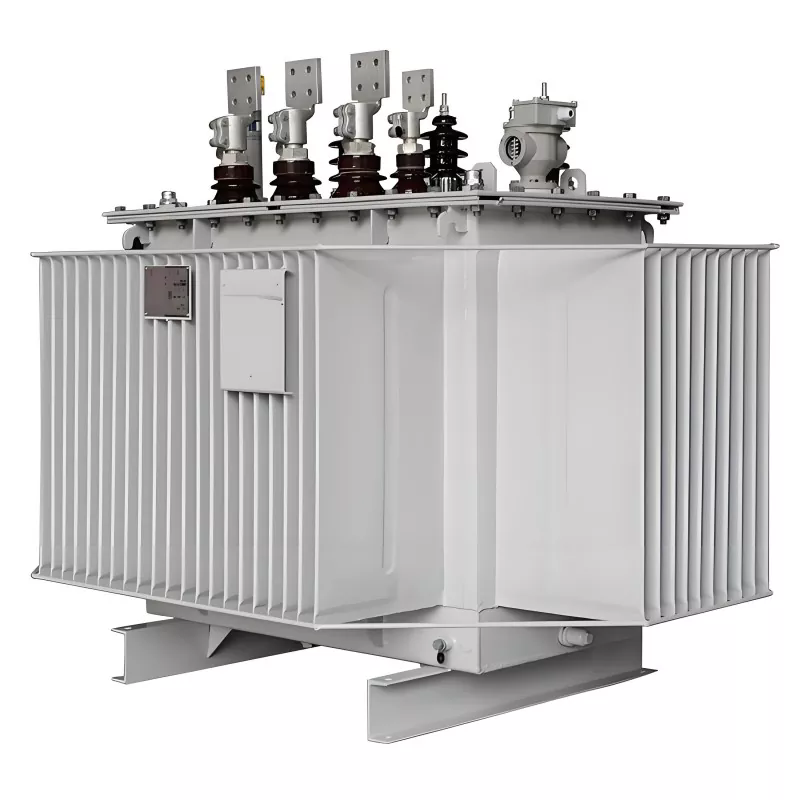
This article explains how Parallel Operation Transformers work, why businesses need them, what technical factors should be considered before installation, and how they help solve common power management challenges. With professional manufacturing experience, Zhejiang Guangbian Electric Power Technology Co., Ltd. provides reliable transformer solutions designed to meet diverse industrial and power distribution requirements.
Table of Contents
- 1. What Is a Parallel Operation Transformer?
- 2. How Does a Parallel Operation Transformer Work?
- 3. What Problems Can Parallel Operation Transformers Solve?
- 4. What Factors Should Be Considered Before Parallel Operation?
- 5. Where Are Parallel Operation Transformers Used?
- 6. Comparison Between Single Transformer Operation and Parallel Operation
- 7. How to Maintain Parallel Operation Transformers?
- 8. Frequently Asked Questions
Article Outline
- Understanding the basic concept and operation principle of Parallel Operation Transformers
- Analyzing the benefits of transformer parallel operation for modern power systems
- Exploring installation requirements and technical considerations
- Understanding industrial applications and maintenance methods
- Answering common questions about transformer parallel operation
1. What Is a Parallel Operation Transformer?
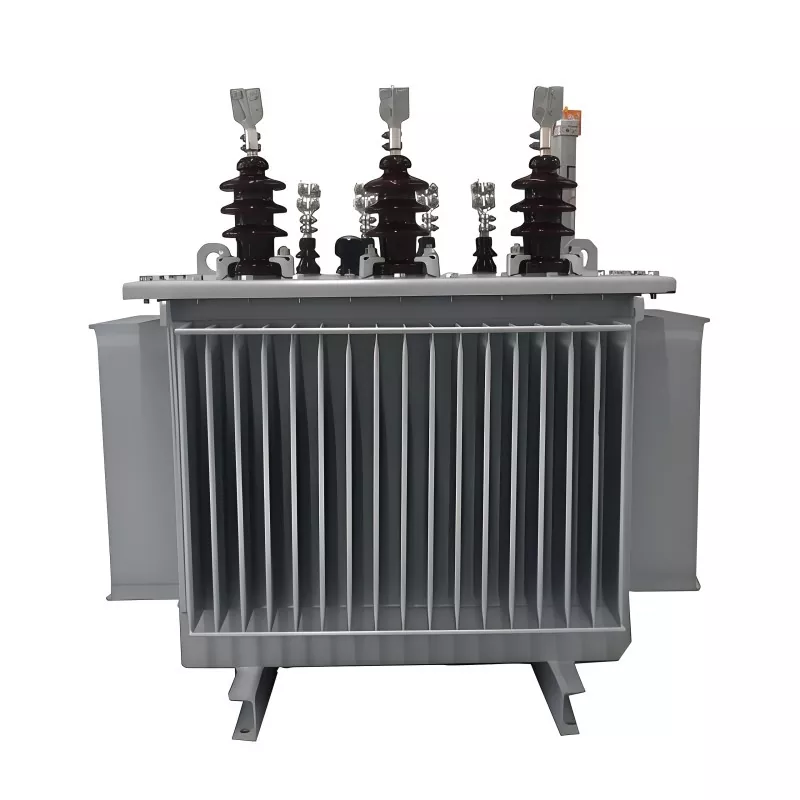
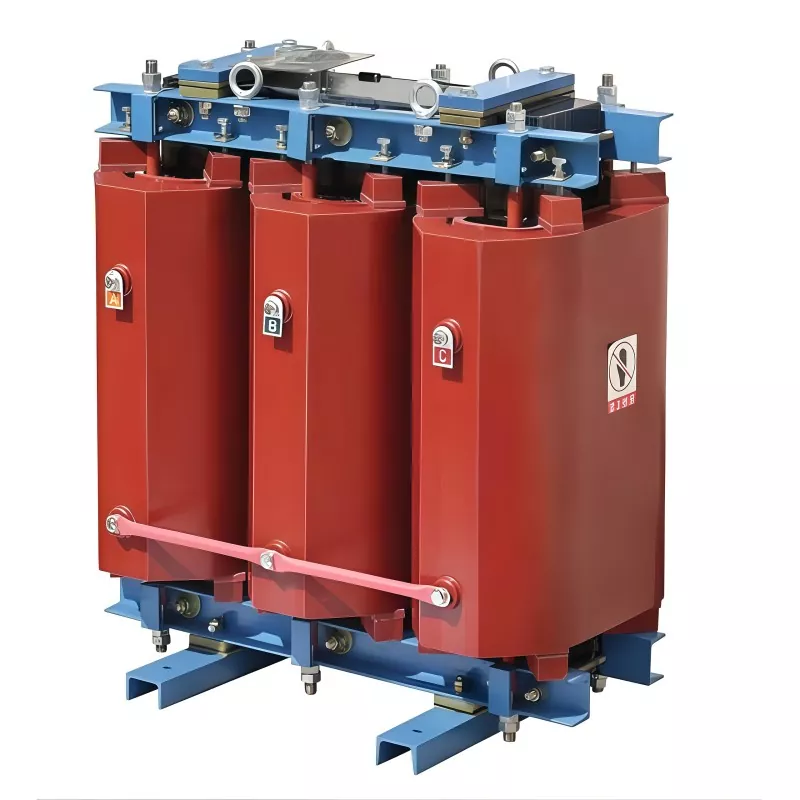
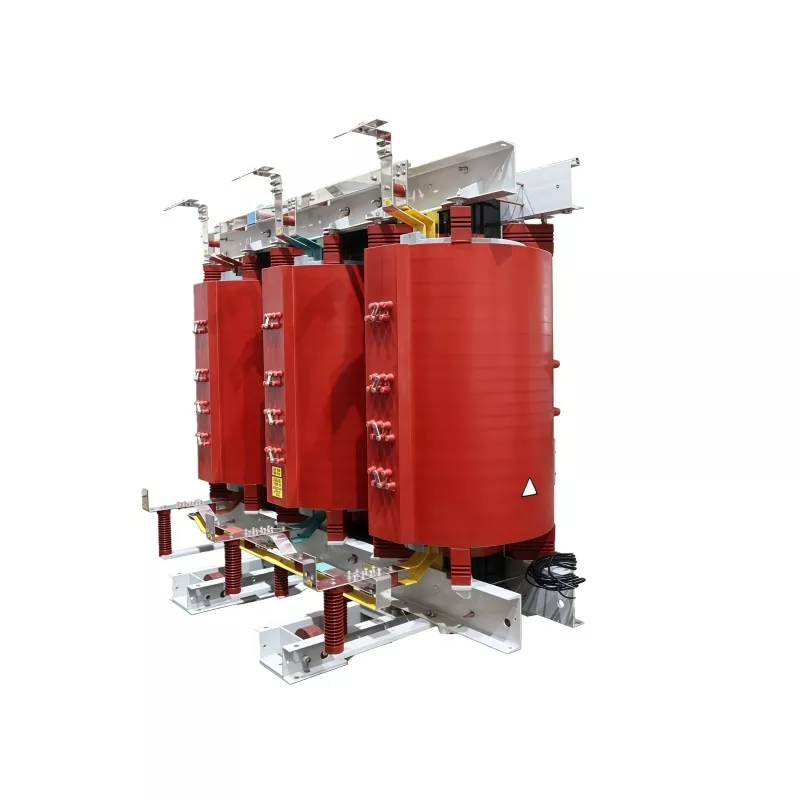
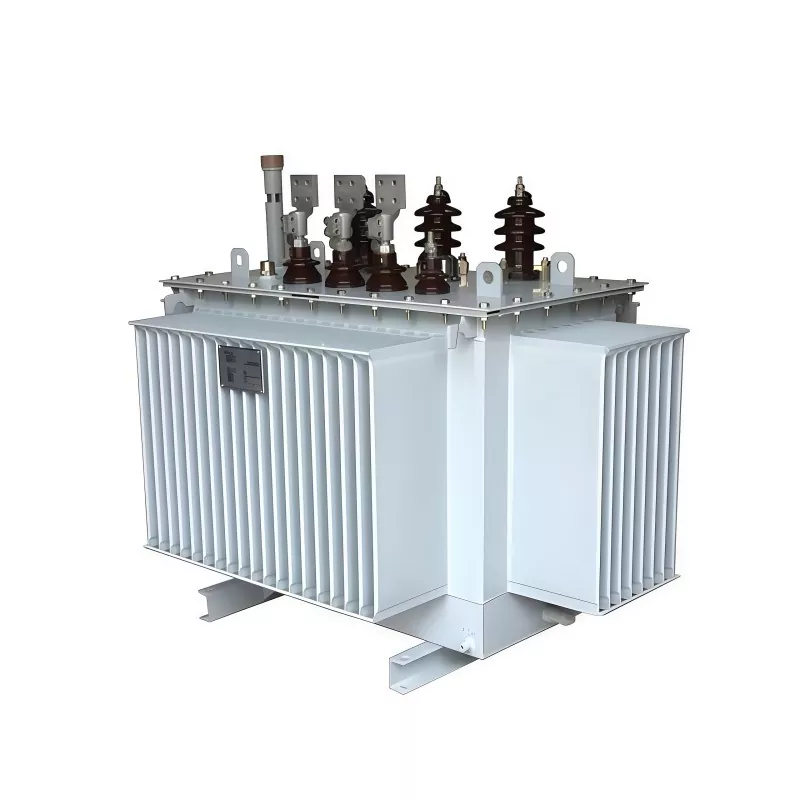
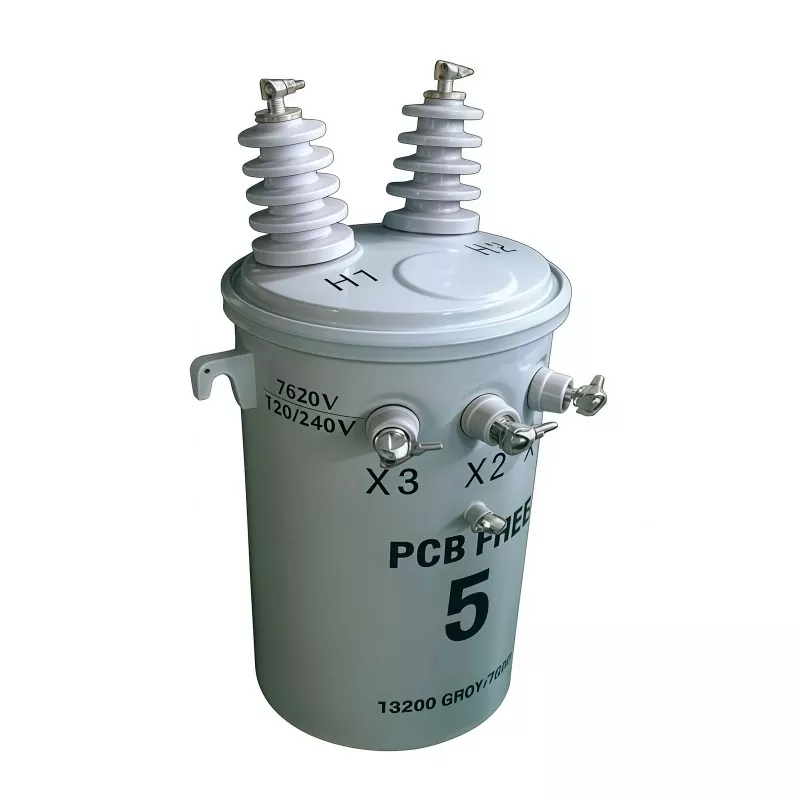
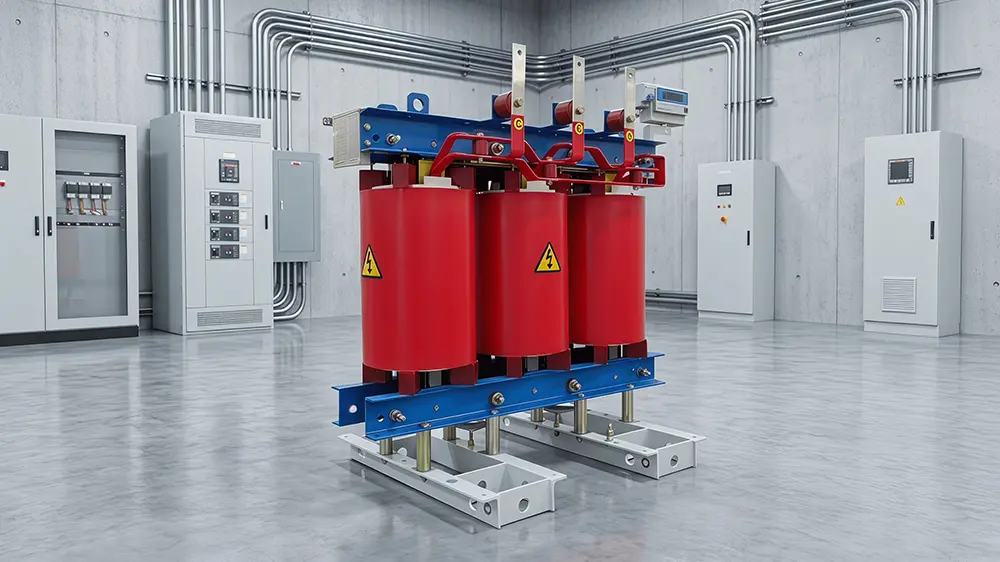
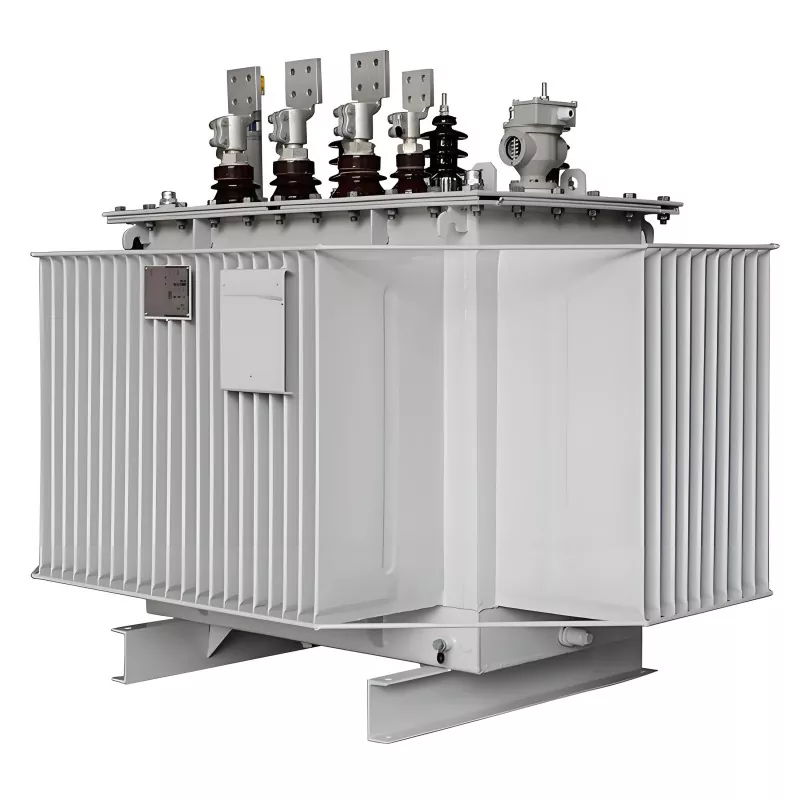
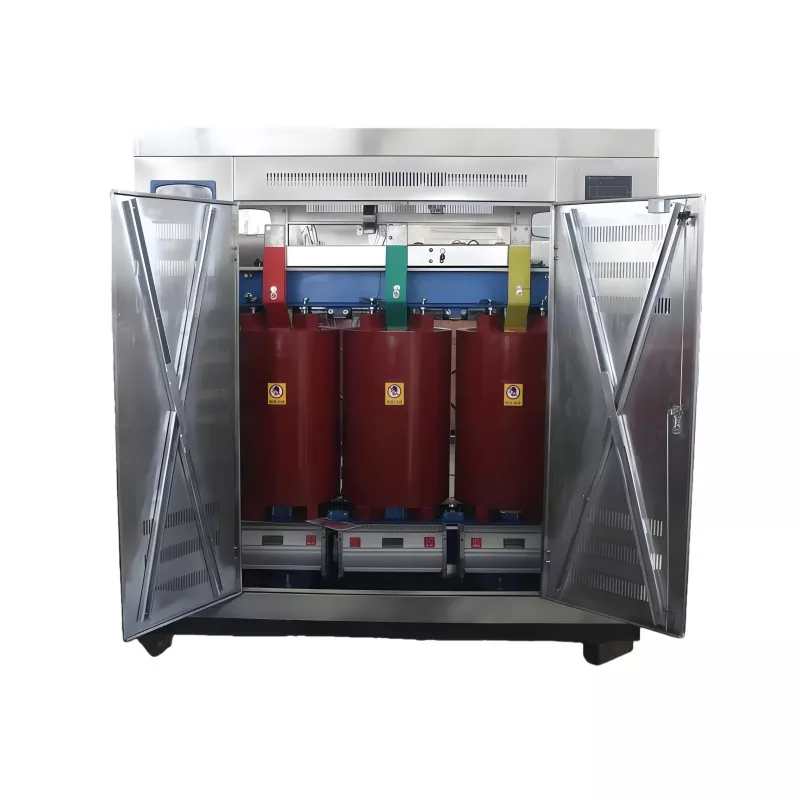
A Parallel Operation Transformer refers to a power transformer system where two or more transformers are connected and operated together on the same electrical network. Instead of relying on a single transformer to handle the entire power demand, multiple transformers share the electrical load, creating a more flexible and dependable power supply structure.
In many industrial and commercial environments, electricity requirements are constantly changing. A single transformer may operate inefficiently when the load fluctuates or may cause significant downtime if maintenance is required. Parallel operation provides an alternative approach by allowing transformers to distribute power demand according to system requirements.
The main purpose of transformer parallel operation is to enhance capacity, improve operational continuity, and provide better control over power distribution. When properly designed and installed, multiple transformers can operate together safely while maintaining stable voltage output.
2. How Does a Parallel Operation Transformer Work?
The working principle of a Parallel Operation Transformer is based on connecting multiple transformers to the same primary and secondary bus systems. These transformers operate simultaneously and share the total electrical load.
However, successful parallel operation requires accurate technical matching between transformers. If transformers have incompatible electrical characteristics, problems such as circulating currents, uneven load distribution, and excessive losses may occur.
The key conditions required for parallel operation include:
| Technical Requirement | Importance |
|---|---|
| Same voltage ratio | Ensures transformers provide the same output voltage and prevents unwanted current flow. |
| Compatible impedance values | Allows transformers to share loads evenly and operate efficiently. |
| Same phase sequence | Prevents electrical faults caused by incorrect phase connections. |
| Matching vector group | Maintains proper phase relationship between transformers. |
| Similar capacity rating | Improves load balance and operational stability. |
When these conditions are satisfied, transformers can work together as one coordinated power supply unit, improving the overall performance of the electrical system.
3. What Problems Can Parallel Operation Transformers Solve?
Many industries face challenges related to power reliability, increasing electricity demand, and equipment maintenance. Parallel Operation Transformers provide practical solutions to these issues.
1. Improved Power Supply Reliability
One of the biggest advantages of parallel transformer operation is improved system reliability. If one transformer requires inspection or maintenance, other transformers can continue supplying power, reducing downtime and preventing production interruptions.
2. Increased Power Capacity
As businesses expand, their electricity requirements often increase. Installing additional transformers in parallel allows companies to increase power capacity without completely replacing existing infrastructure.
3. Better Load Management
Power demand is not always constant. During periods of low demand, some transformers can be switched off while others continue operating, improving energy efficiency and reducing unnecessary losses.
4. Flexible Future Expansion
Parallel transformer systems provide greater flexibility for future upgrades. Companies can add additional transformer units when their electrical requirements grow.
- Reduces risks caused by single-point transformer failure
- Supports increasing industrial electricity consumption
- Improves maintenance flexibility
- Enhances long-term power system stability
4. What Factors Should Be Considered Before Parallel Operation?
Although parallel operation offers many advantages, proper planning is necessary to ensure safe and efficient performance. Several technical factors should be evaluated before connecting transformers together.
| Factor | Explanation |
|---|---|
| Transformer specifications | Transformers should have compatible ratings, voltage levels, and electrical parameters. |
| Load characteristics | The expected power demand should be analyzed to determine the required transformer capacity. |
| Protection system | Relay protection and monitoring equipment should be configured correctly. |
| Installation environment | Temperature, humidity, and operating conditions can affect transformer performance. |
| Professional commissioning | Testing and adjustment are necessary before putting the system into operation. |
Working with an experienced transformer manufacturer helps ensure that all design and installation requirements are properly addressed.
5. Where Are Parallel Operation Transformers Used?
Parallel Operation Transformers are widely used in industries and facilities where continuous power supply is critical. Their flexible design makes them suitable for various applications.
- Industrial manufacturing plants: Provide stable power for production equipment and automation systems.
- Power distribution networks: Improve grid reliability and supply capacity.
- Commercial buildings: Support elevators, lighting systems, HVAC equipment, and daily operations.
- Data centers: Ensure uninterrupted power for critical servers and infrastructure.
- Renewable energy projects: Help manage fluctuating energy output.
For companies requiring dependable transformer solutions, Zhejiang Guangbian Electric Power Technology Co., Ltd. develops transformer products that support different power system requirements with reliable performance and professional engineering services.
6. Comparison Between Single Transformer Operation and Parallel Operation
| Item | Single Transformer System | Parallel Operation Transformer System |
|---|---|---|
| Power capacity | Limited by one transformer rating | Can be increased by adding transformer units |
| Reliability | Higher risk during equipment failure | Improved backup capability |
| Maintenance | May require complete shutdown | Allows maintenance with reduced interruption |
| Load flexibility | Less adaptable to changing demand | Better load adjustment capability |
| Future expansion | Requires major system modification | Easier capacity expansion |
7. How to Maintain Parallel Operation Transformers?
Regular maintenance is essential for ensuring long service life and stable operation. A proper maintenance program can identify potential issues before they become serious failures.
- Regularly inspect transformer temperature and operating conditions.
- Check insulation performance and electrical connections.
- Monitor load distribution between parallel transformers.
- Perform routine testing of protection systems.
- Inspect cooling systems and transformer accessories.
- Record operational data for performance analysis.
Preventive maintenance not only improves transformer reliability but also reduces unexpected repair costs and extends equipment service life.
8. Frequently Asked Questions
Q1: Why should transformers operate in parallel?
Parallel operation allows multiple transformers to share electrical loads, increase system capacity, and improve power supply reliability.
Q2: Can any transformers operate in parallel?
No. Transformers must meet specific compatibility requirements, including voltage ratio, impedance, phase sequence, and vector group.
Q3: What happens if transformers are not properly matched?
Incorrect matching may cause circulating currents, uneven load sharing, overheating, and reduced system efficiency.
Q4: Are Parallel Operation Transformers suitable for industrial applications?
Yes. They are widely used in manufacturing facilities, power stations, commercial buildings, and other applications requiring reliable electricity.
Q5: How can companies choose the right Parallel Operation Transformer?
Companies should evaluate power requirements, operating conditions, future expansion plans, and work with experienced transformer manufacturers for professional guidance.
Conclusion
A Parallel Operation Transformer provides a reliable and flexible solution for modern power systems facing increasing electricity demands and higher reliability requirements. By allowing multiple transformers to work together, businesses can achieve improved capacity, better load management, reduced downtime, and easier future expansion.
Choosing the right transformer design and manufacturer is essential for achieving safe and efficient operation. Zhejiang Guangbian Electric Power Technology Co., Ltd. is committed to providing high-quality transformer solutions that support stable power distribution across different industries. For professional transformer solutions and customized requirements, please contact us.
Related News
- How Can a 50KVA Dry Type Isolation Transformer with MCCB Improve Electrical Safety and Power Reliability
- Why Is a 50KVA Dry Type Isolation Transformer with MCCB a Smarter Choice for Reliable Power Protection
- How Can a 37.5KVA Pole-Mounted Transformer Improve Reliable Power Distribution
- How Can a 150KVA Dry Type Isolation Transformer Improve Safe and Flexible Power Distribution
- Why Is a 37.5KVA Pole-Mounted Transformer a Smart Choice for Reliable Overhead Power Distribution
- How Can a 167KVA Pole-Mounted Transformer Deliver More Reliable and Cost-Effective Power Distribution
Leave me a message