English
- English
- Español
- Português
- русский
- Français
- 日本語
- Deutsch
- tiếng Việt
- Italiano
- Nederlands
- ภาษาไทย
- Polski
- 한국어
- Svenska
- magyar
- Malay
- বাংলা ভাষার
- Dansk
- Suomi
- हिन्दी
- Pilipino
- Türkçe
- Gaeilge
- العربية
- Indonesia
- Norsk
- تمل
- český
- ελληνικά
- український
- Javanese
- فارسی
- தமிழ்
- తెలుగు
- नेपाली
- Burmese
- български
- ລາວ
- Latine
- Қазақша
- Euskal
- Azərbaycan
- Slovenský jazyk
- Македонски
- Lietuvos
- Eesti Keel
- Română
- Slovenski
- मराठी
- Srpski језик

How Do Parallel Operation Transformers Work?
Abstract: Parallel operation transformers are essential for modern power systems that demand high reliability, flexibility, and efficiency. This article explores the working principles, benefits, common challenges, and best practices for implementing parallel transformers in industrial and commercial applications.
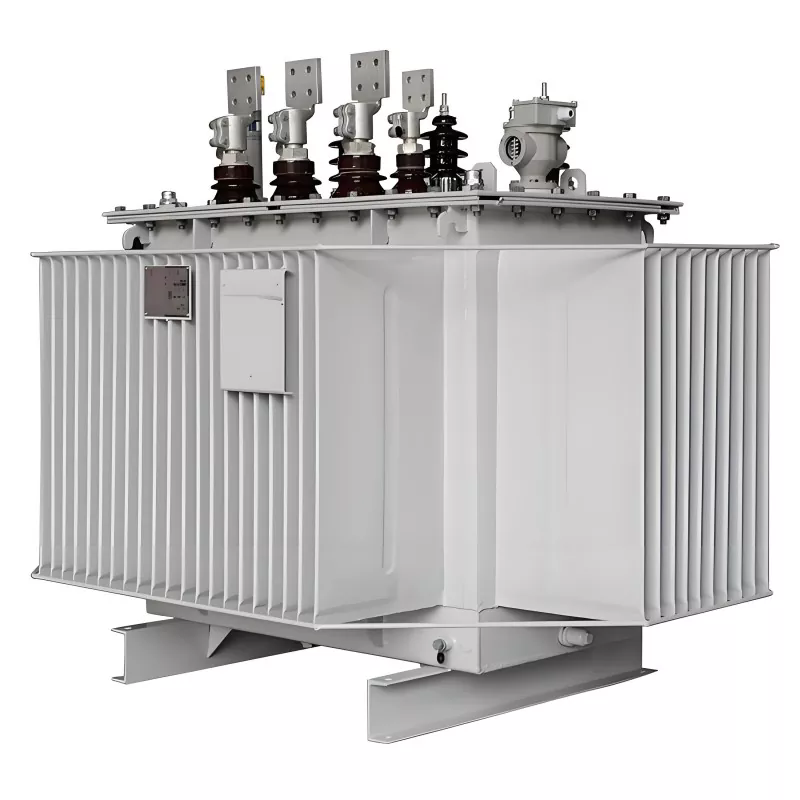
Table of Contents
- Introduction
- Working Principle of Parallel Operation Transformers
- Benefits of Parallel Operation
- Common Challenges
- Installation and Best Practices
- Frequently Asked Questions
- Conclusion
Introduction
Transformers play a critical role in the transmission and distribution of electrical energy. In many industrial and commercial setups, a single transformer may not be sufficient to handle the load or provide redundancy. This is where parallel operation transformers come into play. By connecting two or more transformers in parallel, facilities can achieve higher reliability, maintain continuous operation during maintenance, and optimize load sharing efficiently.
Working Principle of Parallel Operation Transformers
Parallel operation requires careful coordination of transformers to ensure smooth load sharing and system stability. The key principles include:
- Voltage Matching: All transformers must operate at the same voltage level to avoid circulating currents.
- Impedance Matching: Transformers with similar per-unit impedance ensure proportional load sharing.
- Phase Sequence: Correct phase alignment is crucial to prevent short circuits or unbalanced loads.
- Load Distribution: Each transformer handles a portion of the total load based on its capacity and impedance.
| Parameter | Requirement | Impact on Operation |
|---|---|---|
| Voltage Rating | Must be identical | Prevents circulating currents and overloading |
| Impedance | Within ±10% of each other | Ensures proportional load sharing |
| Phase Sequence | Must match | Prevents short circuits |
| Load Capacity | Based on individual transformer rating | Prevents overloading |
Benefits of Parallel Operation
- Reliability: If one transformer fails, others continue supplying power without interruption.
- Scalability: Additional transformers can be added to meet growing energy demands.
- Maintenance Flexibility: Individual units can be serviced without shutting down the entire system.
- Optimized Load Sharing: Transformers operate efficiently by distributing load according to capacity.
Common Challenges
Despite their advantages, parallel operation transformers also come with certain challenges:
- Voltage Mismatch: Even small differences can lead to circulating currents and inefficiencies.
- Impedance Differences: Unequal impedances can cause uneven load distribution.
- Inrush Currents: When transformers are energized, large currents may flow, potentially damaging equipment.
- Protection Coordination: Careful design is needed to ensure protective devices operate correctly for all units.
Installation and Best Practices
Implementing parallel operation requires adherence to technical guidelines:
- Verify all transformers have identical voltage ratings and compatible impedance.
- Ensure phase sequence alignment before energizing parallel units.
- Use synchronized protection relays to manage load fluctuations and prevent faults.
- Regularly monitor transformer temperatures, oil levels, and load balance to maintain efficiency.
Frequently Asked Questions
Q1: Can transformers of different ratings operate in parallel?
Yes, but only if the per-unit impedances are proportionally adjusted to ensure proper load sharing. Mismatched ratings without impedance adjustment can lead to overloading of smaller units.
Q2: How many transformers can be connected in parallel?
Theoretically, multiple transformers can operate in parallel. Practically, system complexity and protection considerations usually limit the number to 2-4 units in commercial or industrial setups.
Q3: What is the main risk of parallel operation?
The main risks include circulating currents, unequal load sharing, and potential system instability if voltage, impedance, or phase sequence is not properly managed.
Q4: How is load sharing measured?
Load sharing is typically measured using real-time current and power monitoring devices. Each transformer's contribution is tracked and adjusted if necessary to maintain balance.
Conclusion
Parallel operation transformers provide a reliable, flexible, and scalable solution for modern electrical systems. By understanding their working principles, benefits, challenges, and best practices, facilities can maximize efficiency while minimizing risks. Proper installation, monitoring, and maintenance are crucial for ensuring optimal performance and long-term reliability.
For high-quality parallel operation transformers and professional consultation, Guangbian offers industry-leading solutions tailored to your needs. Contact us today to learn more about our products and services.
Related News
- How Can a 50KVA Dry Type Isolation Transformer with MCCB Improve Electrical Safety and Power Reliability
- Why Is a 50KVA Dry Type Isolation Transformer with MCCB a Smarter Choice for Reliable Power Protection
- How Can a 37.5KVA Pole-Mounted Transformer Improve Reliable Power Distribution
- How Can a 150KVA Dry Type Isolation Transformer Improve Safe and Flexible Power Distribution
- Why Is a 37.5KVA Pole-Mounted Transformer a Smart Choice for Reliable Overhead Power Distribution
- How Can a 167KVA Pole-Mounted Transformer Deliver More Reliable and Cost-Effective Power Distribution
Leave me a message