English
- English
- Español
- Português
- русский
- Français
- 日本語
- Deutsch
- tiếng Việt
- Italiano
- Nederlands
- ภาษาไทย
- Polski
- 한국어
- Svenska
- magyar
- Malay
- বাংলা ভাষার
- Dansk
- Suomi
- हिन्दी
- Pilipino
- Türkçe
- Gaeilge
- العربية
- Indonesia
- Norsk
- تمل
- český
- ελληνικά
- український
- Javanese
- فارسی
- தமிழ்
- తెలుగు
- नेपाली
- Burmese
- български
- ລາວ
- Latine
- Қазақша
- Euskal
- Azərbaycan
- Slovenský jazyk
- Македонски
- Lietuvos
- Eesti Keel
- Română
- Slovenski
- मराठी
- Srpski језик

Why Is a 37.5KVA Pole-Mounted Transformer a Smart Choice for Reliable Overhead Power Distribution
Guangbian offers the 37.5KVA Pole-Mounted Transformer for reliable overhead power distribution in rural, commercial, agricultural, and light industrial applications. Designed for outdoor installation, this compact distribution solution helps step down medium-voltage electricity efficiently while reducing the need for valuable ground-level infrastructure.
A 37.5KVA Pole-Mounted Transformer is an important component in overhead electrical distribution systems where stable voltage conversion, efficient use of installation space, and dependable outdoor operation are required. With an appropriate capacity for moderate power loads, this type of transformer can serve residential areas, farms, small commercial facilities, workshops, and rural electrification projects. This article explains how the transformer works, where it can be used, what technical factors buyers should evaluate, and why selecting a suitable manufacturer can make a significant difference in long-term power distribution performance.
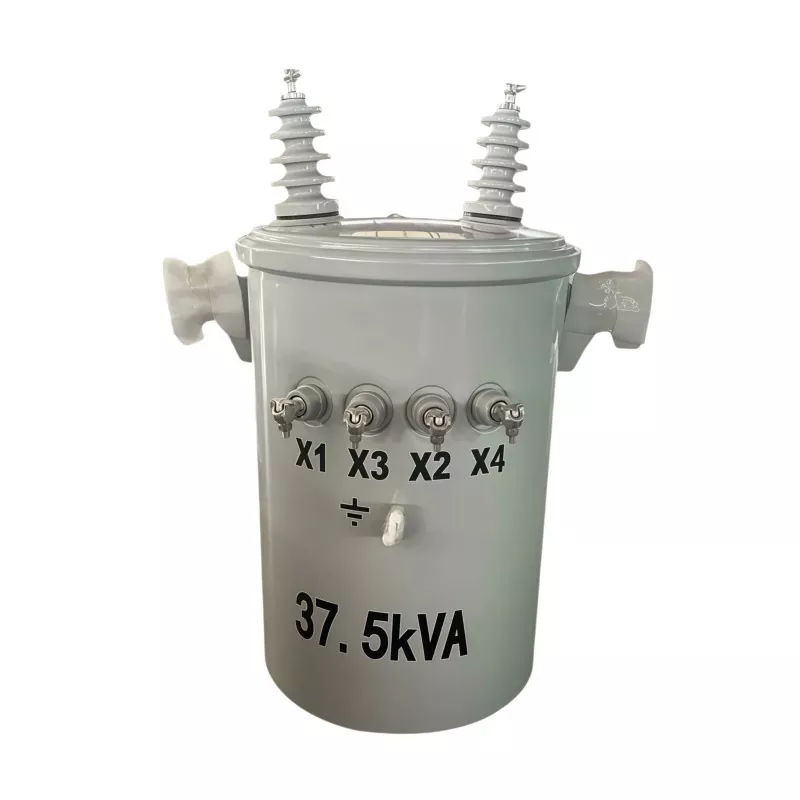
Table of Contents
What Is a 37.5KVA Pole-Mounted Transformer?
How Does a Pole-Mounted Transformer Work?
Main Applications and Use Scenarios
Key Technical Features to Consider
Manufacturing and Quality Control
Major Benefits for Power Distribution Projects
How to Select the Right Transformer
Find the Right Power Distribution Solution
What Is a 37.5KVA Pole-Mounted Transformer?
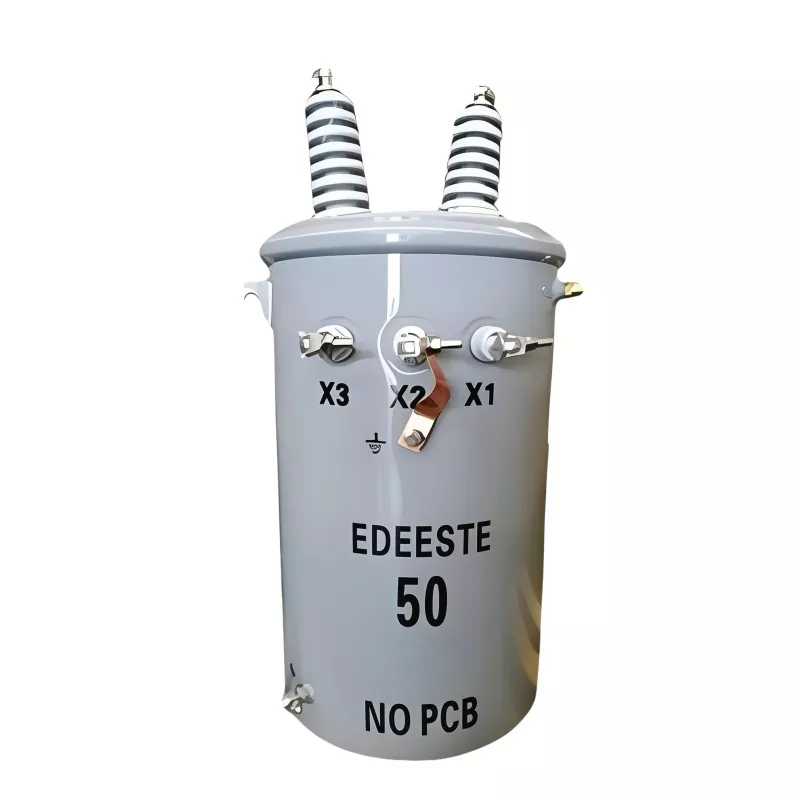
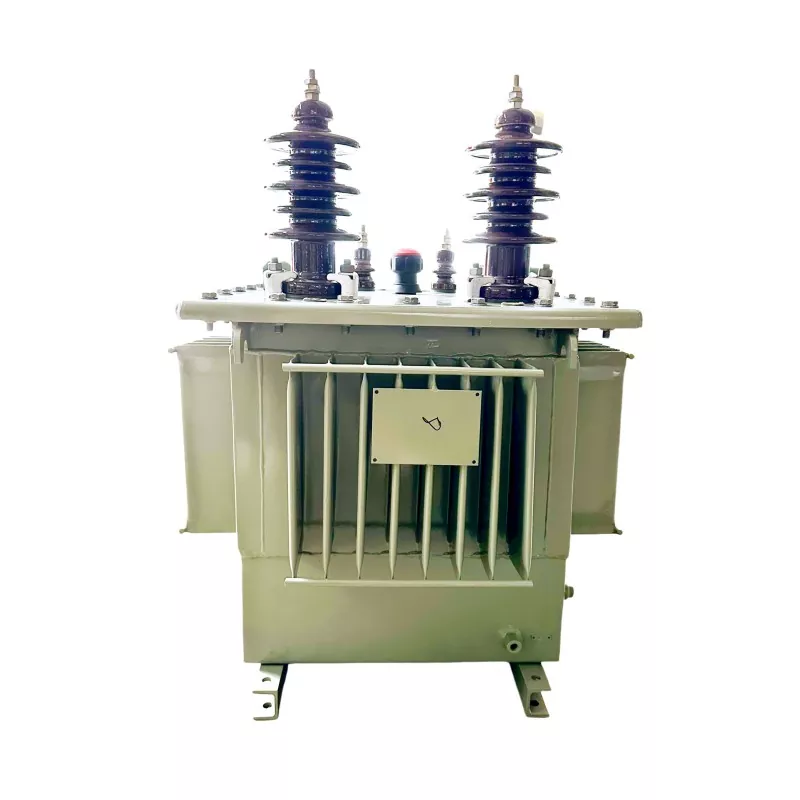
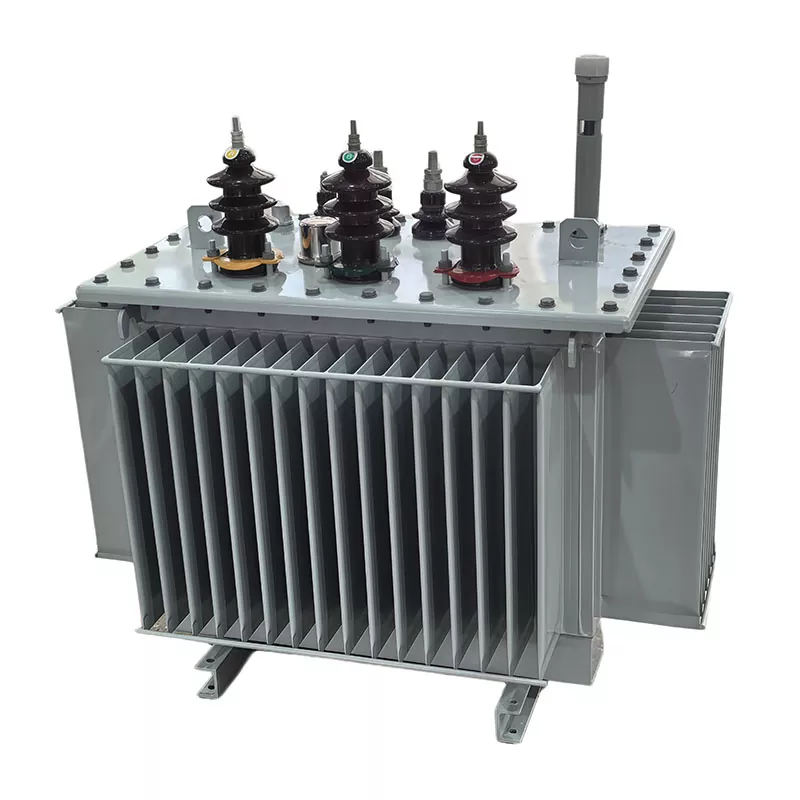
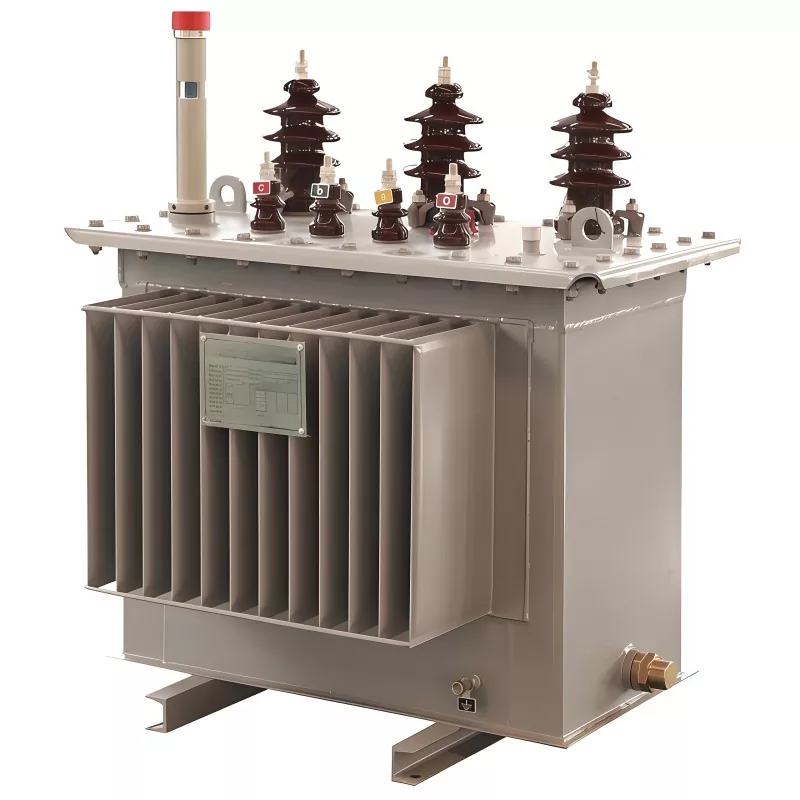
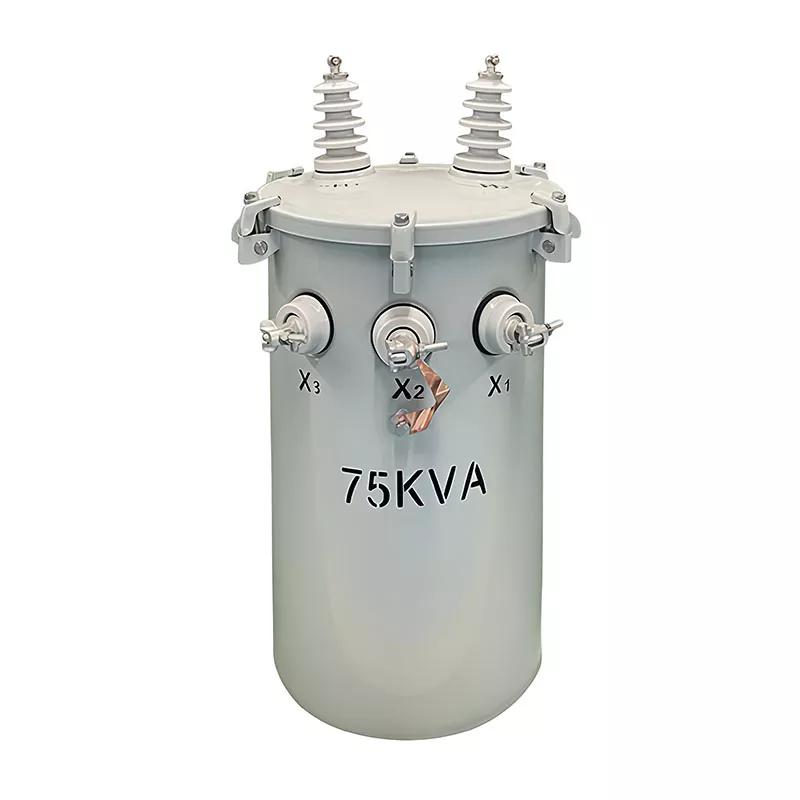
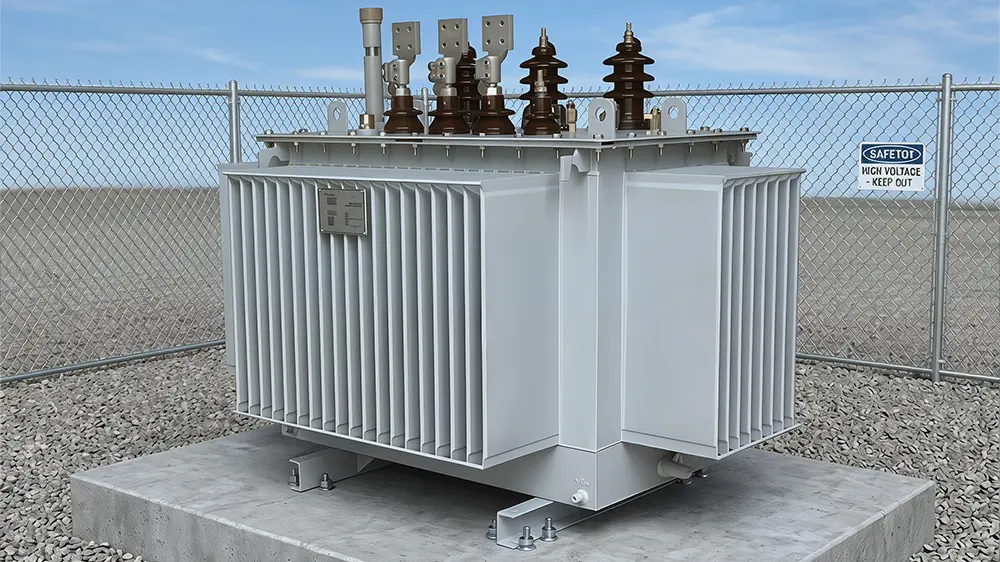
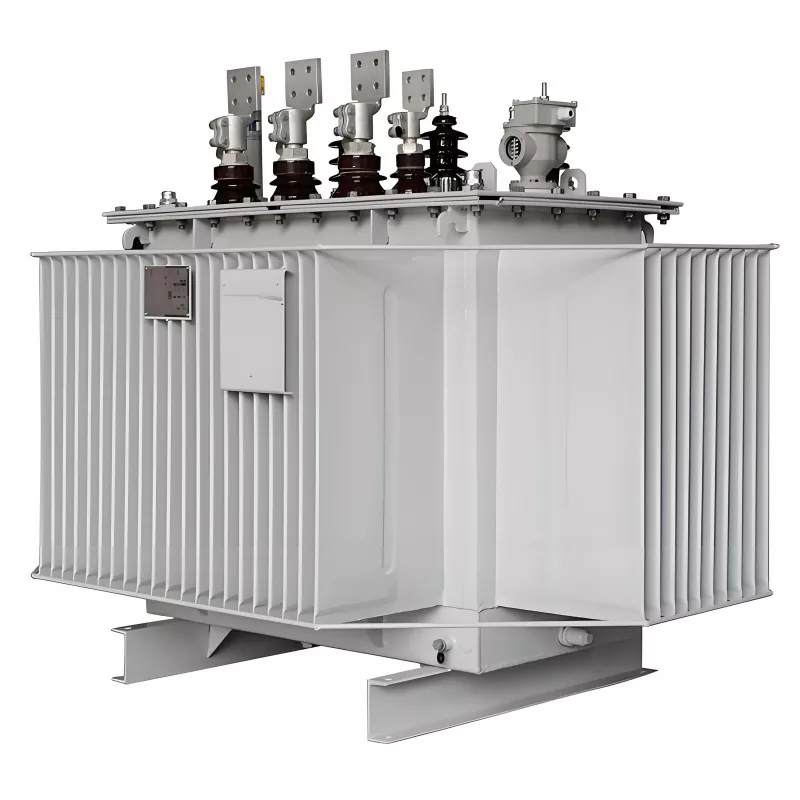
A 37.5KVA Pole-Mounted Transformer is an electrical distribution transformer installed directly on a utility pole or supporting overhead structure. Its primary purpose is to reduce medium-voltage electricity from the distribution network to a lower voltage suitable for end users and connected equipment.
The 37.5KVA rating refers to the apparent power capacity of the transformer. This capacity is suitable for locations with moderate electricity demand, especially where a large ground-mounted transformer or dedicated substation would be unnecessary or impractical.
Because the transformer is mounted above ground, it can make effective use of existing overhead distribution infrastructure. This installation method is commonly considered for rural communities, agricultural facilities, residential areas, roadside commercial locations, and other projects where available ground space is limited.
For buyers planning an overhead power project, choosing the correct transformer capacity is essential. A transformer that is too small may operate under excessive load, while an oversized unit may increase unnecessary investment and energy losses. Load calculations, voltage requirements, and future power demand should therefore be evaluated before final selection.
How Does a Pole-Mounted Transformer Work?
The operating principle of a pole-mounted transformer is based on electromagnetic induction. Electrical energy is transferred between windings through a magnetic field rather than through a direct electrical connection.
1. High-Voltage Power Enters the Primary Winding
Electricity from the overhead distribution line enters the primary winding of the transformer. The incoming voltage is typically higher than the voltage required by homes, equipment, or other local electrical loads.
2. The Transformer Core Transfers Magnetic Energy
Alternating current flowing through the primary winding creates a changing magnetic field inside the transformer core. The core provides a controlled path for magnetic energy and plays an important role in overall efficiency and electrical performance.
3. The Secondary Winding Produces a Lower Voltage
The changing magnetic field induces voltage in the secondary winding. By using a suitable winding ratio, the transformer reduces the incoming voltage to the level required by the local distribution system.
4. Power Is Supplied to End Users
After voltage conversion, the electricity can be distributed to connected loads such as homes, agricultural equipment, lighting systems, commercial facilities, or light industrial machinery.
This simple but highly effective process allows a pole-mounted transformer to serve as an important connection point between the medium-voltage distribution network and the low-voltage power requirements of local users.
Main Applications and Use Scenarios
The versatility of a 37.5KVA transformer makes it suitable for a range of distribution environments. The final application should always be determined according to actual load requirements, network voltage, environmental conditions, and local electrical standards.
| Application Area | Typical Electrical Demand | Key Advantage |
|---|---|---|
| Residential Areas | Lighting and household equipment | Efficient local voltage distribution |
| Rural Electrification | Community and village power supply | Works well with overhead networks |
| Agricultural Facilities | Pumps, lighting, and farm equipment | Suitable for dispersed outdoor loads |
| Small Commercial Sites | Shops, offices, and service facilities | Compact installation footprint |
| Light Industrial Areas | Motors and production equipment | Localized power distribution |
| Temporary Power Projects | Construction and engineering loads | Compatible with overhead infrastructure |
For rural and remote projects, a pole-mounted configuration can be particularly practical because overhead electrical networks can extend over long distances without requiring a separate transformer building at every distribution point.
Key Technical Features to Consider
When evaluating a transformer, buyers should look beyond the rated KVA capacity. Electrical performance, insulation design, winding quality, heat management, installation conditions, and testing procedures all influence long-term reliability.
- Rated Capacity: 37.5KVA for moderate electrical distribution requirements.
- Voltage Configuration: Primary and secondary voltages should match the local power network.
- Frequency: The transformer should be designed for the required 50Hz or 60Hz electrical system.
- Winding Material: Copper windings are commonly selected for their conductivity and thermal performance.
- Insulation System: Proper insulation helps maintain safe operation under electrical and environmental stress.
- Cooling Method: Oil-filled designs use insulating oil to support cooling and electrical insulation.
- Temperature Rise: Thermal performance should be considered for continuous operation.
- Outdoor Protection: Tank construction and surface protection are important for long-term outdoor use.
A buyer should also confirm whether the transformer needs additional features based on the installation environment. Coastal areas, high-humidity regions, high-altitude locations, and heavily polluted industrial environments may require different design considerations.
Manufacturing and Quality Control
The reliability of a distribution transformer depends heavily on the consistency of its manufacturing process. From raw material selection to final electrical testing, every stage can influence operational stability and service life.
Transformer Core Processing
The magnetic core is an important part of the transformer because it affects energy losses and efficiency. High-quality electrical steel and controlled assembly can help reduce unnecessary magnetic losses during operation.
Precision Winding
During winding production, factors such as conductor positioning, insulation layers, winding tension, and electrical clearances must be carefully controlled. Proper winding construction helps improve electrical stability and resistance to mechanical stress.
Insulation and Assembly
After the core and windings are assembled, insulation components are positioned to maintain the required electrical separation between high-voltage and low-voltage sections. A properly designed insulation system is essential for stable long-term operation.
Oil Treatment and Tank Assembly
For oil-filled transformers, insulating oil must provide both electrical insulation and heat transfer. Proper oil treatment can help reduce moisture and gas content before the transformer is sealed.
Factory Testing
Before shipment, transformers should undergo appropriate quality and electrical tests according to the agreed technical requirements. Depending on the project specification, these tests may include winding resistance measurement, voltage testing, no-load testing, load testing, insulation evaluation, and other performance inspections.
Working with an experienced transformer manufacturer can help buyers communicate technical requirements clearly and reduce the risk of receiving equipment that does not match the intended electrical system.
Major Benefits for Power Distribution Projects
Efficient Use of Installation Space
One of the most significant advantages of a pole-mounted transformer is that it does not occupy valuable ground-level space. This can be useful in rural areas, roadside installations, and locations with limited available land.
Suitable for Overhead Distribution Networks
The transformer can be integrated into an existing overhead power system, making it a practical choice for projects where electrical lines are already supported by poles.
Supports Localized Power Distribution
Instead of transmitting low-voltage electricity over long distances, voltage conversion can take place closer to the point of consumption. This approach can support more efficient local distribution when properly engineered.
Reduced Civil Construction Requirements
Compared with certain ground-level transformer installations, a pole-mounted configuration may reduce the need for dedicated transformer rooms or large ground foundations, depending on the project design.
Flexible Application Potential
The 37.5KVA capacity can support multiple moderate-load applications. It can be considered for residential, agricultural, commercial, and light industrial environments when the calculated load requirements are appropriate.
How to Select the Right Transformer for Your Project
Before purchasing a transformer, it is important to provide the manufacturer or supplier with complete project information. The following factors can help ensure that the selected unit matches the actual application.
-
Calculate the Actual Electrical Load
Review current demand and expected future expansion. -
Confirm the Primary Voltage
The high-voltage side must match the available distribution network. -
Specify the Required Secondary Voltage
The output voltage should match local equipment and end-user requirements. -
Check the Frequency
Confirm whether the project operates at 50Hz or 60Hz. -
Determine the Phase Configuration
Select the appropriate single-phase or three-phase design based on the electrical system. -
Evaluate Environmental Conditions
Consider temperature, humidity, altitude, pollution, wind exposure, and corrosion risks. -
Review Applicable Standards
Confirm the required utility, national, or project-specific standards before production begins. -
Request Clear Technical Documentation
Specifications, drawings, nameplate information, and testing requirements should be confirmed before shipment.
For international projects, early communication is especially important. Voltage standards, installation practices, connection requirements, and certification expectations can vary between countries and regions.
Frequently Asked Questions
What does 37.5KVA mean in a transformer?
37.5KVA represents the rated apparent power capacity of the transformer. It indicates the amount of electrical load the transformer is designed to support under specified operating conditions.
Where can a 37.5KVA Pole-Mounted Transformer be installed?
It can be used in suitable overhead distribution systems serving residential areas, farms, rural communities, small commercial facilities, and light industrial applications. The final installation must comply with local electrical regulations and engineering requirements.
How do I know whether 37.5KVA is the right capacity?
You should calculate the expected electrical load, consider power factor and peak demand, and allow for reasonable future expansion. A qualified electrical engineer or experienced transformer supplier can help confirm the appropriate capacity.
Can the voltage configuration be customized?
Transformer voltage requirements may vary depending on the local grid and application. Buyers should provide the required primary voltage, secondary voltage, frequency, and phase configuration when requesting a quotation.
Why is factory testing important?
Factory testing helps verify that the transformer meets the agreed electrical and performance requirements before shipment. Testing can identify potential issues related to insulation, winding resistance, voltage performance, and other critical characteristics.
Find the Right Power Distribution Solution for Your Project
A properly selected 37.5KVA Pole-Mounted Transformer can provide a practical and reliable solution for moderate-load overhead power distribution. From voltage configuration and capacity selection to outdoor installation and quality testing, every detail should be matched to the requirements of your project. If you are looking for a dependable transformer solution from Guangbian, explore the available 37.5KVA Pole-Mounted Transformer options and contact us today with your voltage requirements, frequency, phase configuration, quantity, and project details to receive professional product recommendations and a suitable quotation.
Related News
- How Can a 50KVA Dry Type Isolation Transformer with MCCB Improve Electrical Safety and Power Reliability
- Why Is a 50KVA Dry Type Isolation Transformer with MCCB a Smarter Choice for Reliable Power Protection
- How Can a 37.5KVA Pole-Mounted Transformer Improve Reliable Power Distribution
- How Can a 150KVA Dry Type Isolation Transformer Improve Safe and Flexible Power Distribution
- How Can a 167KVA Pole-Mounted Transformer Deliver More Reliable and Cost-Effective Power Distribution
- Why Is a 167KVA Pole-Mounted Transformer a Smart Choice for Modern Distribution Networks
Leave me a message