English
- English
- Español
- Português
- русский
- Français
- 日本語
- Deutsch
- tiếng Việt
- Italiano
- Nederlands
- ภาษาไทย
- Polski
- 한국어
- Svenska
- magyar
- Malay
- বাংলা ভাষার
- Dansk
- Suomi
- हिन्दी
- Pilipino
- Türkçe
- Gaeilge
- العربية
- Indonesia
- Norsk
- تمل
- český
- ελληνικά
- український
- Javanese
- فارسی
- தமிழ்
- తెలుగు
- नेपाली
- Burmese
- български
- ລາວ
- Latine
- Қазақша
- Euskal
- Azərbaycan
- Slovenský jazyk
- Македонски
- Lietuvos
- Eesti Keel
- Română
- Slovenski
- मराठी
- Srpski језик

How Can a 37.5KVA Pole-Mounted Transformer Improve Reliable Power Distribution
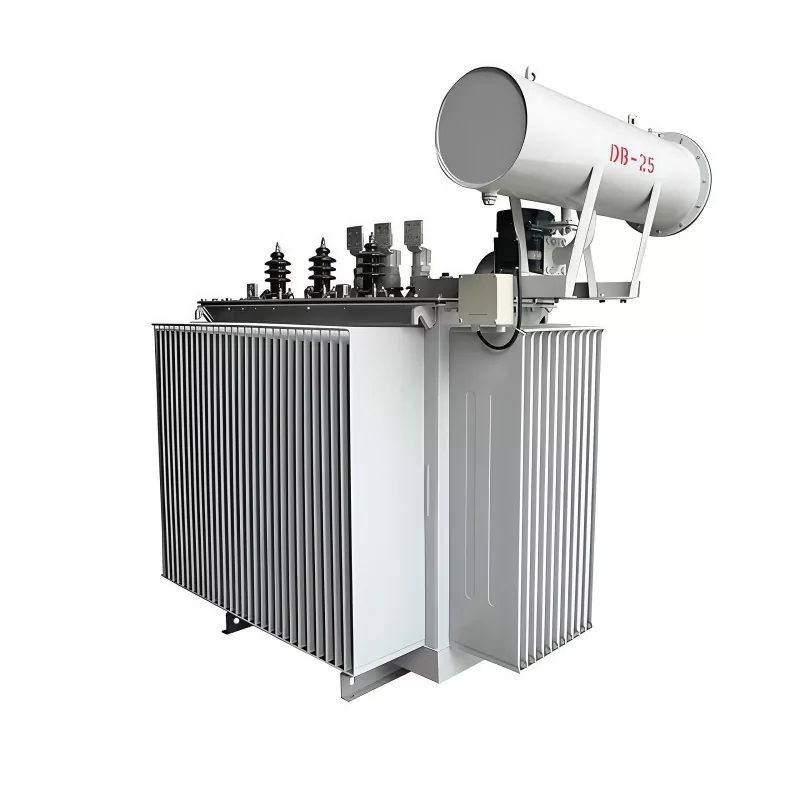
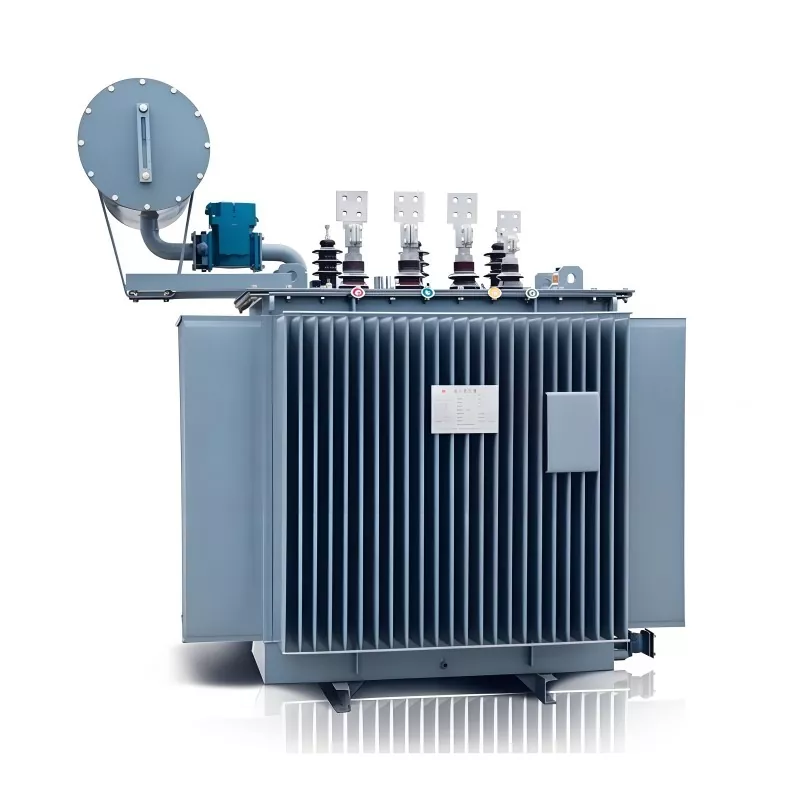
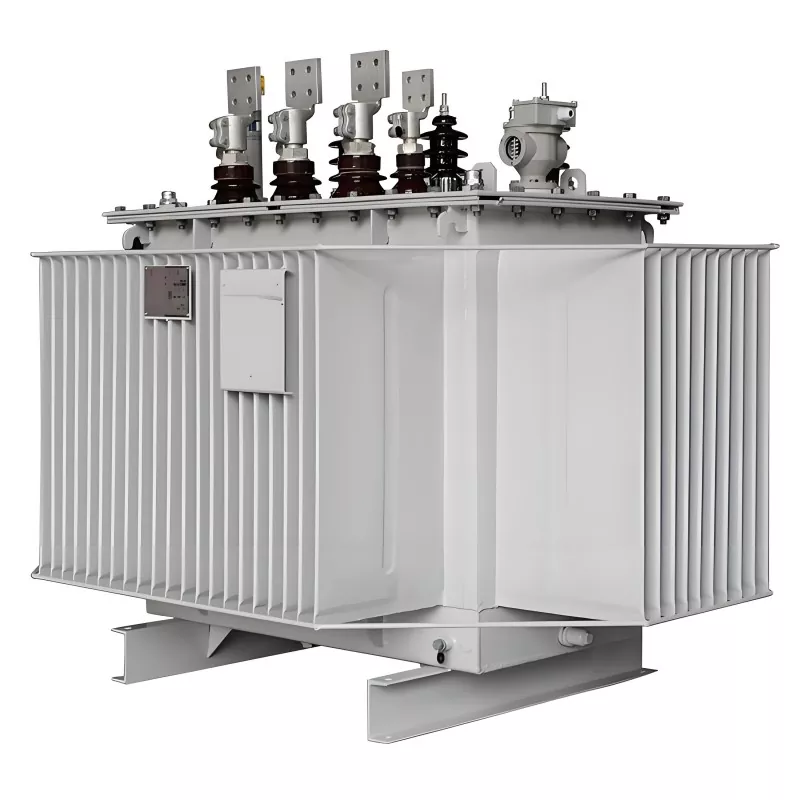
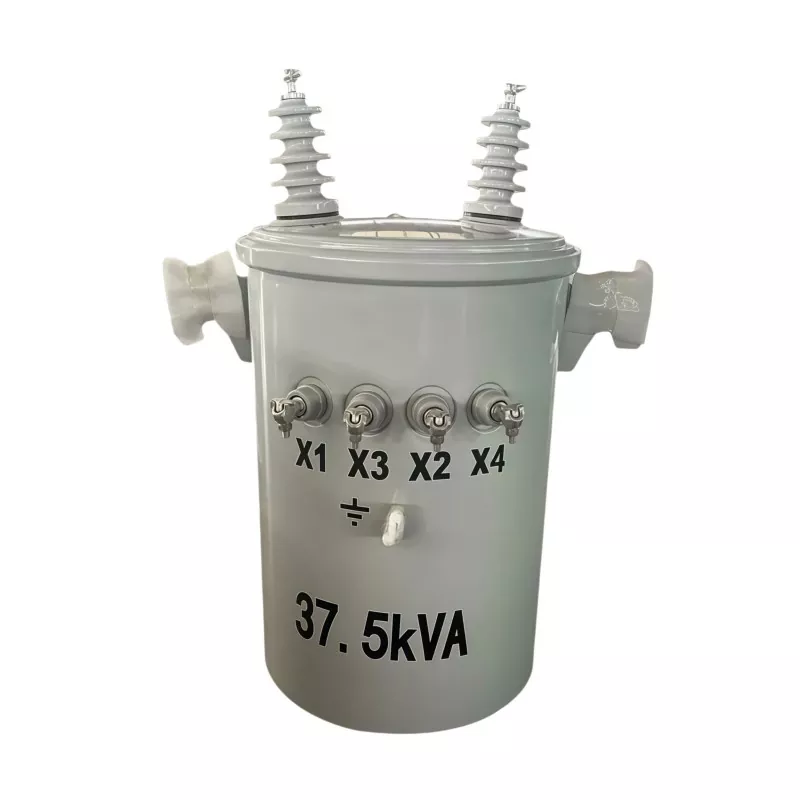
Guangbian supplies the 37.5KVA Pole-Mounted Transformer for overhead distribution systems serving residential, agricultural, commercial, and light industrial loads. Designed for practical outdoor deployment, this transformer combines compact pole-mounted installation, copper windings, oil insulation, controlled manufacturing, and factory testing to support stable medium-voltage-to-low-voltage power distribution.
A 37.5KVA pole-mounted transformer is a distribution transformer designed to reduce medium-voltage electricity from overhead lines to a lower voltage suitable for end users. Its 37.5KVA rated capacity makes it appropriate for relatively moderate electrical loads where a compact, elevated transformer installation is preferred. This article explains how the transformer works, where it is used, what technical factors influence performance, how it is manufactured and tested, and why pole-mounted installation can be practical for modern overhead distribution networks.
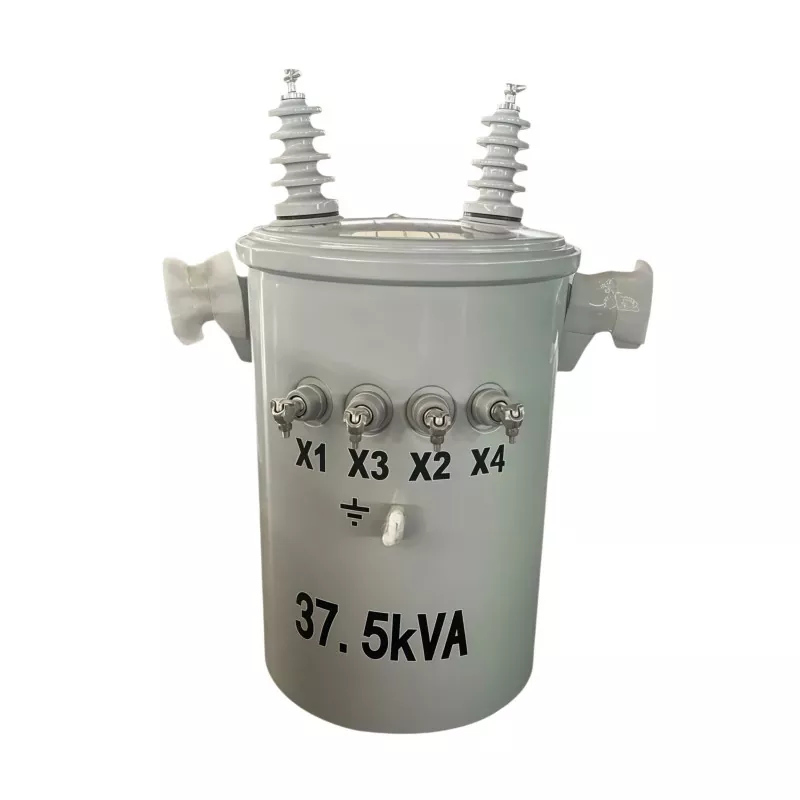
Table of Contents
What Is a 37.5KVA Pole-Mounted Transformer?
How Does a 37.5KVA Pole-Mounted Transformer Work?
Where Is a 37.5KVA Pole-Mounted Transformer Used?
How Is the Transformer Manufactured?
What Testing Should Buyers Consider?
Why Choose a Pole-Mounted Distribution Transformer?
How Should Buyers Select the Right Transformer?
What Is a 37.5KVA Pole-Mounted Transformer?
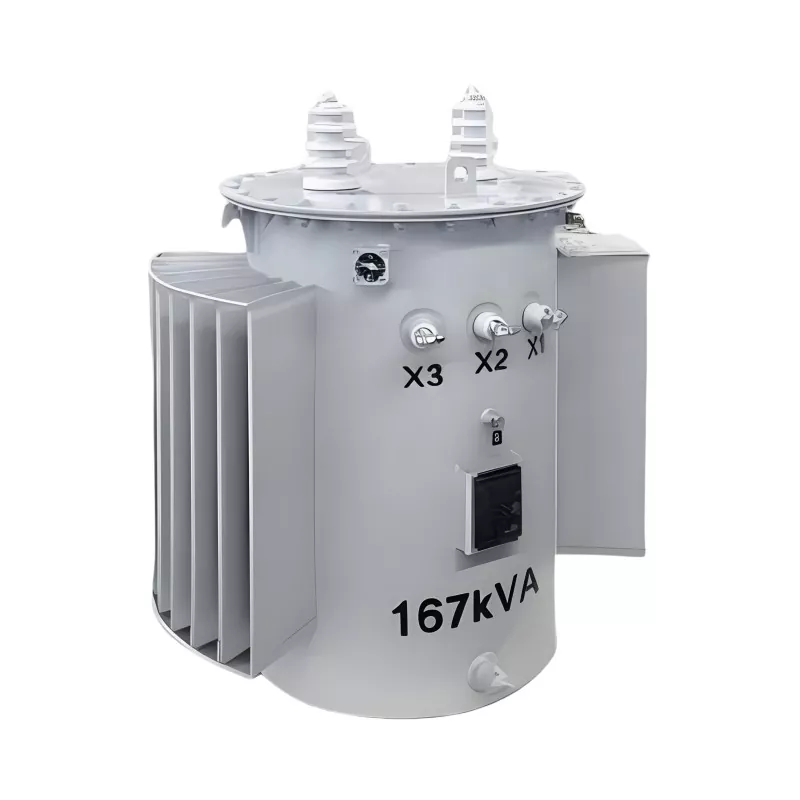
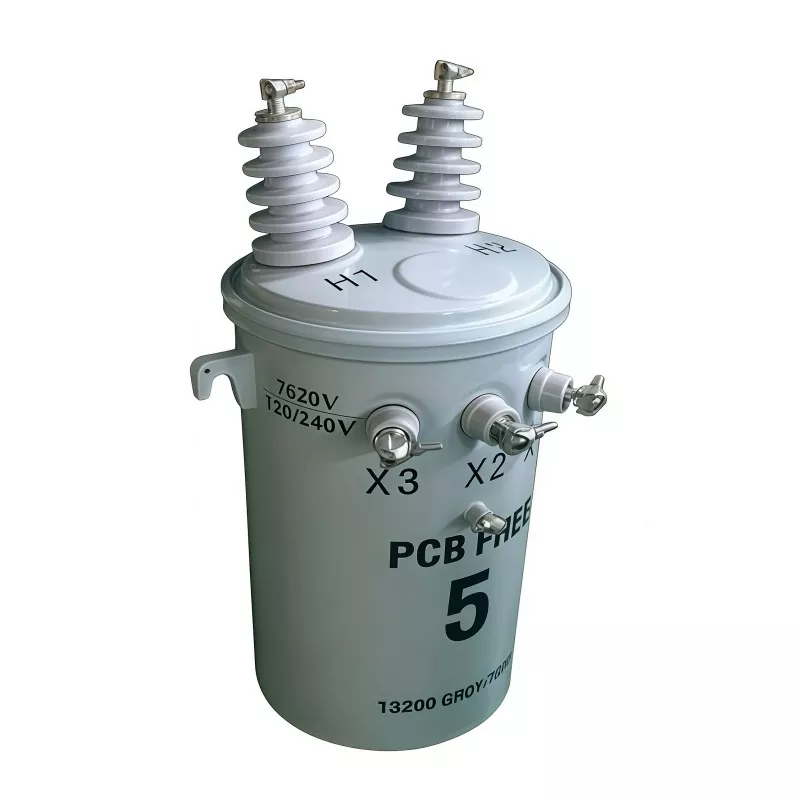
A 37.5KVA pole-mounted transformer is an electrical distribution device installed on a utility pole or comparable overhead support structure. Its primary function is to step down medium-voltage electricity from an overhead distribution line into a lower voltage that can be used by residential, agricultural, commercial, and light industrial consumers.
The 37.5KVA rating represents the transformer's apparent power capacity. In practical distribution planning, this capacity can be suitable for networks with moderate demand where a larger transformer would introduce unnecessary capacity while a smaller unit could become overloaded.
The pole-mounted configuration also provides a practical alternative to ground-mounted equipment. Because the transformer is elevated, valuable ground space can remain available for roads, buildings, agricultural operations, or other infrastructure.
For buyers researching different transformer configurations, Guangbian's power transformer solutions provide additional information about oil-immersed, dry-type, and pole-mounted transformer options.
How Does a 37.5KVA Pole-Mounted Transformer Work?
The operating principle is based on electromagnetic induction. Although the equipment is compact, its operation depends on coordinated performance between the magnetic core, primary winding, secondary winding, insulation system, and cooling medium.
1. Medium-Voltage Input
Electrical energy arrives from an overhead distribution network and enters the transformer's primary winding. The exact input and output voltage configuration depends on the project requirements and applicable utility standards.
2. Magnetic Field Generation
Alternating current flowing through the primary winding creates a changing magnetic field in the transformer core. Grain-oriented electrical steel is commonly used in distribution transformer cores because its magnetic properties help control core losses.
3. Voltage Transformation
The changing magnetic field induces voltage in the secondary winding. The turns ratio between the primary and secondary windings determines the voltage transformation relationship, allowing the medium-voltage supply to be reduced to a usable lower voltage.
4. Low-Voltage Power Delivery
The transformed electricity is then delivered to connected loads through the low-voltage distribution network. Proper transformer sizing helps maintain acceptable operating conditions while avoiding unnecessary capacity and energy losses.
Where Is a 37.5KVA Pole-Mounted Transformer Used?
The 37.5KVA capacity is particularly relevant to distribution systems with low to moderate electrical demand. Typical applications include:
- Residential distribution: Supplying homes, rural housing clusters, and small communities.
- Rural electrification: Supporting network expansion in areas where overhead distribution is widely used.
- Agricultural facilities: Providing power for irrigation pumps, farm buildings, livestock facilities, and greenhouse equipment.
- Small commercial buildings: Supporting shops, offices, workshops, storage facilities, and similar premises.
- Light industrial loads: Supplying smaller processing facilities and maintenance workshops with moderate demand.
- Temporary projects: Providing outdoor electrical distribution for selected construction or engineering applications.
Before specifying a transformer, engineers should calculate actual and expected load demand rather than selecting equipment solely according to the nominal capacity.
What Are the Key Features of a 37.5KVA Pole-Mounted Transformer?
Several construction and performance characteristics influence the suitability of a pole-mounted transformer for an outdoor distribution project.
| Feature | Typical Consideration | Why It Matters |
|---|---|---|
| Rated Capacity | 37.5KVA | Defines the transformer's apparent power rating for load planning. |
| Installation | Pole-mounted | Saves ground space and integrates with overhead distribution networks. |
| Winding | Pure copper winding | Supports electrical conductivity and mechanical winding integrity. |
| Cooling & Insulation | Insulating oil | Provides dielectric insulation and assists heat dissipation. |
| Core | Grain-oriented silicon steel | Helps control magnetic losses during transformer operation. |
| Testing | Electrical and insulation tests | Helps verify performance before shipment and installation. |
| Outdoor Design | Weather-resistant construction | Supports operation in exposed outdoor environments. |
For procurement teams, these characteristics should be evaluated together with the required voltage ratio, frequency, phase configuration, insulation level, environmental conditions, applicable standards, and utility specifications.
How Is the Transformer Manufactured?
Manufacturing quality has a direct relationship with transformer reliability. For a 37.5KVA pole-mounted unit, the production process involves multiple controlled stages rather than simply assembling a tank, core, and windings.
Core Fabrication
The core is manufactured from electrical steel sheets that are cut to controlled dimensions and assembled into a magnetic circuit. Proper stacking, joint arrangement, surface condition, and clamping pressure help control magnetic losses and mechanical stability.
Precision Winding
The winding stage determines important electrical and mechanical characteristics. Guangbian's product information specifies pure copper windings for its 37.5KVA unit. The conductor size, number of turns, winding tension, layer arrangement, and insulation system all need to be controlled carefully.
After winding, vacuum impregnation can help insulating material penetrate spaces within the coil and improve mechanical fixation, dielectric performance, and heat transfer.
Core and Coil Assembly
The finished coils are assembled with the transformer core, insulation components, and electrical connections. Appropriate clearances between energized components are essential for insulation performance and safe operation.
Tank Assembly
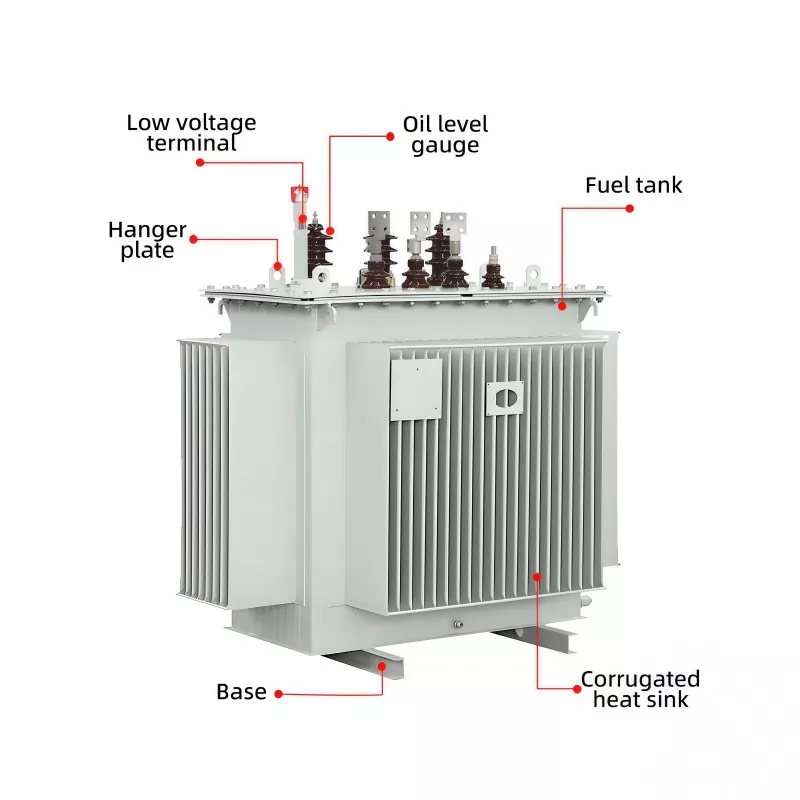
The active part is installed inside the transformer tank and immersed in insulating oil. The oil serves both as an electrical insulating medium and as a cooling medium. Guangbian's published manufacturing information states that mineral insulating oil is dehydrated and degassed before filling, while tank welds are inspected for integrity.
What Testing Should Buyers Consider?
Factory testing is an important part of transformer procurement because electrical performance cannot be evaluated reliably from appearance alone. According to Guangbian's published product information, its 37.5KVA unit undergoes several tests before shipment.
- No-load testing: Checks core-related current and losses under no-load conditions.
- Load testing: Evaluates load losses and temperature-rise performance under rated operating conditions.
- Withstand voltage testing: Verifies insulation capability against specified power-frequency test voltages.
- Impulse voltage testing: Helps assess the insulation system's ability to withstand transient overvoltage conditions.
- Insulating oil testing: Evaluates properties such as breakdown voltage and moisture-related characteristics.
- DC resistance measurement: Helps identify abnormalities in winding resistance and electrical connections.
For project procurement, buyers should request the applicable test report and confirm that the testing requirements correspond with the destination country's standards and the local utility's technical specification.
Why Choose a Pole-Mounted Distribution Transformer?
Pole-mounted transformers are particularly practical where the distribution network already relies on overhead conductors. Their elevated configuration can offer several engineering and infrastructure advantages.
- Efficient use of space: The transformer does not require a large ground-level installation area.
- Compatibility with overhead networks: The configuration connects naturally with overhead distribution lines.
- Reduced civil requirements: Compared with some ground installations, fewer dedicated ground structures may be required.
- Practical rural deployment: The configuration is suitable for extending distribution networks across dispersed communities.
- Outdoor suitability: Weather-resistant construction supports exposed operating conditions.
- Accessible maintenance: Utility personnel can inspect and service the equipment using appropriate safety procedures.
However, installation must always comply with local electrical codes, pole loading requirements, clearances, grounding rules, protection requirements, and utility procedures. Transformer selection should therefore be integrated into the overall distribution design rather than treated as an isolated purchasing decision.
How Should Buyers Select the Right Transformer?
Choosing a 37.5KVA transformer involves more than confirming the KVA number. Procurement engineers should review the complete electrical and environmental requirements before placing an order.
- Confirm the load: Calculate present demand and reasonable future growth.
- Confirm voltage requirements: Specify primary and secondary voltages according to the distribution system.
- Check phase configuration: Determine whether the project requires single-phase or three-phase equipment.
- Review frequency: Confirm compatibility with the local electrical grid frequency.
- Evaluate installation conditions: Consider ambient temperature, altitude, humidity, pollution, wind, and exposure.
- Verify protection requirements: Coordinate fuses, surge protection, grounding, and other protective equipment.
- Request technical documentation: Review drawings, nameplate information, test reports, and applicable standards.
- Assess supplier capability: Consider manufacturing experience, inspection procedures, traceability, delivery capability, and after-sales support.
A reliable transformer supplier should be able to discuss these parameters before production so that the final configuration matches the actual project rather than relying on a generic specification.
Frequently Asked Questions
What does 37.5KVA mean on a transformer?
37.5KVA is the transformer's rated apparent power capacity. It indicates the electrical loading capacity under the specified operating conditions and should be considered together with voltage, power factor, ambient conditions, and applicable design requirements.
Where can a 37.5KVA pole-mounted transformer be installed?
It can be used in suitable overhead distribution systems serving residential communities, rural areas, farms, small commercial facilities, light industrial sites, and selected temporary power projects.
Why are copper windings important?
Copper offers high electrical conductivity and good mechanical characteristics for transformer windings. Proper conductor sizing and controlled winding tension are also essential, so winding material should not be evaluated independently from the complete winding design.
Is a pole-mounted transformer suitable for every project?
No. Suitability depends on load requirements, voltage levels, network configuration, installation environment, utility standards, pole loading capacity, safety clearances, and local electrical regulations. A qualified electrical engineer should confirm the final specification.
What should I request from a transformer manufacturer?
Buyers should consider requesting technical drawings, nameplate data, routine test documentation, applicable standards, installation information, warranty terms, packaging details, and delivery specifications. For project procurement, traceability and documented factory testing can also be valuable.
Conclusion
A 37.5KVA Pole-Mounted Transformer provides a practical way to step down medium-voltage electricity for moderate-load distribution applications while making efficient use of overhead infrastructure. Its performance depends on the complete engineering system, including core construction, copper winding quality, insulation, cooling, tank integrity, factory testing, and correct installation. Guangbian manufactures pole-mounted transformers in China and supports global buyers with factory-direct procurement and transformer solutions. If you are planning a rural electrification project, utility distribution system, agricultural power network, or commercial application, contact us to discuss the required voltage, capacity, installation conditions, testing requirements, and customized transformer solution for your project.
Related News
- How Can a 50KVA Dry Type Isolation Transformer with MCCB Improve Electrical Safety and Power Reliability
- Why Is a 50KVA Dry Type Isolation Transformer with MCCB a Smarter Choice for Reliable Power Protection
- How Can a 150KVA Dry Type Isolation Transformer Improve Safe and Flexible Power Distribution
- Why Is a 37.5KVA Pole-Mounted Transformer a Smart Choice for Reliable Overhead Power Distribution
- How Can a 167KVA Pole-Mounted Transformer Deliver More Reliable and Cost-Effective Power Distribution
- Why Is a 167KVA Pole-Mounted Transformer a Smart Choice for Modern Distribution Networks
Leave me a message