English
- English
- Español
- Português
- русский
- Français
- 日本語
- Deutsch
- tiếng Việt
- Italiano
- Nederlands
- ภาษาไทย
- Polski
- 한국어
- Svenska
- magyar
- Malay
- বাংলা ভাষার
- Dansk
- Suomi
- हिन्दी
- Pilipino
- Türkçe
- Gaeilge
- العربية
- Indonesia
- Norsk
- تمل
- český
- ελληνικά
- український
- Javanese
- فارسی
- தமிழ்
- తెలుగు
- नेपाली
- Burmese
- български
- ລາວ
- Latine
- Қазақша
- Euskal
- Azərbaycan
- Slovenský jazyk
- Македонски
- Lietuvos
- Eesti Keel
- Română
- Slovenski
- मराठी
- Srpski језик

How Can a 150KVA Dry Type Isolation Transformer Improve Safe and Flexible Power Distribution
Article Summary: A properly selected transformer can make a major difference in power distribution safety, voltage conversion, equipment compatibility, and site reliability. The 150KVA Dry Type Isolation Transformer from GUANGBIAN is designed for applications that require electrical isolation and low-voltage distribution, with a 480V input, 400V three-phase and 230V single-phase output, full copper windings, Delta-Star connection, IP43 stainless-steel enclosure, automatic fan cooling, and MCCB protection. This article explains its configuration, working principles, application scenarios, technical considerations, and selection factors for industrial and construction projects.
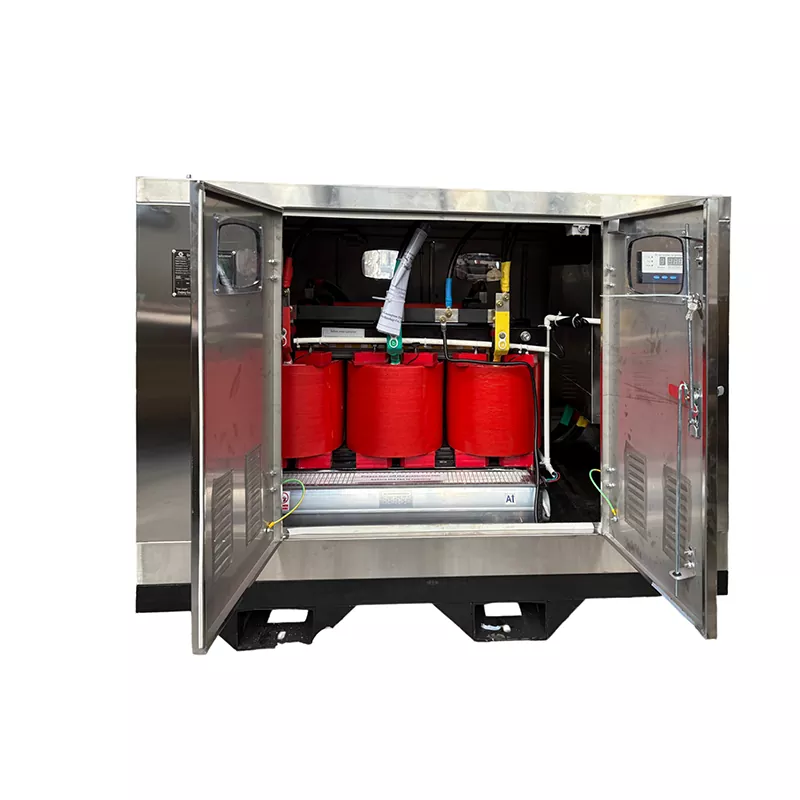
Table of Contents
- What Is a 150KVA Dry Type Isolation Transformer?
- What Are the Key Technical Specifications?
- What Advantages Does This Transformer Offer?
- Where Can It Be Used?
- How Should You Select the Right Configuration?
- How Does It Compare With Other Transformer Options?
- How Is It Manufactured and Tested?
- Frequently Asked Questions
- Need a Customized Transformer Solution?
What Is a 150KVA Dry Type Isolation Transformer?
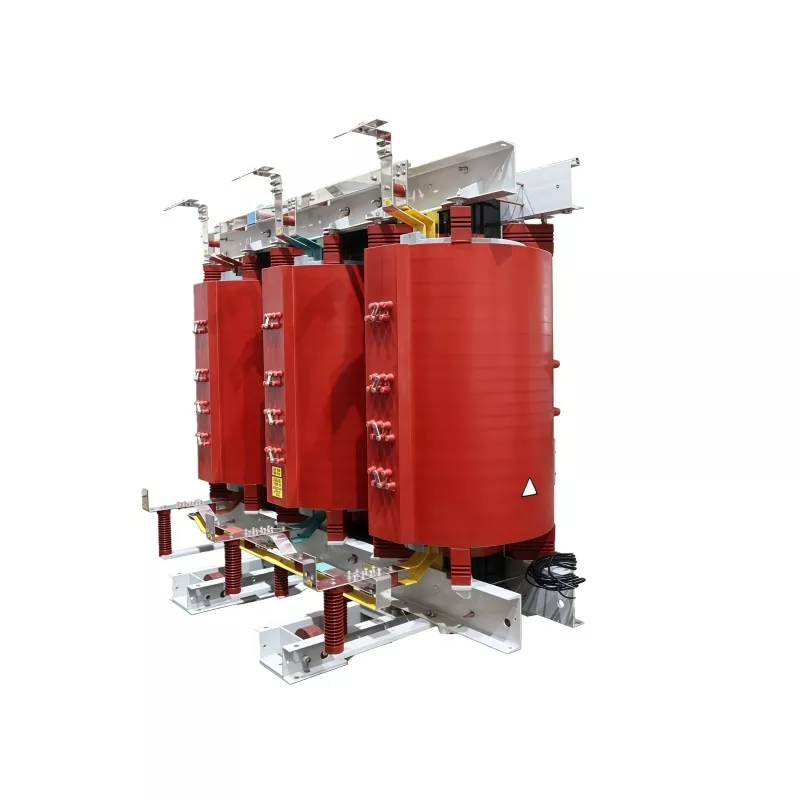
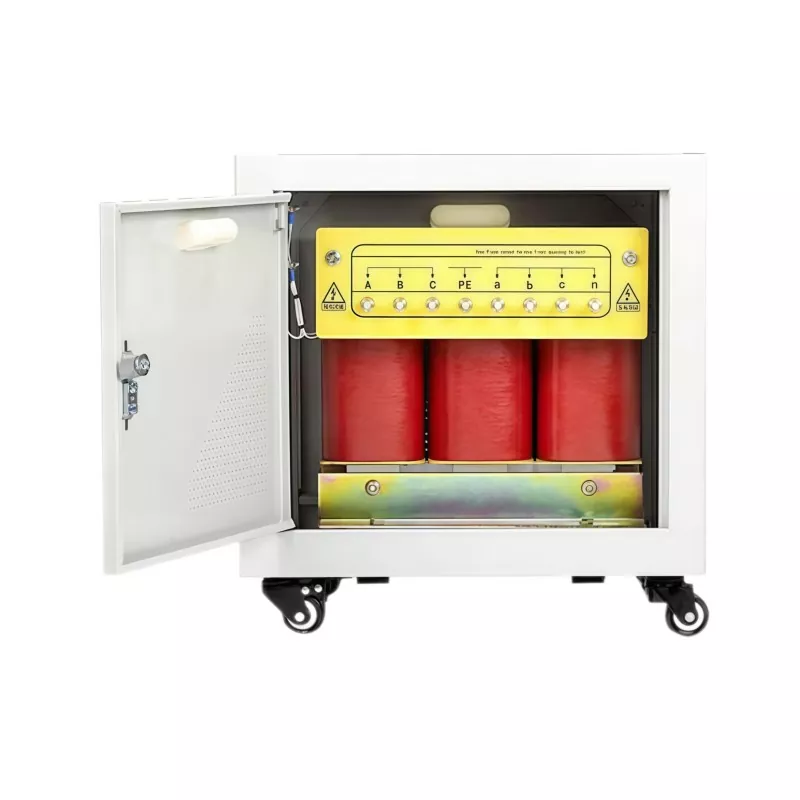
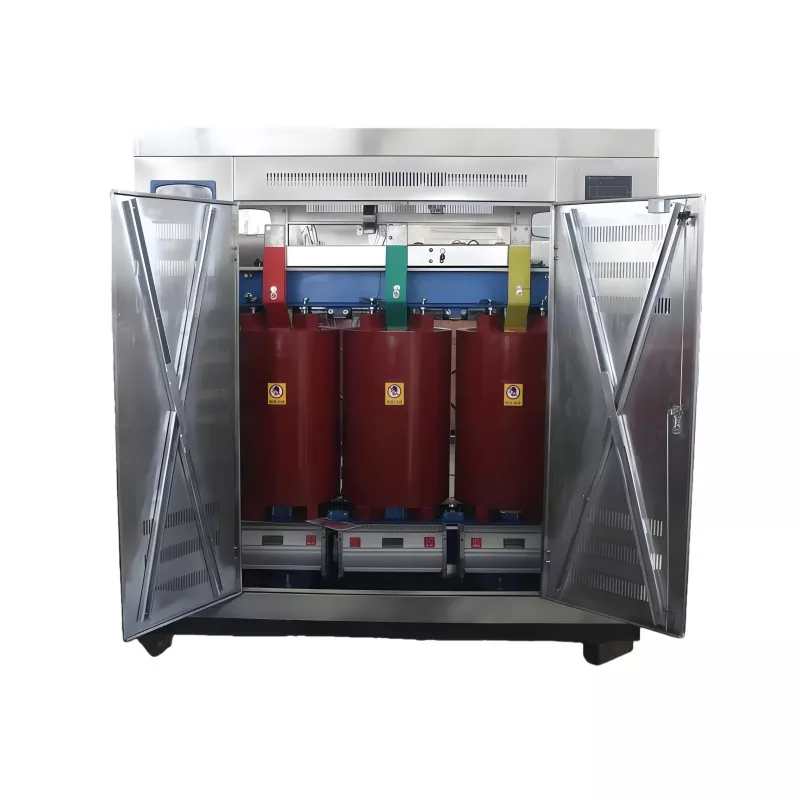
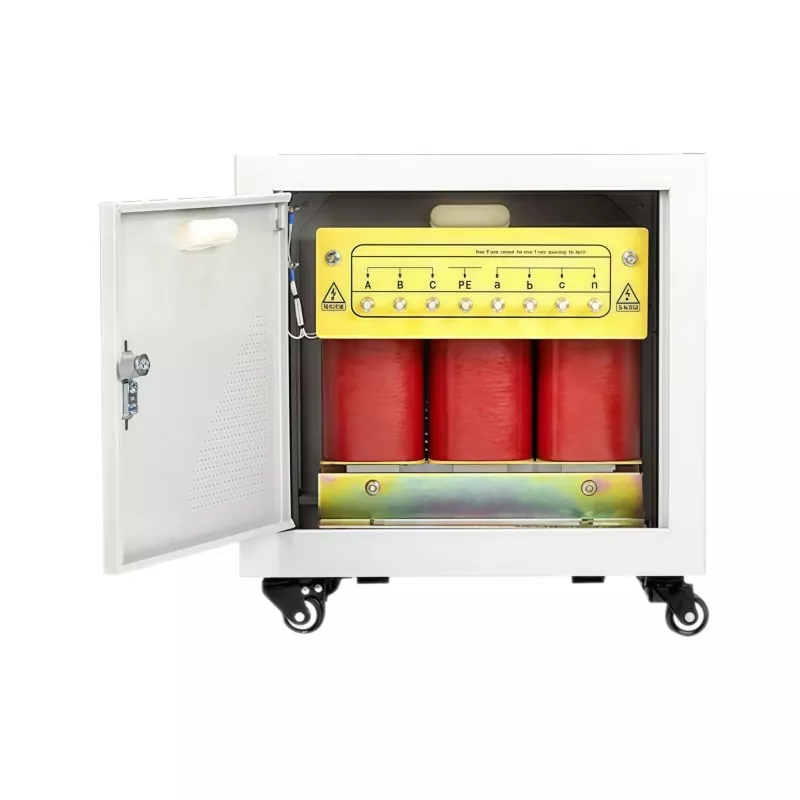
A 150KVA dry type isolation transformer is a three-phase transformer designed to provide electrical isolation while converting incoming power to a required low-voltage distribution level. Unlike oil-immersed transformers, dry type designs use solid insulation and air-based cooling arrangements rather than insulating oil, making them particularly suitable for indoor installations and selected industrial or construction environments.
The GUANGBIAN configuration uses a 480V line-voltage input and provides 400V three-phase and 230V single-phase output. Its Delta-Star (Δ-Y) winding connection allows the secondary side to provide a neutral point for single-phase distribution while supporting three-phase loads.
With a rated capacity of 150 kVA, the transformer can serve a mixture of machinery and auxiliary electrical loads when the site's actual demand, starting current, power factor, load factor, and simultaneous operation have been properly calculated.
What Are the Key Technical Specifications?
Understanding the electrical configuration before purchasing a transformer is essential because voltage, frequency, phase arrangement, enclosure protection, winding material, and cooling method all influence system compatibility.
| Parameter | Specification |
|---|---|
| Rated Capacity | 150 kVA |
| Transformer Type | Dry Type Isolation Transformer |
| Phase | 3-Phase |
| Input Voltage | 480 V Line Voltage |
| Output Voltage | 400 V Three-Phase / 230 V Single-Phase |
| Rated Frequency | 60 Hz |
| Winding Material | Full Copper |
| Connection | Delta-Star (Δ-Y) |
| Winding Temperature Rise | 100°C |
| Insulation Class | F |
| Enclosure | Stainless Steel |
| Protection Rating | IP43 |
| Cooling | Automatic Fan Cooling |
| Additional Protection | Input and Output MCCBs |
| Noise Level | Less than 60 dB at 1 meter |
This configuration is especially practical when one power source needs to support both three-phase machinery and single-phase auxiliary equipment. However, the nameplate capacity should not be treated as an indication that every connected device can operate at full rated power simultaneously.
What Advantages Does This Transformer Offer?
Electrical Isolation for Downstream Loads
Isolation separates the primary and secondary electrical circuits through transformer coupling. This arrangement can help establish a controlled downstream power system and is useful in applications where electrical isolation is part of the overall distribution design.
Flexible 400V and 230V Distribution
The Delta-Star secondary configuration provides both three-phase and single-phase distribution possibilities. Three-phase 400V power can support equipment such as pumps, cranes, welding machines, concrete mixers, and other industrial machinery, while 230V power can serve lighting, office equipment, portable tools, air-conditioning units, and auxiliary loads.
Full Copper Windings
The transformer uses full copper windings. Copper has relatively low electrical resistivity, and properly designed copper conductors can help control winding losses. Actual thermal performance still depends on conductor sizing, transformer design, ambient temperature, insulation system, ventilation, and loading conditions.
Automatic Cooling Management
Temperature sensors monitor winding conditions. When the preset temperature is reached, automatic fans start to increase heat dissipation. This approach is useful for applications where electrical loads fluctuate or operating temperatures can become elevated.
Integrated MCCB Protection
Molded Case Circuit Breakers are provided on the incoming and outgoing sides. These breakers can provide additional circuit protection and isolation, while their final ratings should be selected according to cable size, connected loads, expected current, and the project's protection coordination requirements.
Where Can It Be Used?
A 150 kVA capacity is suitable for many medium-scale electrical distribution applications when the calculated load falls within the transformer's design limits.
- Construction sites: Supplies temporary power to cranes, mixers, pumps, welding equipment, lighting, and site offices.
- Industrial facilities: Supports production machinery together with auxiliary single-phase electrical loads.
- Commercial facilities: Provides isolated low-voltage distribution where the electrical design calls for it.
- Temporary power systems: Can be integrated into project-based power distribution arrangements.
- Mixed-load installations: Supports both three-phase machinery and 230V single-phase equipment from the same secondary system.
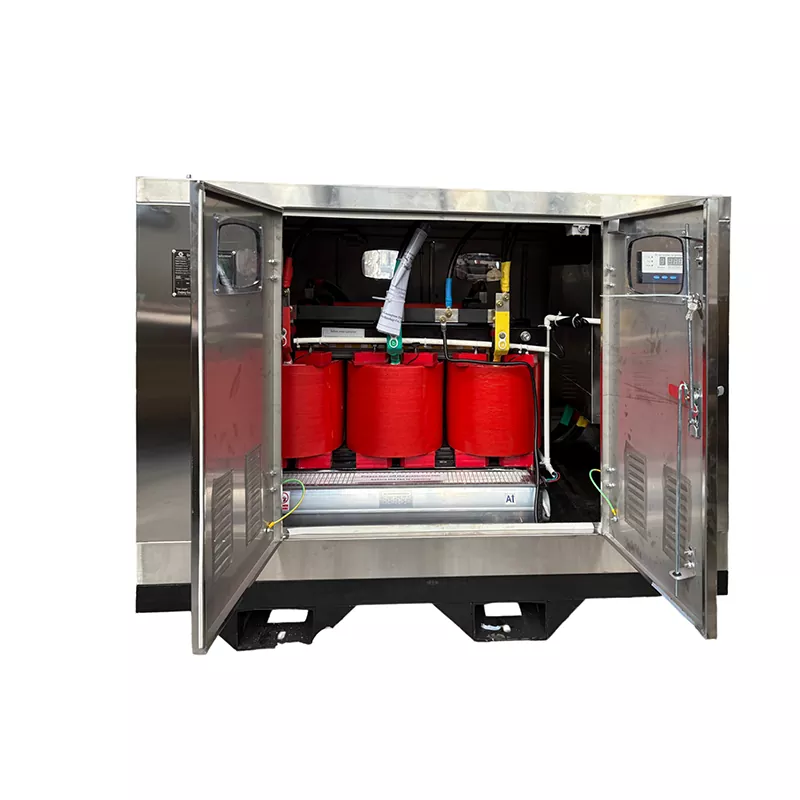
For construction projects, the Saudi Arabia project configuration supplied by GUANGBIAN demonstrates how a stainless-steel enclosure, Delta-Star connection, automatic fan cooling, copper windings, and additional MCCBs can be integrated into a project-specific transformer design.
How Should You Select the Right Configuration?
Choosing a transformer should begin with the electrical system rather than simply selecting a kVA rating. A complete technical review should cover the following factors:
- Calculate maximum demand: Identify the actual operating load instead of adding only the nameplate ratings of every connected device.
- Check motor starting current: Motors, compressors, pumps, and other inductive loads may require significantly higher current during startup.
- Confirm input voltage: Verify that the primary voltage matches the available electrical supply.
- Confirm output requirements: Determine whether the project requires 400V three-phase, 230V single-phase, or another voltage combination.
- Verify frequency: Confirm whether the installation operates at 50 Hz or 60 Hz.
- Review ambient conditions: Temperature, ventilation, dust, moisture, and installation location influence thermal and enclosure requirements.
- Define protection requirements: MCCB ratings and downstream protection should be coordinated with cables and connected equipment.
- Confirm grounding arrangements: The neutral and grounding configuration should follow the project's electrical design and applicable local regulations.
These considerations are particularly important because a transformer can appear adequately sized under normal running conditions but still experience excessive stress if multiple high-current motors start simultaneously.
How Does It Compare With Other Transformer Options?
| Feature | Dry Type Isolation Transformer | Oil-Immersed Transformer |
|---|---|---|
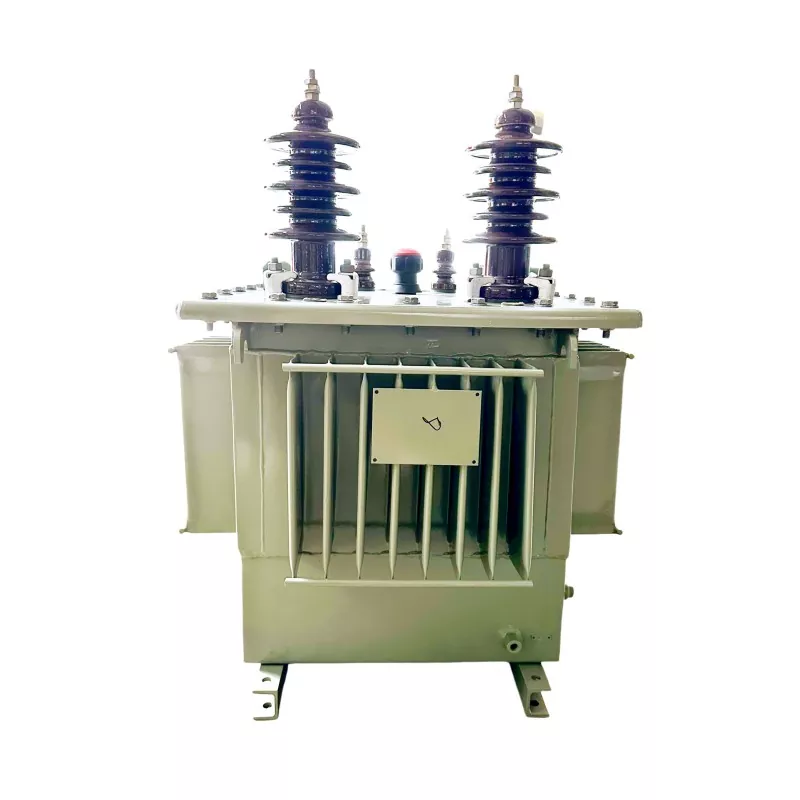
| Insulating Medium | Solid insulation and air-based cooling | Insulating oil |
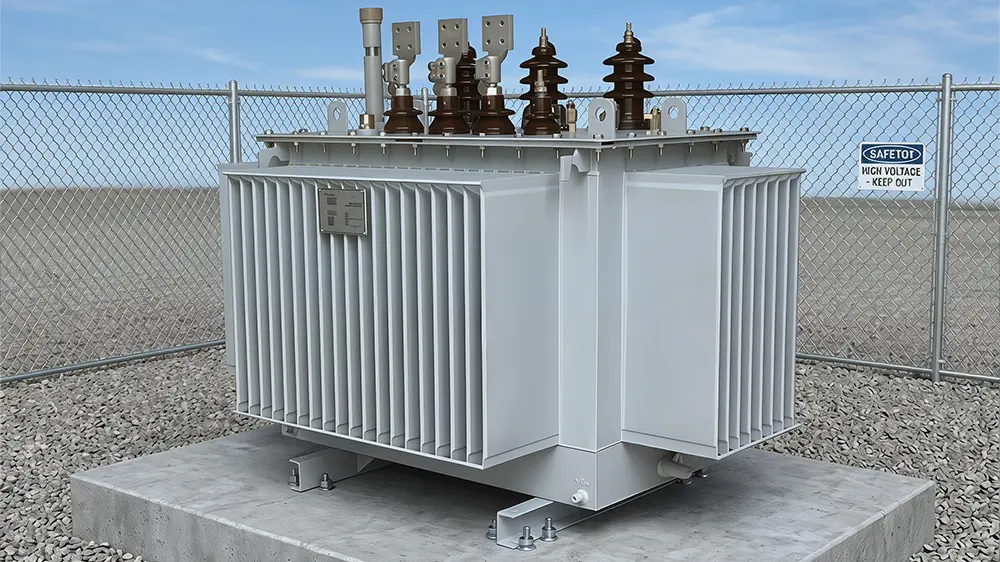
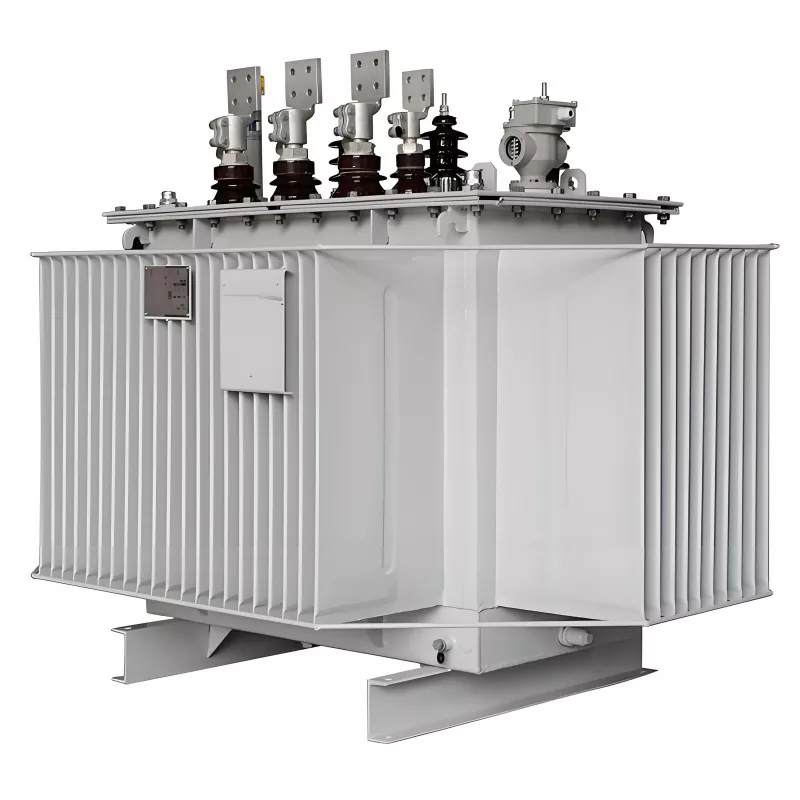
| Typical Installation | Indoor and selected protected environments | Commonly outdoor distribution applications |
| Oil Management | No transformer oil | Requires oil system management |
| Fire Considerations | No insulating oil | Oil-related fire considerations must be addressed |
| Maintenance Approach | Generally simpler oil-free maintenance | Requires inspection and management of oil-related components |
| Customization | Voltage, enclosure, cooling and protection can be configured | Also available in various configurations |
The choice between dry type and oil-immersed technology should be based on installation environment, capacity, voltage requirements, applicable standards, cooling requirements, available space, and the overall electrical system design.
How Is It Manufactured and Tested?
For project-based transformer procurement, manufacturing quality is only one part of the process. Accurate interpretation of the customer's electrical specification is equally important.
GUANGBIAN manufactures transformer configurations according to project requirements. Depending on the application, specifications such as input and output voltage, frequency, winding arrangement, enclosure design, cooling method, and protection configuration can be adjusted.
The production process should confirm the key electrical parameters before manufacturing begins. Factory testing can then be performed according to the agreed technical specification and applicable standard, with test records and third-party inspection available when required by the project.
Key information to provide when requesting a quotation
- Required kVA capacity
- Primary and secondary voltage
- 50 Hz or 60 Hz frequency
- Single-phase or three-phase requirements
- Winding material preference
- Required connection configuration
- Indoor or outdoor installation conditions
- Enclosure protection requirements
- Cooling requirements
- MCCB or other protection requirements
- Load type and motor-starting characteristics
- Applicable local electrical standards
Providing these details at the quotation stage helps the manufacturer develop a transformer configuration that matches the actual project rather than relying on a generic standard model.
Frequently Asked Questions
What is the output voltage of this transformer?
This configuration provides 400V three-phase and 230V single-phase output. Other voltage combinations can be developed according to project requirements.
Can 400V and 230V loads operate from the same transformer?
Yes. The Delta-Star connection provides a three-phase secondary supply and a neutral point for single-phase distribution. The connected loads must be properly balanced and remain within the transformer's rated capacity.
How does the automatic cooling fan work?
Temperature sensors monitor winding temperature. When the preset temperature is reached, the control system activates the cooling fans to increase heat dissipation. The actual control temperature should follow the transformer's thermal design.
What does IP43 protection mean?
IP43 indicates protection against solid foreign objects larger than 1 mm and protection against water spray under the applicable IPX3 test conditions. It should not be interpreted as completely dustproof or waterproof.
Is 150 kVA enough for a construction site?
It depends on the site's calculated electrical demand. Motor starting current, welding equipment, simultaneous operation, temporary peak loads, power factor, and load factor should all be considered before confirming the required transformer capacity.
Can the transformer be customized?
Yes. Input and output voltage, frequency, connection configuration, enclosure, cooling method, winding arrangement, and protection configuration can be customized according to the project's electrical requirements.
Need a Customized Transformer Solution?
Choosing the right transformer is ultimately about matching electrical capacity, voltage conversion, isolation, protection, cooling, and installation conditions to the real operating environment. With configurable electrical specifications and project-oriented manufacturing, GUANGBIAN can support customers looking for a practical transformer solution for industrial, construction, and other low-voltage distribution applications. If you are planning a new project or replacing an existing unit, contact us with your voltage, capacity, frequency, load type, and installation requirements to discuss a suitable transformer configuration and receive a project-specific quotation.
Related News
- How Can a 50KVA Dry Type Isolation Transformer with MCCB Improve Electrical Safety and Power Reliability
- Why Is a 50KVA Dry Type Isolation Transformer with MCCB a Smarter Choice for Reliable Power Protection
- How Can a 37.5KVA Pole-Mounted Transformer Improve Reliable Power Distribution
- Why Is a 37.5KVA Pole-Mounted Transformer a Smart Choice for Reliable Overhead Power Distribution
- How Can a 167KVA Pole-Mounted Transformer Deliver More Reliable and Cost-Effective Power Distribution
- Why Is a 167KVA Pole-Mounted Transformer a Smart Choice for Modern Distribution Networks
Leave me a message