English
- English
- Español
- Português
- русский
- Français
- 日本語
- Deutsch
- tiếng Việt
- Italiano
- Nederlands
- ภาษาไทย
- Polski
- 한국어
- Svenska
- magyar
- Malay
- বাংলা ভাষার
- Dansk
- Suomi
- हिन्दी
- Pilipino
- Türkçe
- Gaeilge
- العربية
- Indonesia
- Norsk
- تمل
- český
- ελληνικά
- український
- Javanese
- فارسی
- தமிழ்
- తెలుగు
- नेपाली
- Burmese
- български
- ລາວ
- Latine
- Қазақша
- Euskal
- Azərbaycan
- Slovenský jazyk
- Македонски
- Lietuvos
- Eesti Keel
- Română
- Slovenski
- मराठी
- Srpski језик
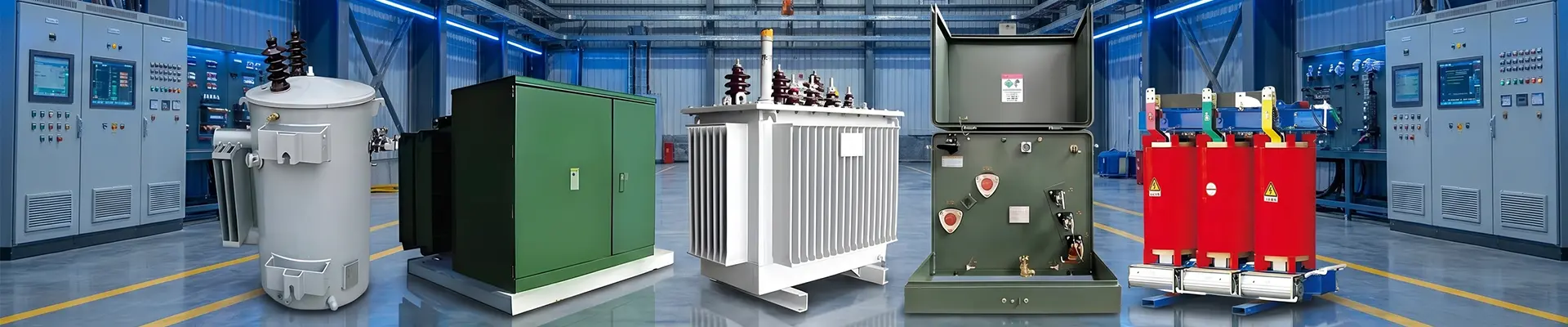
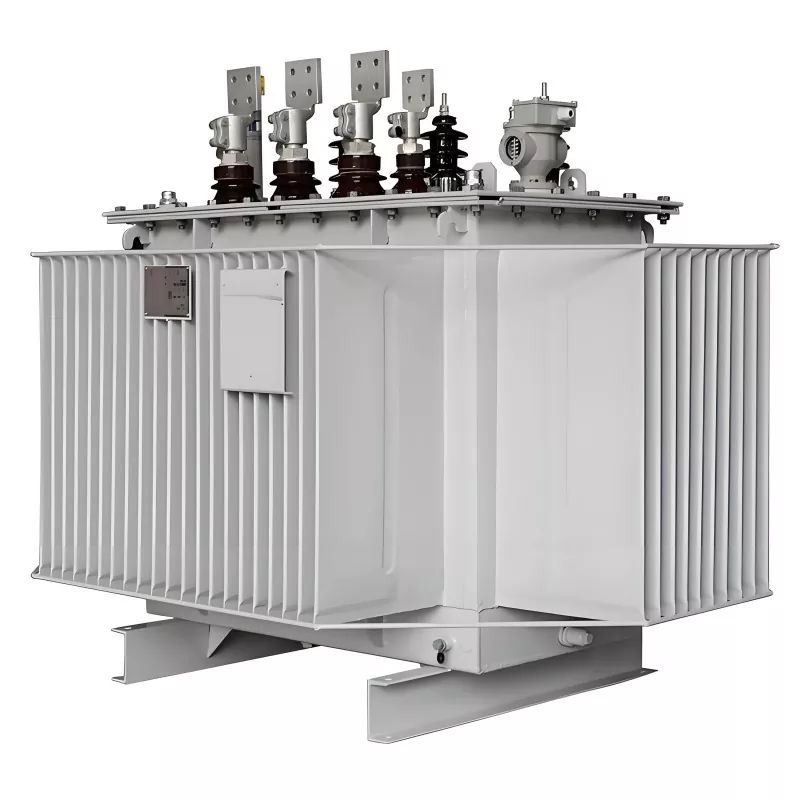
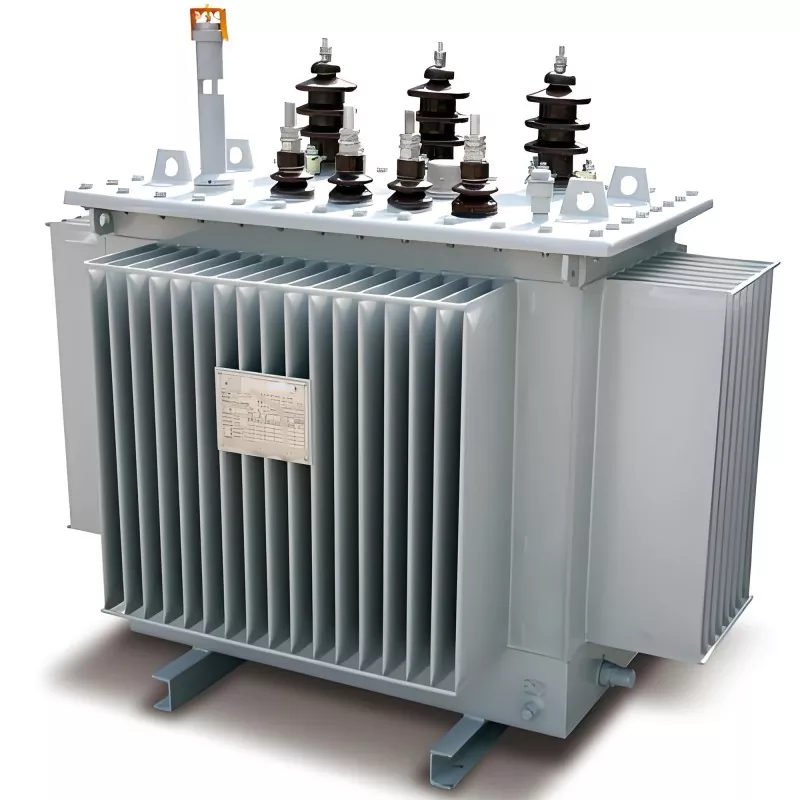
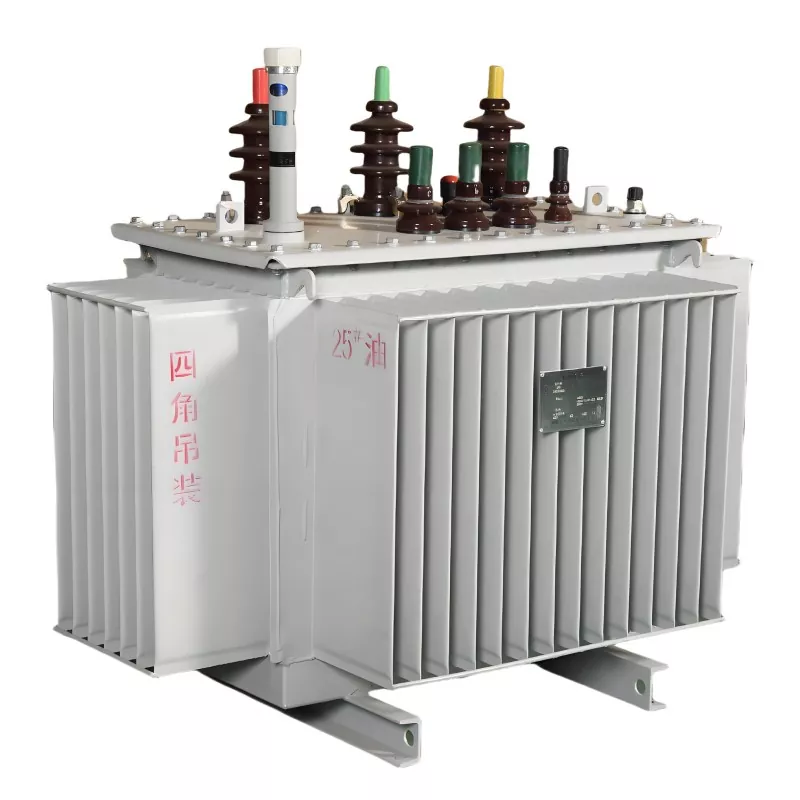
Parallel Operation Transformer
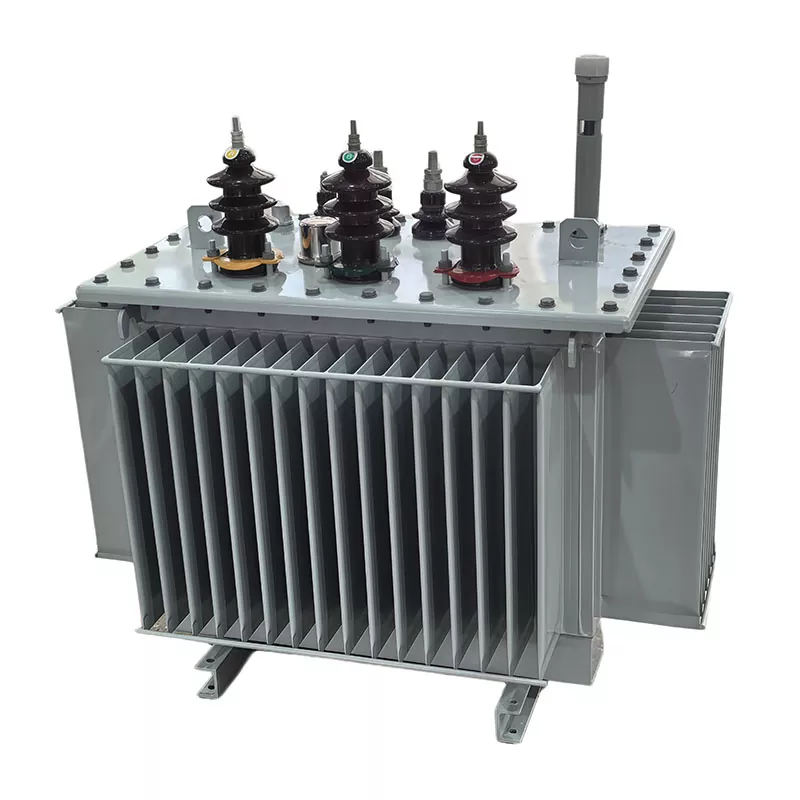
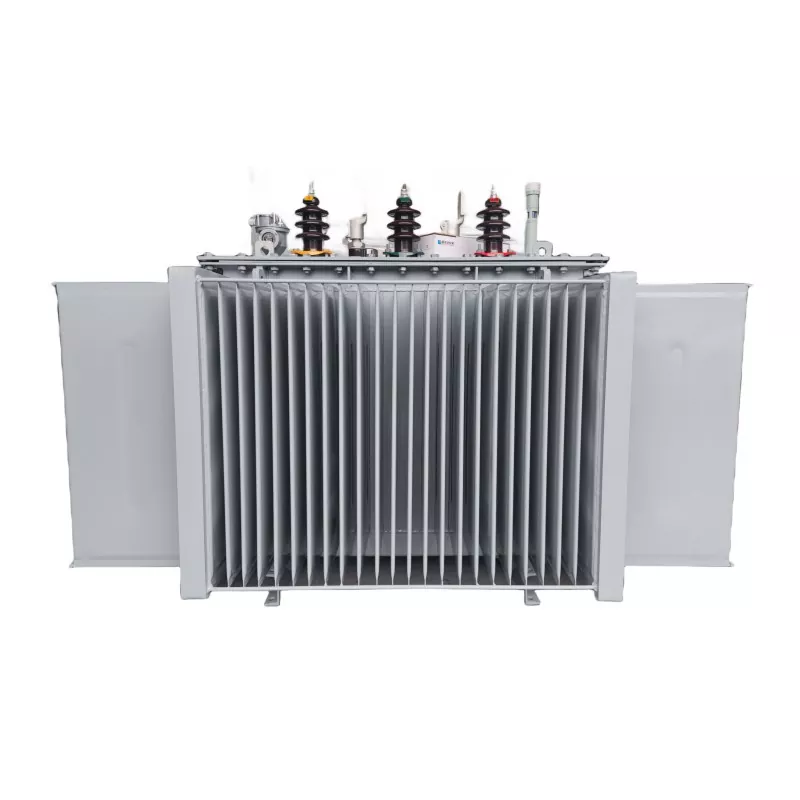
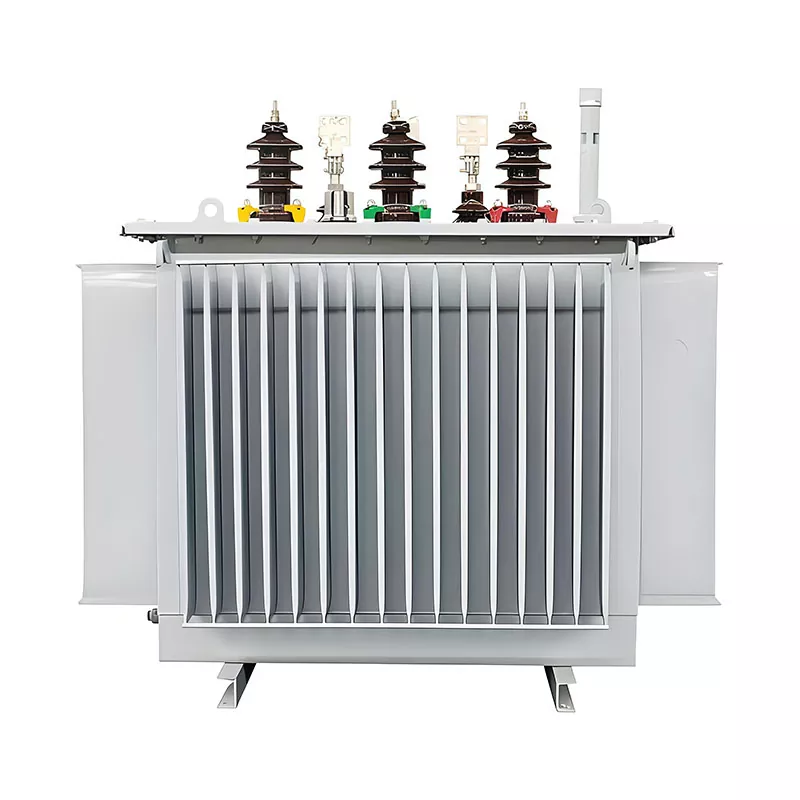
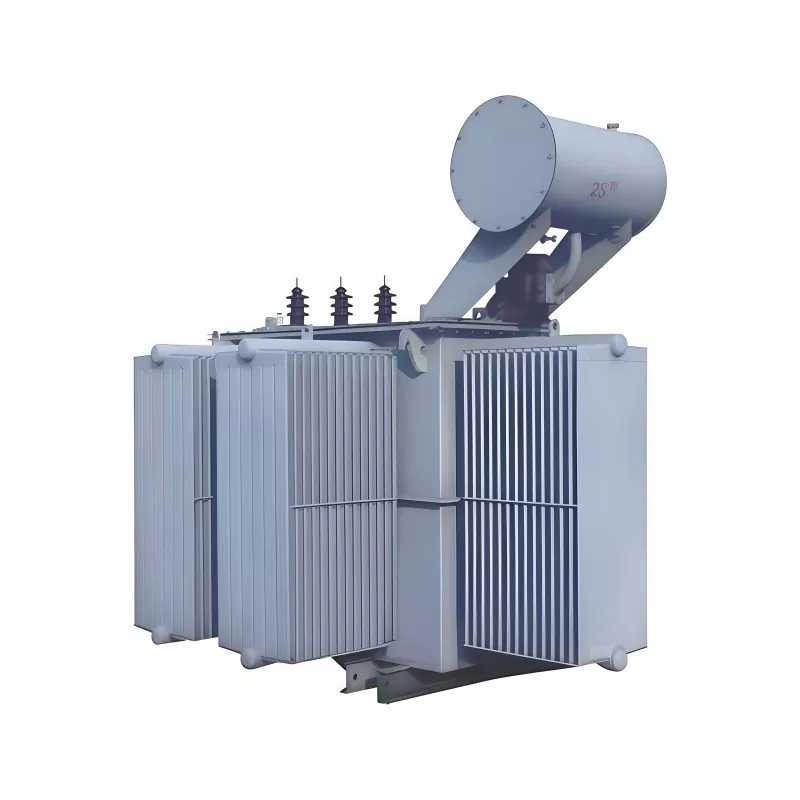
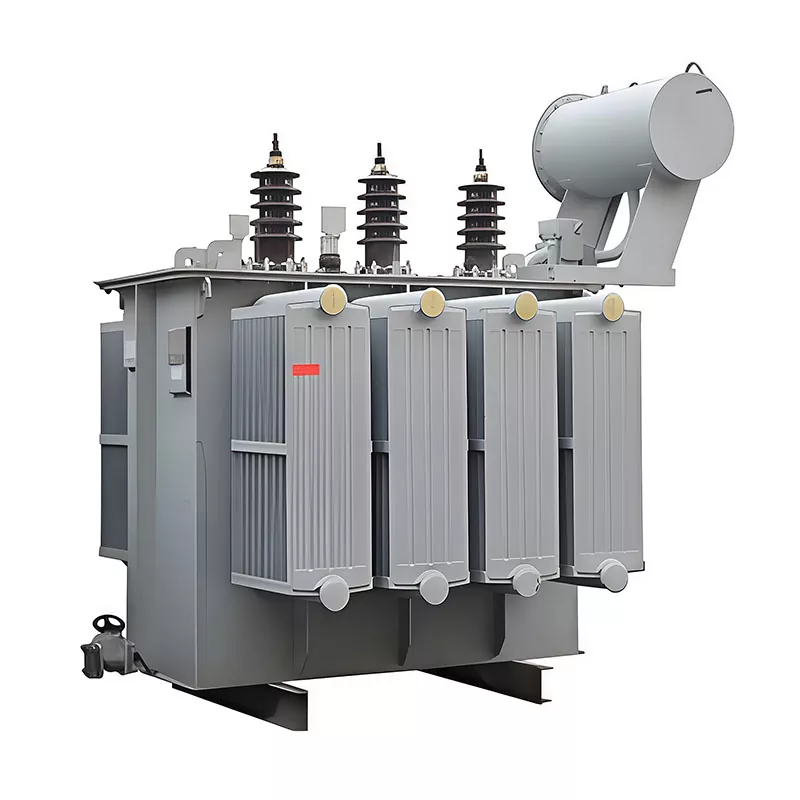
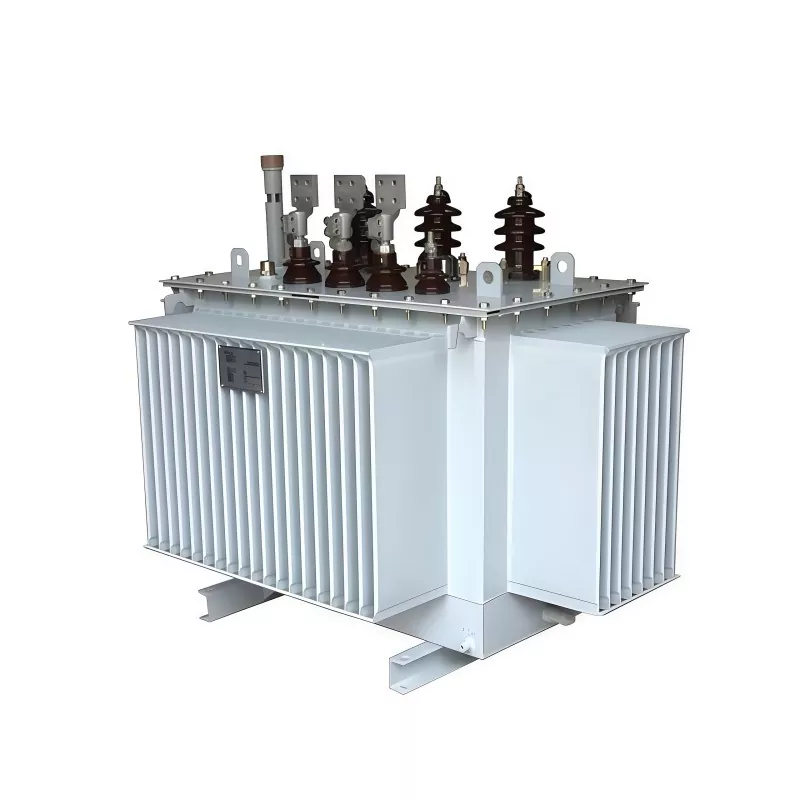
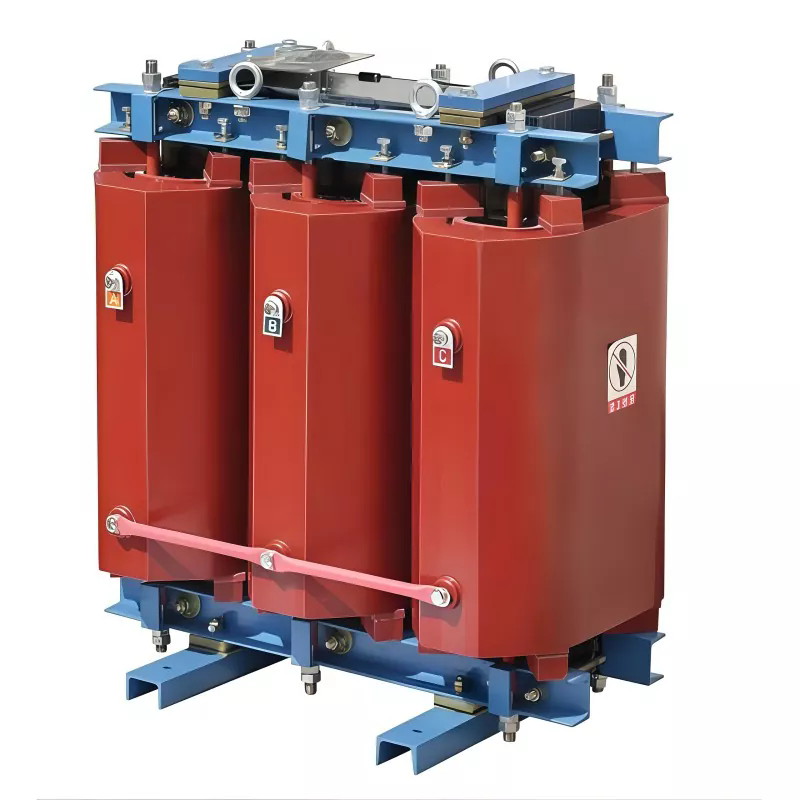
Parallel Operation Transformer by Guangbian is a reliable and efficient power solution designed for flexible capacity expansion and stable load sharing, making it an ideal choice for buyers seeking a China transformer manufacturer, industrial power transformer supplier, and cost-effective factory-direct electrical equipment for continuous and scalable power systems.
A Parallel Operation Transformer refers to the operation mode in which two or more transformers are connected to the same electrical bus and supply a common load simultaneously after meeting specific electrical conditions.
The main objectives are:
Increase power supply capacity
Improve system reliability
Enhance operational flexibility
Reduce the risk of overload on a single transformer
This configuration is widely used in substations, industrial power systems, data centers, and large-scale manufacturing facilities.
Advantages
(1) Improved Power Reliability
If one transformer fails, others can continue supplying power.
(2) Flexible Capacity Expansion
Additional transformers can be added as load demand increases.
(3) Higher Operational Efficiency
Transformers can be switched on/off based on load conditions, reducing no-load losses.
(4) Easier Maintenance
Individual transformers can be serviced without full system shutdown.
(5) Cost Optimization
Avoids the need for a single large-capacity transformer investment.
Vector Group Matching
The most critical rule for parallel transformer operation? Match your vector groups.
Vector groups describe winding connections using letters and numbers — Dyn11, Yyn0, for instance. First letter: high-voltage winding setup. Second letter: low-voltage side. The number shows phase displacement in 30-degree steps.
Why It Matters?
Put two transformers with different vector groups in parallel, and their secondary voltages won't align properly. Even a 30-degree phase offset creates circulating currents between units. These currents flow through windings but carry zero useful load. Result: overheating, wasted energy.
We catch this issue regularly at our GUANGBIAN factory in China. Customers assume any two transformers can run together — not true. Transformer synchronization starts here. Skip this check, and your parallel connection of transformers creates more problems than it solves.
Example: A Dyn11 unit won't work in parallel with a Yyn0 transformer. The phase difference causes severe circulating currents — no way around it.
Practical Advice
Before buying a second transformer for Parallel Operation Transformer, check your existing unit's vector group. Write it into your purchase specs. When selecting new equipment, specify the matching vector group explicitly. Compatibility isn't optional.
At our GUANGBIAN factory, we've seen customers in China order transformers without checking this detail. Then they call, wondering why transformer load sharing failed. Don't skip the basics.
Impedance Matching
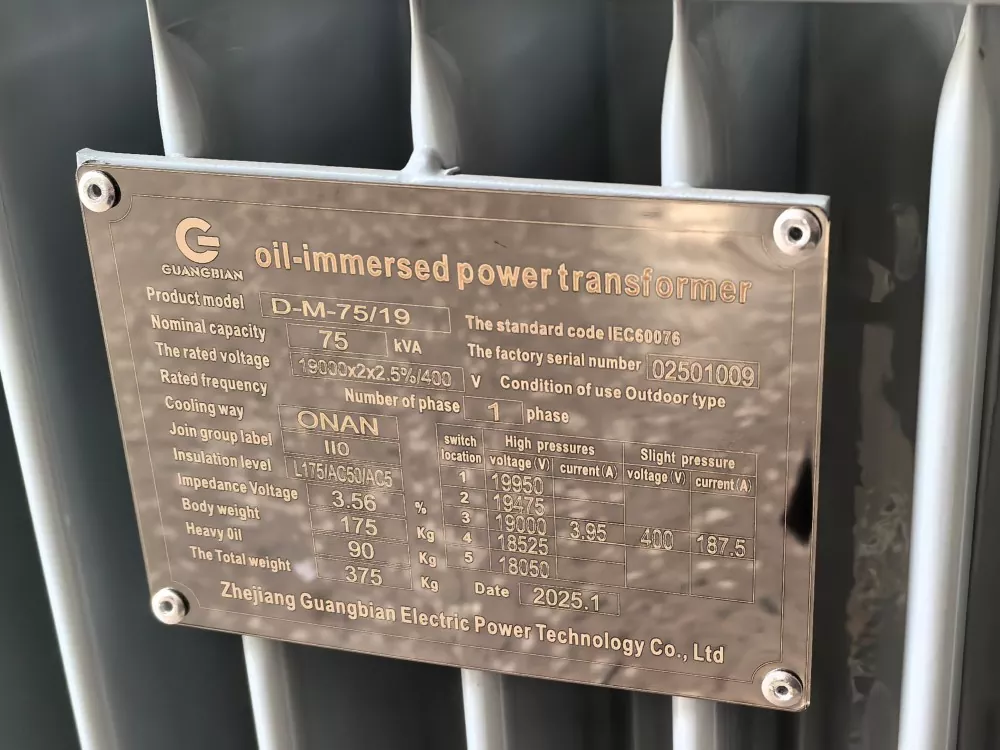
Transformers need similar impedance values - typically within 10% of each other - for proper load distribution. Impedance, shown as a percentage, determines voltage drop at full load.
If one unit has significantly higher impedance, it carries less of the load. The other works harder, runs hotter, wears out faster. Transformer manufacturers like us always verify impedance compatibility when advising on multiple transformer operation setups.
|
|
How Impedance Affects Load Sharing?
Take two transformers with different impedance values:
|
Transformer |
Impedance |
Load Sharing Result |
|
Unit A |
6% |
Takes more than its share |
|
Unit B |
8% |
Runs below capacity |
The transformer with lower impedance naturally draws more current. It's basic physics. The result? One unit works overtime while the other barely contributes — neither situation works well long-term.
Getting the Match Right
When possible, buy transformers from the same manufacturer, designed for Parallel Operation Transformer. Units from the same production batch usually hold tighter impedance tolerances. Different manufacturers? Specify matching impedance values clearly in your purchase documents.
Load Sharing Basics
Matched transformers distribute load in proportion to their ratings. A 1000kVA unit paired with a 500kVA unit should split the load roughly 2:1 — that's how transformer load sharing works when specs align.
For customers building multiple transformer operation systems, our GUANGBIAN factory in China runs these checks as standard practice. Verifying specs before installation takes minutes. Fixing a parallel transformer bank that won't balance? That takes far longer.
Factors Affecting Load Sharing
Impedance Values: Units with lower impedance naturally pick up more of the electrical load. This is fundamental to how transformer load sharing works.Tap Changer Position: Different tap settings shift the voltage ratio, which in turn affects how current divides between units.
Connection Quality: Bad contacts — whether loose or resistive — skew current distribution and throw the parallel setup off balance.
Temperature Effects: Operating temperature shifts impedance slightly. That's why consistent monitoring pays off.
Monitoring Load Distribution
Put current sensors on the secondary side of each transformer to see exactly how much load each one handles. Check the readings regularly - both units need to stay within their rated limits. Here's what to watch for: if one unit climbs past 85% capacity while the other stays under 60%, something's off and worth investigating. A lot of plants configure alarms at these thresholds. At GUANGBIAN, we advise customers to take this approach when deploying parallel transformer configurations - spotting irregularities upfront beats chasing problems later.Protection System Coordination
Running transformers in parallel means your protection scheme needs to work on two levels: individual unit faults and broader system problems. Picking a manufacturer who gets this matters more than you might think. Our engineering team at GUANGBIAN works directly with customers to build protection setups that keep their transformer banks dependable — whether it's a fresh install or retrofitting older equipment.
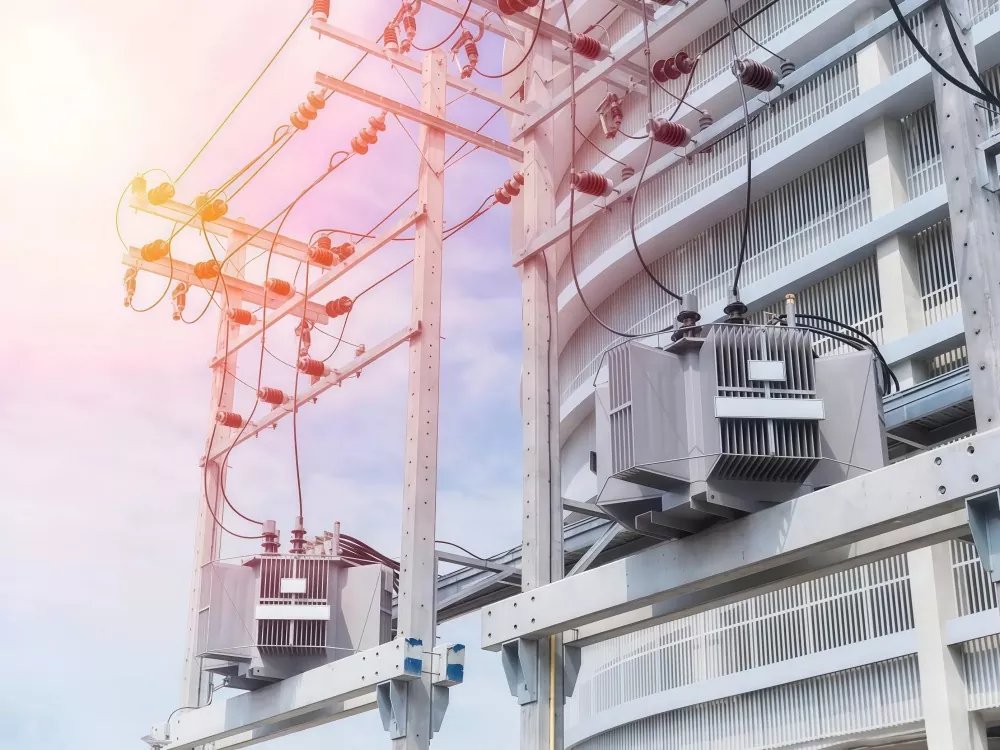
Essential Protection Devices
Differential Protection: Catches internal faults that develop inside the transformer windings or core.
Overcurrent Protection: Your first line against short circuits downstream and loads that run too high for too long.
Ground Fault Protection: The moment current leaves its intended route and heads to earth, this protection activates.
Breaker Failure Protection: A fallback that matters — should the main protection miss the call, this secondary layer picks up the slack and
isolates the fault.
Coordination Challenges
Running parallel transformers means a single fault shouldn't take down the whole setup. The protection logic has to single out the bad actor while letting the good unit soldier on. That takes coordination: the breaker closest to the trouble needs to act before anything upstream gets involved.
Setting Adjustments
Protection settings have to account for normal circulating current during operation. Set them too sensitive, and you'll face nuisance trips. Set them too high, and real faults might slip through without triggering protection. Striking the right balance takes experience — something our engineering team at GUANGBIAN factory in China works on daily with customers.
Common Issues and Solutions
Circulating Current
Problem: Transformers exchange current between them even with no external load connected.
Solution: Check that vector group configurations are in harmony and impedance values correspond. Calculate based on
the actual ratings of your transformers — circulating current that pushes past 5-10% of the rated figure means
something in the setup isn't right.
Load Imbalance
Problem: One transformer regularly takes on more load than it should.
Solution: Look at impedance pairing, tap settings, and how solid the connections are. Installing series reactors can
nudge the split back toward even.
Nuisance Tripping
Problem: Trips happen during everyday operation, especially when loads shift.
Solution: Check again whether the protection scheme is set up for proper coordination. Don't forget energization
inrush — that brief spike can hit 8-12x normal current.
Installation Best Practices
Stick to these steps when putting the system together:
Match cable length and specs across all parallel runs
Torque every connection to spec — don't guess
Test vector group configuration before applying power
Run a monitored load-share test before full handover
Keep a written record of settings and test data for later reference
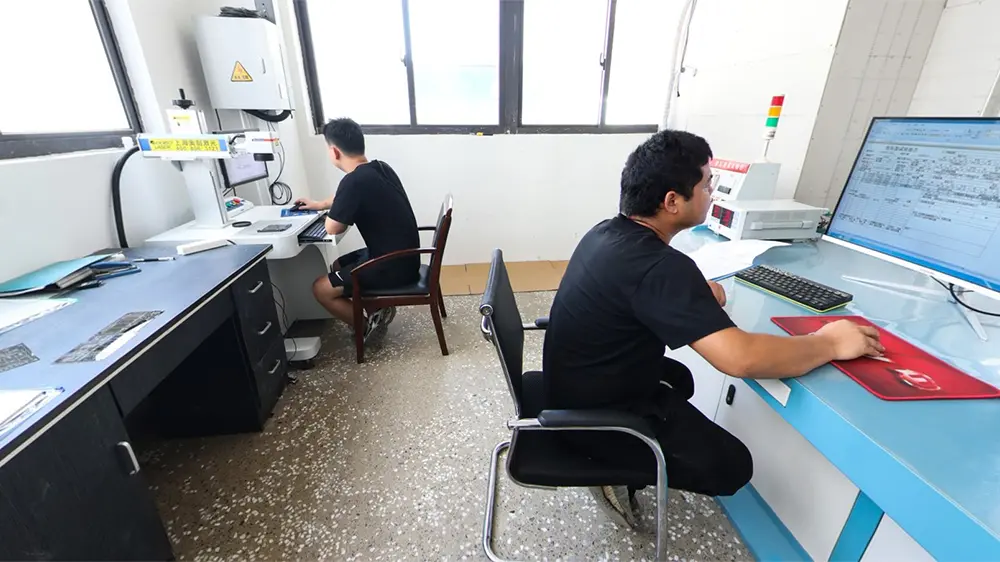
Our Factory
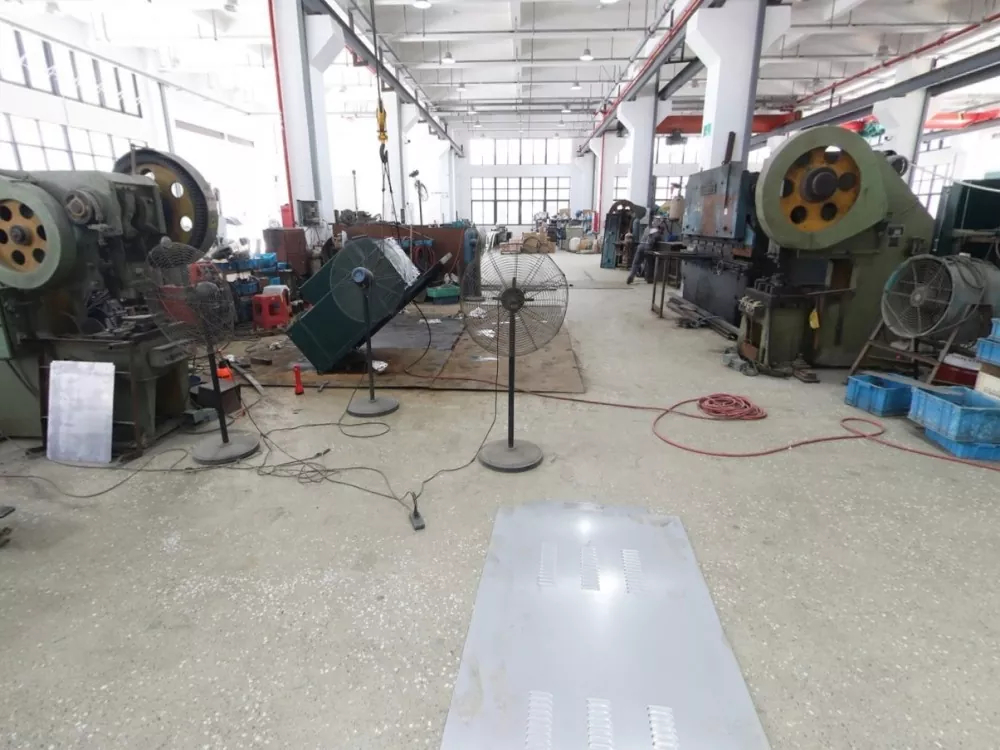
Sheet metal workshop
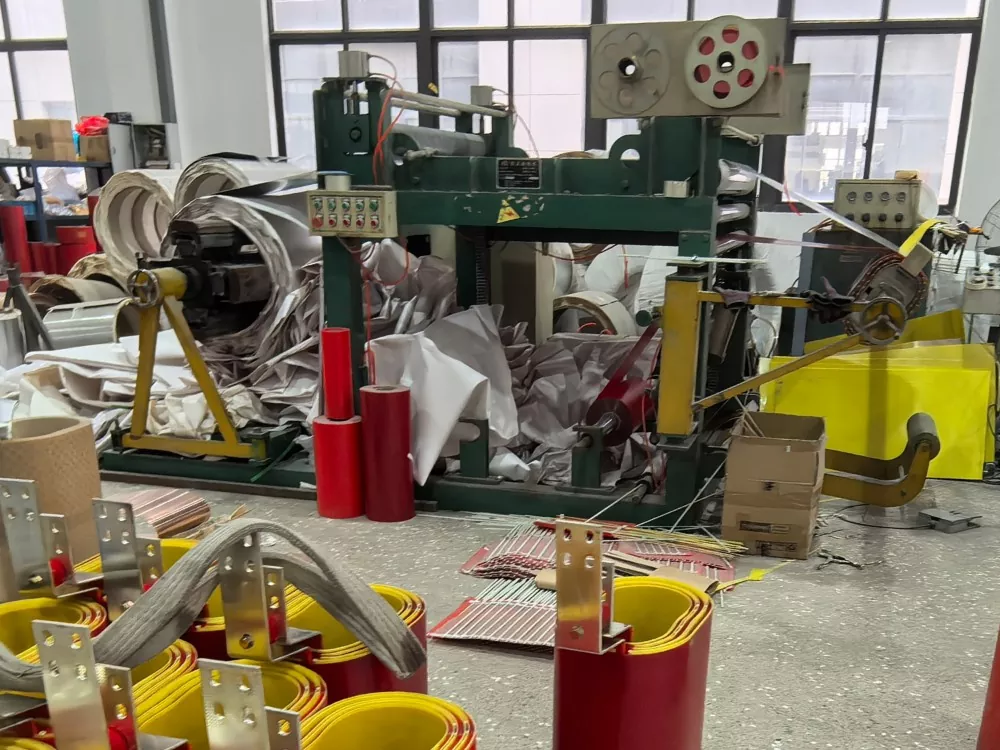
Foil winding workshop
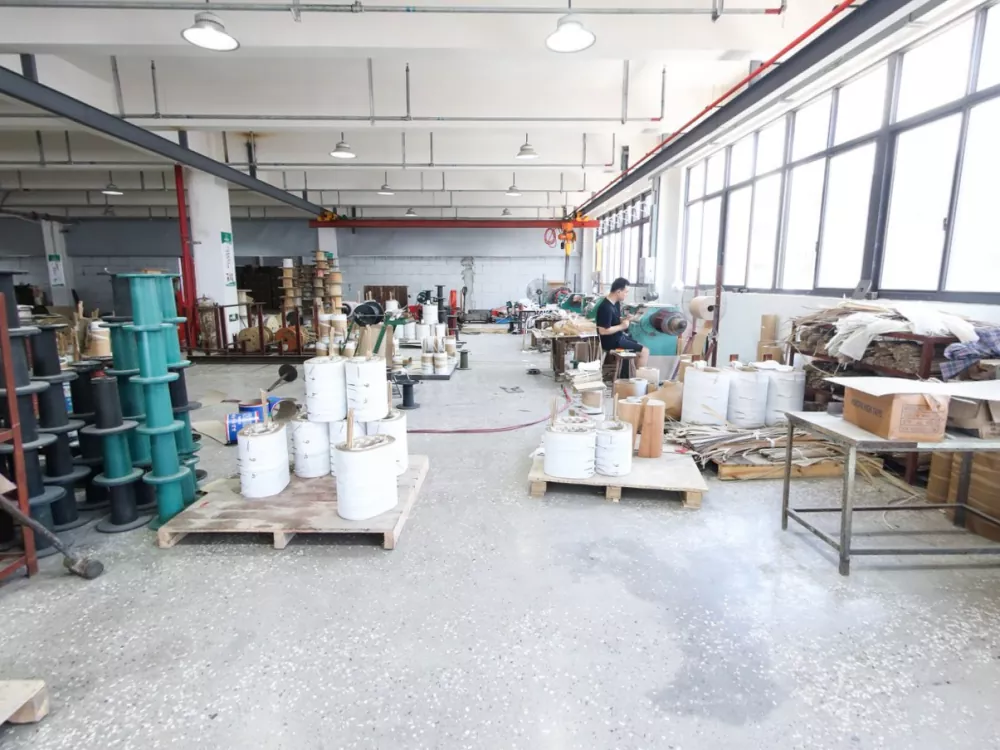
Winding workshop
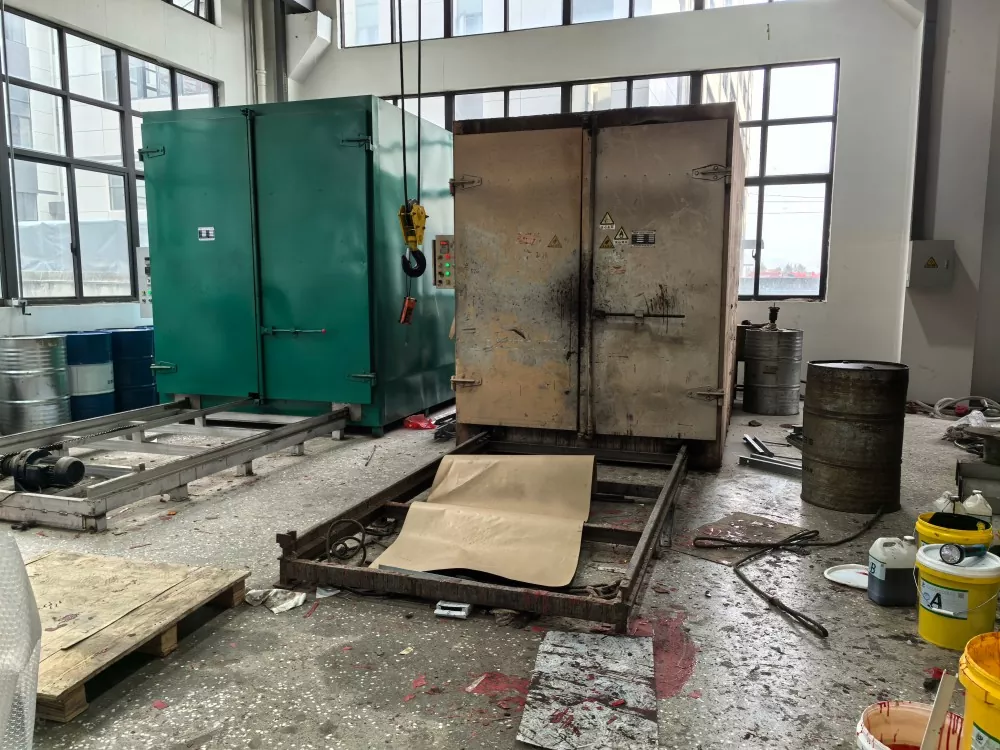
Winding oven workshop
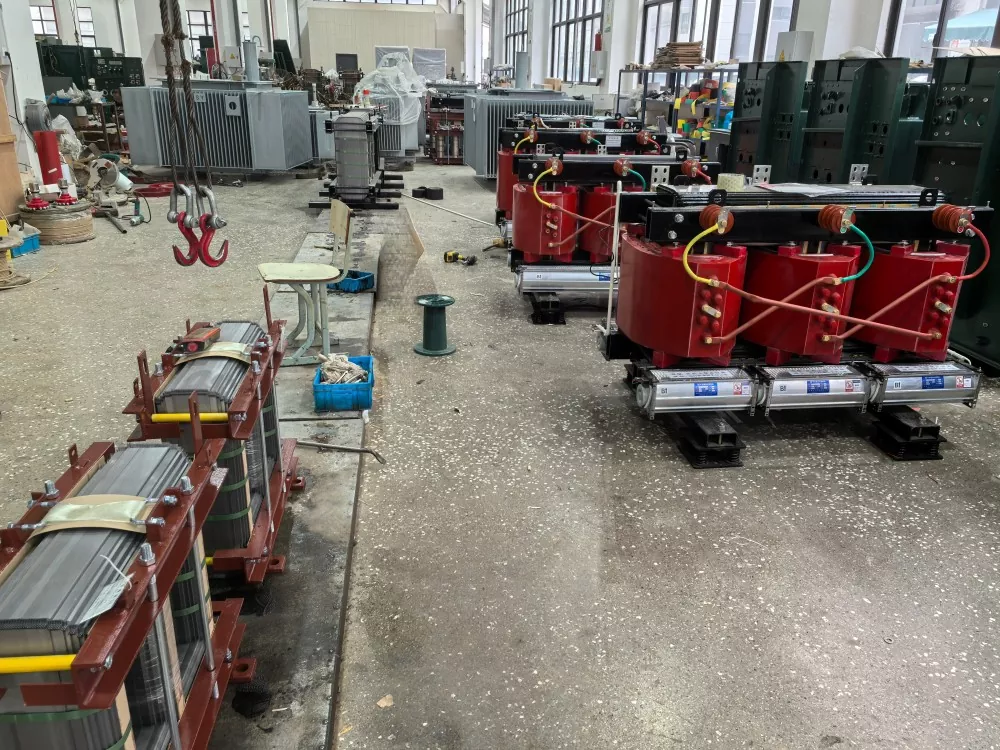
Transformer assembly workshop
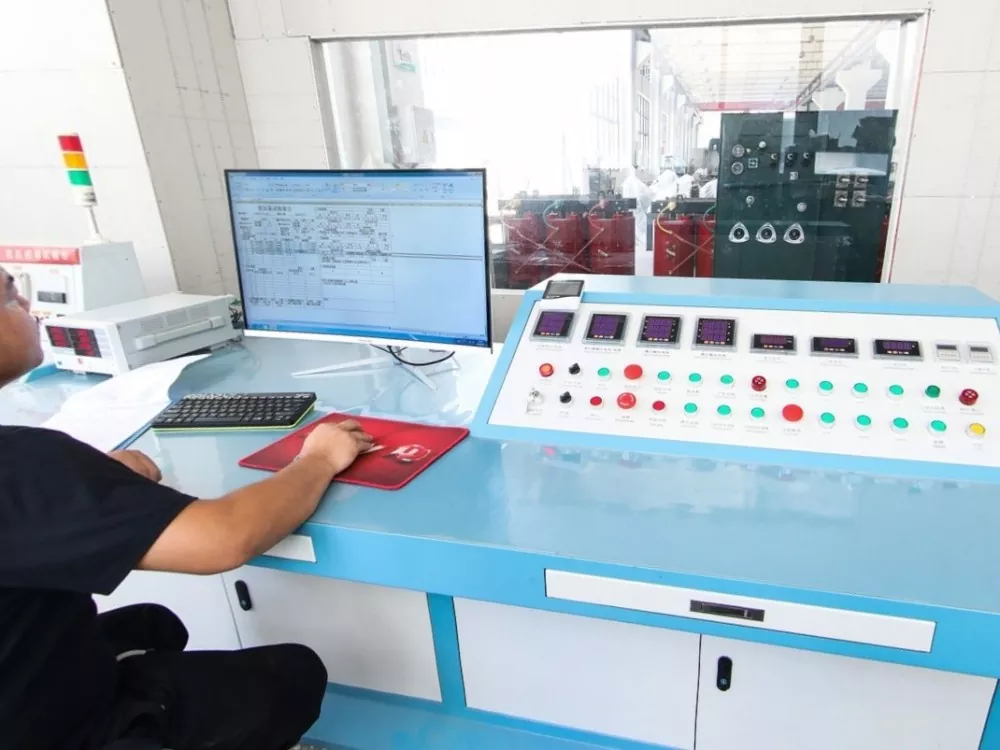
Transformer commissioning workshop
FAQ
Q1: Do parallel transformers need to be the same model?
Not necessarily, but they must match in voltage ratio, impedance, and vector group.
Q2: Can transformers with different capacities operate in parallel?
Yes, but the capacity ratio should generally not exceed 3:1 to ensure balanced load sharing.
Q3: Does parallel operation increase losses?
It may increase no-load losses under light load conditions, but overall efficiency improves due to flexible operation.
Q4: What is the most common issue in parallel operation?
Circulating currents, uneven load distribution, and phase mismatch.
Parallel Operation Transformer works well as a capacity expansion strategy - when the technical requirements get the attention they deserve. Getting vector groups aligned, impedance values matched, load distribution planned, and protection schemes coordinated - these pieces together make for a solid installation. Engineers who understand these requirements can confidently specify, install, and operate parallel transformer banks for years of reliable service. GUANGBIAN, a manufacturer with practical know-how from our China production facility, stands ready as a partner who understands what it takes to build systems that go the distance.
Hot Tags: Parallel Operation Transformer Manufacturer, Custom Parallel Transformers, Parallel Transformer Supplier
Related Category
Send Inquiry
Contact Info
-
Address
No. 8 Baoda Road, Liushitown, Yueqing City, Wenzhou City, Zhejiang Province,China
-
Tel
-
E-mail
For inquiries about Oil Immersed Transformer, Dry Type Transformer, Pole Mounted Transformer or price list, please leave your email to us and we will be in touch within 24 hours.