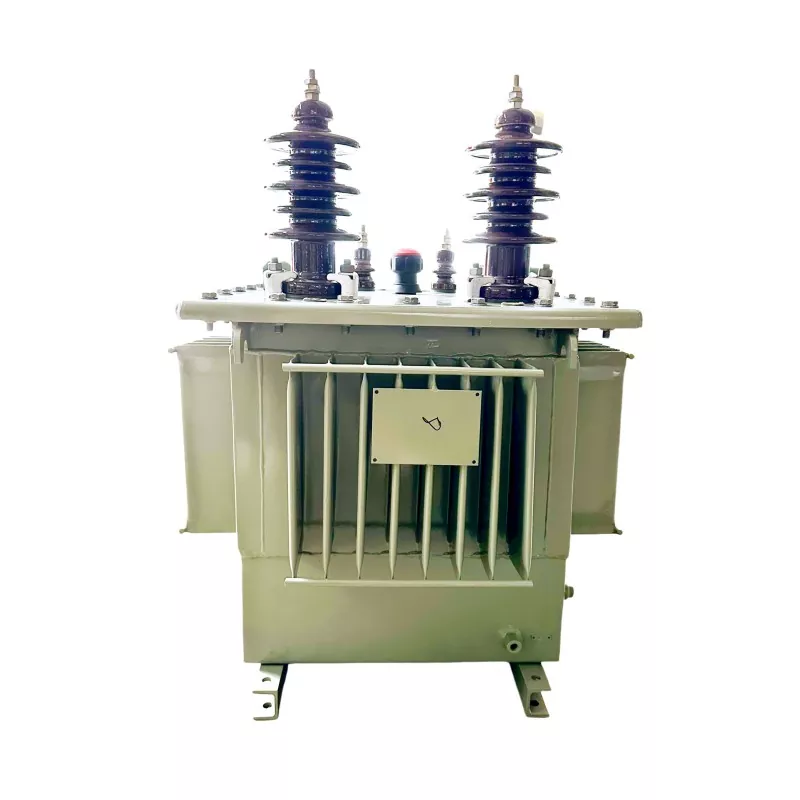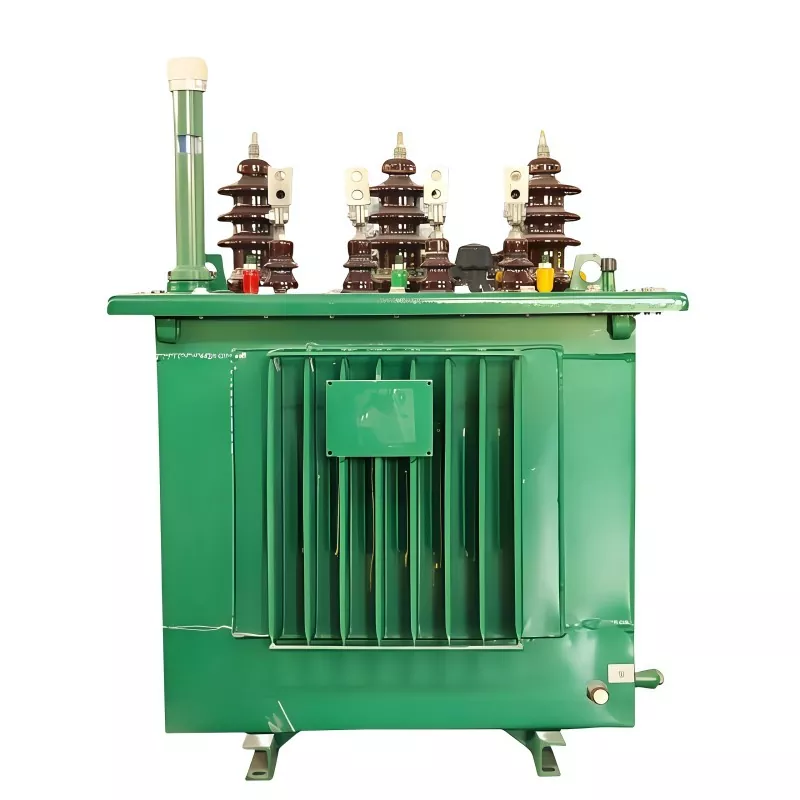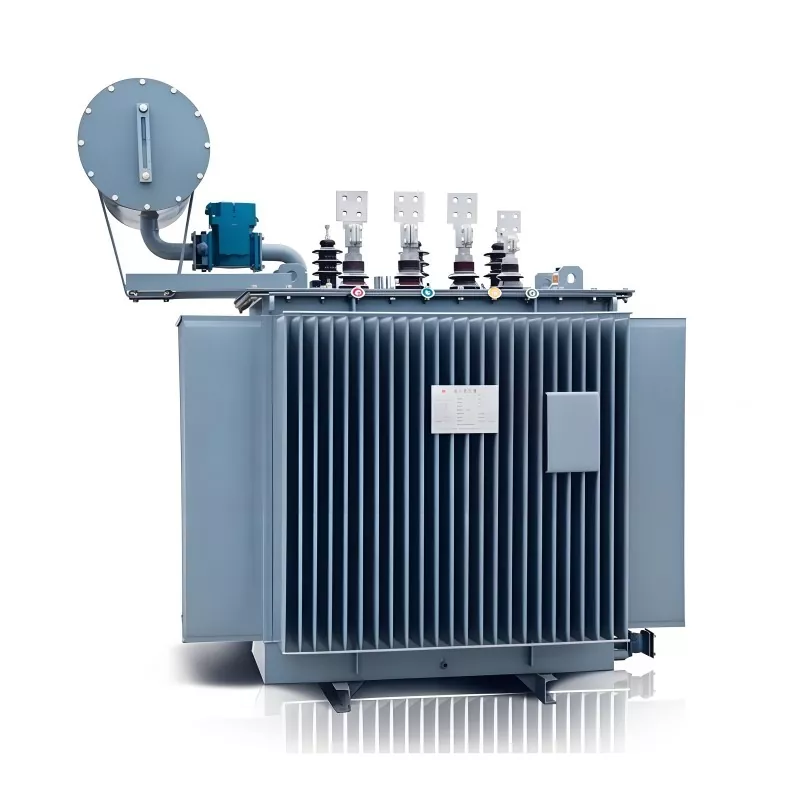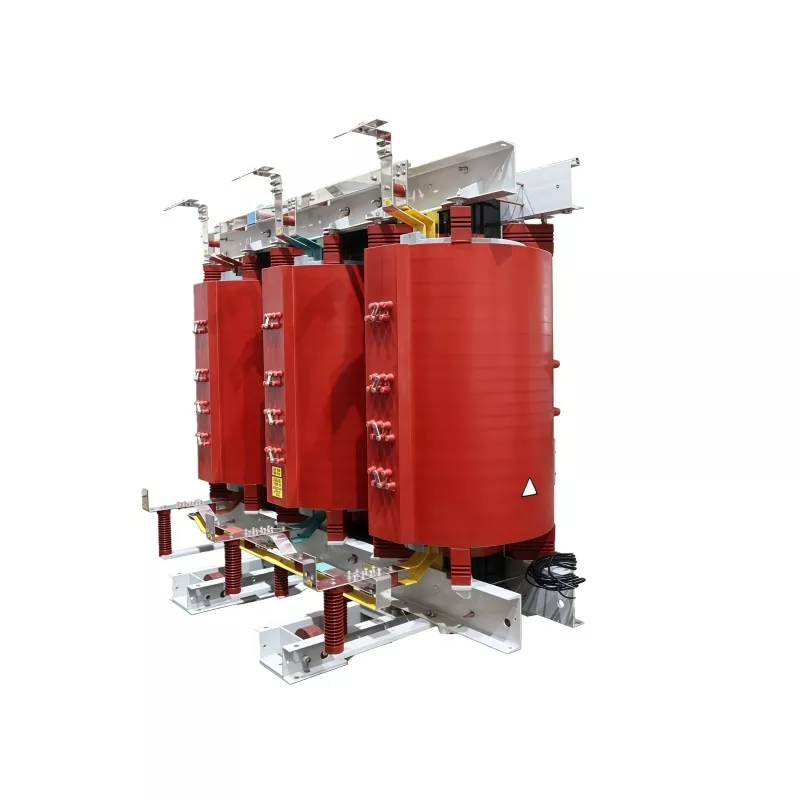

Article Summary: A properly configured isolation transformer can improve power distribution safety, voltage adaptation, and equipment protection in commercial and industrial electrical systems. The 50KVA Dry Type Isolation Transformer with MCCB combines transformer isolation, voltage conversion, integrated circuit-breaker protection, and practical installation features in one compact solution. With a 415V three-phase input, 220V three-phase four-wire output, copper windings, Class F insulation, five-position voltage taps, IP23 protection, and integrated MCCBs, this configuration is designed for applications where reliable power delivery and simplified installation are important.
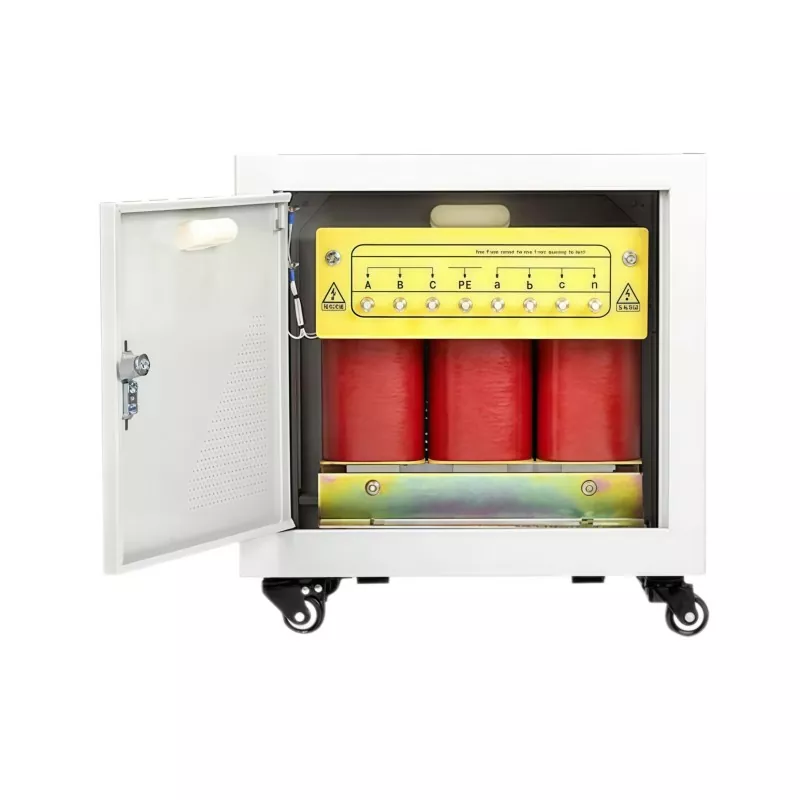
Table of Contents
Why Is a Dry Type Isolation Transformer Important?
How Does the MCCB Improve Transformer Protection?
What Are the Key Specifications?
How Does the Five-Position Tap Changer Improve Voltage Adaptability?
How Does the Integrated Design Simplify Installation?
Where Can a 50KVA Isolation Transformer Be Used?
How Is Transformer Quality Verified Before Delivery?
What Should Buyers Check Before Ordering?
Why Choose This Transformer Configuration?
Why Is a Dry Type Isolation Transformer Important?
Electrical equipment does not always operate under ideal power conditions. Voltage differences between the utility supply and downstream equipment, electrical disturbances, and the need for galvanic isolation can all influence system reliability. A dry type isolation transformer provides a practical way to adapt voltage while creating electrical separation between the primary and secondary circuits.
The 50KVA Dry Type Isolation Transformer with MCCB from GUANGBIAN is designed around a 415V AC three-phase input and a 220V three-phase four-wire output. This makes the unit suitable for applications that require a controlled 220V three-phase supply from a higher-voltage three-phase source.
Unlike oil-immersed transformers, dry type designs do not use insulating oil as their primary cooling and insulation medium. This can make them attractive for indoor electrical rooms, commercial facilities, manufacturing environments, and other locations where a clean and relatively straightforward installation is preferred.
How Does the MCCB Improve Transformer Protection?
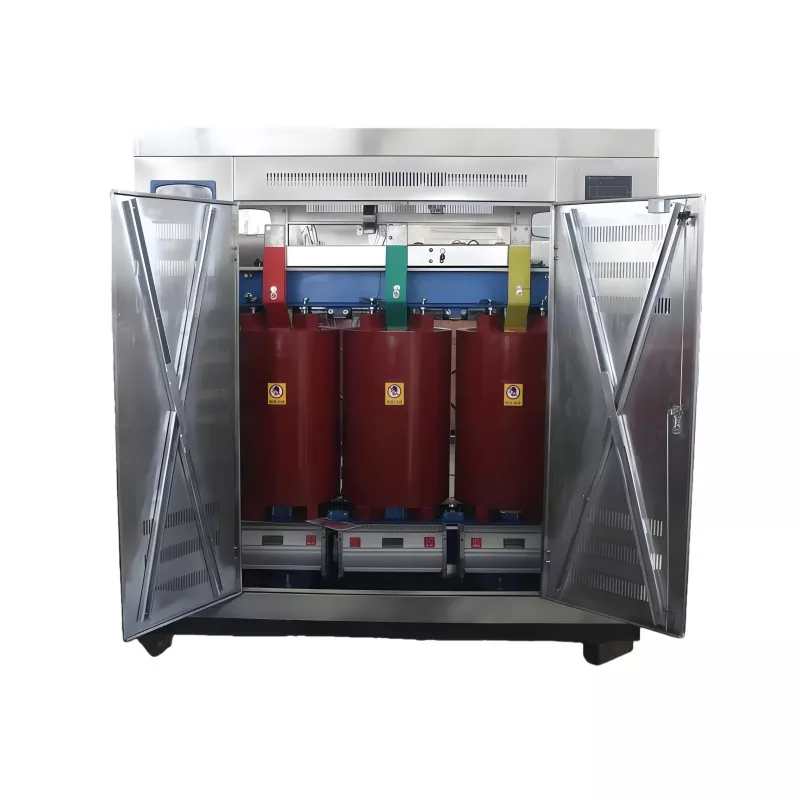
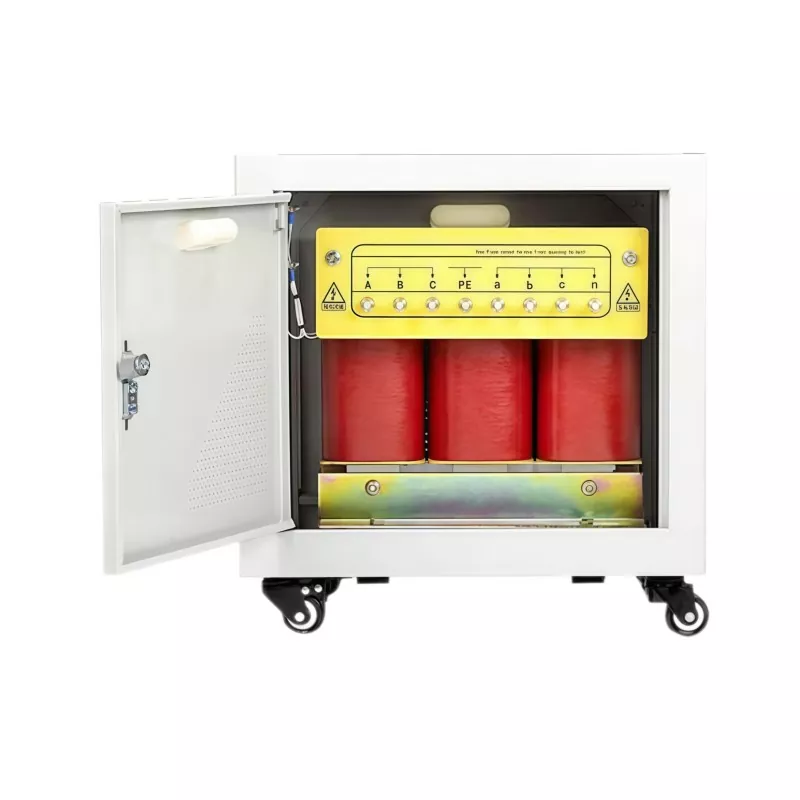
One of the most practical features of this transformer configuration is the integration of molded case circuit breakers (MCCBs). Instead of treating the transformer and protective equipment as completely separate components, the design incorporates the protection devices into the transformer enclosure.
The unit uses MCCBs on the input and output sides. The input-side breaker is connected to the 415V supply, while the output-side protection is arranged for the three-phase four-wire secondary circuit.
This integrated approach can provide several practical benefits:
- Reduces the need for additional external protection equipment.
- Helps simplify incoming and outgoing cable connections.
- Provides overcurrent and short-circuit protection for the associated circuits.
- Creates a more organized transformer installation.
- Can reduce wiring and installation work at the project site.
- Allows the transformer and protective devices to be configured as one coordinated assembly.
For industrial buyers, these details matter because installation complexity can influence project time, labor requirements, and commissioning efficiency.
What Are the Key Specifications?
Understanding the electrical configuration is essential before selecting a transformer. The following table summarizes the main specifications of this 50KVA configuration.
| Parameter | Specification |
|---|---|
| Rated Capacity | 50 KVA |
| Phase | 3 Phase |
| Input Voltage | 415V AC, 3 Phase |
| Output Voltage | 220V, 3 Phase 4 Wire |
| Tap Positions | 380V / 400V / 415V / 430V / 450V |
| Frequency | 50Hz |
| Winding Material | Copper |
| Insulation Class | Class F |
| Winding Temperature Rise | ≤100°C |
| Noise Level | <60dB at 1 meter |
| Enclosure Protection | IP23, Ventilated |
| Enclosure Material | Stainless Steel |
| Protection | MCCB on input and output sides |
| Monitoring | Mounted voltmeter |
The combination of these specifications makes the transformer suitable for projects where voltage conversion, electrical isolation, and integrated protection need to be considered together rather than purchased as unrelated components.
How Does the Five-Position Tap Changer Improve Voltage Adaptability?
Actual grid voltage can vary between locations and operating conditions. A transformer designed around only one fixed primary voltage may therefore require additional consideration when installed in an area where the supply voltage differs from the nominal value.
This model provides five primary voltage tap positions: 380V, 400V, 415V, 430V, and 450V. The tap changer gives the installation team greater flexibility when matching the transformer to the available supply.
For example, when the actual supply conditions differ from the standard 415V input, an appropriate tap can be selected to help maintain the intended secondary voltage. This feature is particularly useful for projects where supply voltage conditions need to be considered during transformer selection.
However, the tap changer is a de-energized type. The transformer must be fully powered off before changing the tap position. It should never be adjusted while the transformer is energized.
How Does the Integrated Design Simplify Installation?
Transformer installation is not only about electrical specifications. Cable routing, protective equipment, accessibility, enclosure construction, and commissioning can all affect the final project result.
The integrated MCCB configuration reduces the amount of separate equipment that may otherwise be required around the transformer. Factory wiring between the transformer and its protective breakers can also help reduce the amount of field wiring required during installation.
The stainless-steel enclosure is ventilated and rated IP23. The unit also uses lockable swivel casters with brakes, which can make positioning and movement more convenient during installation or maintenance activities.
A front-mounted voltmeter provides a straightforward way to observe voltage at the low-voltage compartment. This is useful during commissioning and routine inspection because operators can check the indicated voltage without requiring a separate external metering arrangement.
Where Can a 50KVA Isolation Transformer Be Used?
A 50KVA capacity is appropriate for many medium-scale electrical applications where a controlled three-phase supply is required. Actual suitability should always be confirmed against the connected load, starting current, duty cycle, environmental conditions, and local electrical requirements.
Typical application environments can include:
- Industrial production facilities
- Commercial buildings
- Factory electrical rooms
- Automation and control systems
- Machinery power supplies
- Equipment requiring electrical isolation
- Workshops and processing facilities
- Electrical distribution systems requiring 415V-to-220V conversion
For projects with sensitive equipment, the transformer should be evaluated as part of the complete power-distribution system rather than considered as an isolated component.
How Is Transformer Quality Verified Before Delivery?
Transformer performance depends heavily on winding quality, insulation integrity, electrical ratio accuracy, and overall manufacturing consistency. For this reason, testing should be an important part of supplier evaluation.
According to the product information, GUANGBIAN uses an integrated transformer test bench before shipment. The testing process includes checks related to winding resistance, turns ratio, insulation resistance, no-load losses, and voltage regulation.
The manufacturing process also follows IEC-based testing requirements for shipped units. A documented testing approach gives buyers useful technical evidence when reviewing equipment before installation.
For customized orders, buyers can also discuss inspection requirements and project-specific specifications with the manufacturer before production. This is particularly important when the transformer must satisfy a particular installation environment or electrical system configuration.
What Should Buyers Check Before Ordering?
Selecting a transformer based only on its KVA rating can lead to an unsuitable configuration. Procurement teams should review the complete electrical and mechanical requirements before confirming an order.
Key points to verify include:
- Primary voltage: Confirm the available supply voltage and phase configuration.
- Secondary voltage: Verify that the output voltage matches the connected equipment.
- Load capacity: Calculate the expected continuous and peak load rather than relying only on nominal equipment ratings.
- Frequency: Confirm whether the project requires 50Hz, 60Hz, or another frequency.
- Protection: Check MCCB specifications and determine whether additional upstream or downstream protection is required by local regulations.
- Installation environment: Confirm whether IP23 protection is sufficient for the intended location.
- Voltage adjustment: Consider whether a multi-position tap changer is beneficial for the local grid conditions.
- Documentation: Request technical drawings, test reports, wiring information, and other documents required for project approval.
For international projects, it is also useful to clarify shipping dimensions, packaging, installation requirements, applicable standards, and commissioning procedures before production begins.
Frequently Asked Questions
Can the tap changer be adjusted while the transformer is operating?
No. The tap changer is a de-energized type and must only be adjusted after the transformer has been completely powered off. Proper electrical safety procedures should always be followed before changing the tap position.
Does the transformer include MCCBs on both sides?
Yes. This configuration integrates MCCBs into the transformer enclosure, with protection provided on the input and output sides. The exact breaker arrangement should be confirmed against the project electrical requirements before ordering.
Is a separate distribution box still required?
In many installations, the integrated MCCBs can reduce the need for a separate protection enclosure. However, local electrical codes and the overall distribution design may require additional protection or switching equipment.
Is this 50KVA transformer suitable for outdoor installation?
The enclosure is rated IP23 and is intended for indoor or suitably covered locations. For fully exposed outdoor environments involving heavy rain, dust, or other severe conditions, a higher enclosure protection level may be more appropriate.
What type of winding material is used?
The transformer uses copper windings. Copper is widely selected for transformer windings because of its electrical conductivity and suitability for reliable power transmission.
Can the transformer be customized?
Yes. Transformer configurations can be discussed according to project requirements, including electrical parameters, protection arrangements, tap settings, enclosure requirements, and other application-specific considerations.
Why Choose This Transformer Configuration?
A well-designed transformer should do more than convert voltage. It should fit the electrical system, simplify installation, provide appropriate protection, and remain practical for long-term operation. The 50KVA Dry Type Isolation Transformer with MCCB combines 50KVA three-phase capacity, 415V-to-220V voltage conversion, copper windings, Class F insulation, five-position voltage adjustment, integrated MCCBs, IP23 stainless-steel enclosure construction, voltage monitoring, and factory testing into one engineered solution.
For buyers looking for a China transformer manufacturer capable of supplying customized dry type isolation transformer solutions, GUANGBIAN provides a practical option for projects that require integrated protection and application-specific configurations. If you are evaluating specifications, planning a new electrical installation, or comparing transformer suppliers, review the 50KVA Dry Type Isolation Transformer with MCCB and discuss your project requirements directly with the manufacturer. For voltage specifications, MCCB configuration, enclosure requirements, testing documents, or customized transformer solutions, contact us to receive technical guidance and a solution matched to your application.