English
- English
- Español
- Português
- русский
- Français
- 日本語
- Deutsch
- tiếng Việt
- Italiano
- Nederlands
- ภาษาไทย
- Polski
- 한국어
- Svenska
- magyar
- Malay
- বাংলা ভাষার
- Dansk
- Suomi
- हिन्दी
- Pilipino
- Türkçe
- Gaeilge
- العربية
- Indonesia
- Norsk
- تمل
- český
- ελληνικά
- український
- Javanese
- فارسی
- தமிழ்
- తెలుగు
- नेपाली
- Burmese
- български
- ລາວ
- Latine
- Қазақша
- Euskal
- Azərbaycan
- Slovenský jazyk
- Македонски
- Lietuvos
- Eesti Keel
- Română
- Slovenski
- मराठी
- Srpski језик

How Can Dry Type Transformer Improve Power Safety and Efficiency?
Article Summary
Dry Type Transformer technology has become an important solution for modern power distribution systems that require higher safety, reliability, and environmental protection. Unlike traditional oil immersed transformers, dry type transformers use solid insulation materials and air cooling methods, eliminating the risks associated with transformer oil leakage and fire hazards. This article explains how Dry Type Transformer systems help industries solve common power management challenges, including safety concerns, maintenance costs, space limitations, and environmental requirements.
From commercial buildings and industrial facilities to renewable energy projects and infrastructure applications, selecting the right transformer technology directly affects operational stability. This guide explores the working principles, key advantages, application areas, selection factors, and maintenance practices of Dry Type Transformer solutions to help customers make informed decisions.
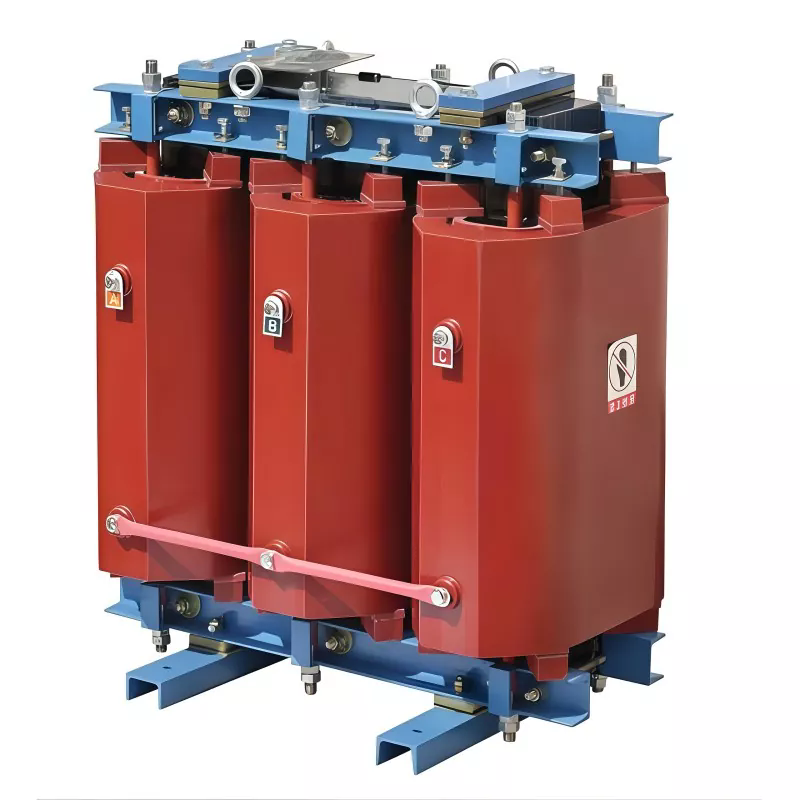
Table of Contents
- 1. Introduction to Dry Type Transformer Technology
- 2. What Problems Can Dry Type Transformers Solve?
- 3. Main Advantages of Using Dry Type Transformer
- 4. Where Are Dry Type Transformers Commonly Used?
- 5. How to Select the Right Dry Type Transformer?
- 6. Maintenance Tips for Long-Term Transformer Performance
- 7. Dry Type Transformer vs Oil Immersed Transformer
- 8. Frequently Asked Questions About Dry Type Transformer
Article Outline
- Understanding the structure and operation of Dry Type Transformer
- Identifying customer challenges in power distribution systems
- Exploring safety, efficiency, and environmental benefits
- Choosing suitable transformer solutions for different industries
- Maintaining stable transformer operation throughout its service life
1. Introduction to Dry Type Transformer Technology
A transformer is a critical component in electrical power systems, responsible for converting voltage levels and ensuring efficient electricity distribution. With increasing demands for safer and cleaner power solutions, Dry Type Transformer technology has become widely adopted across many industries.
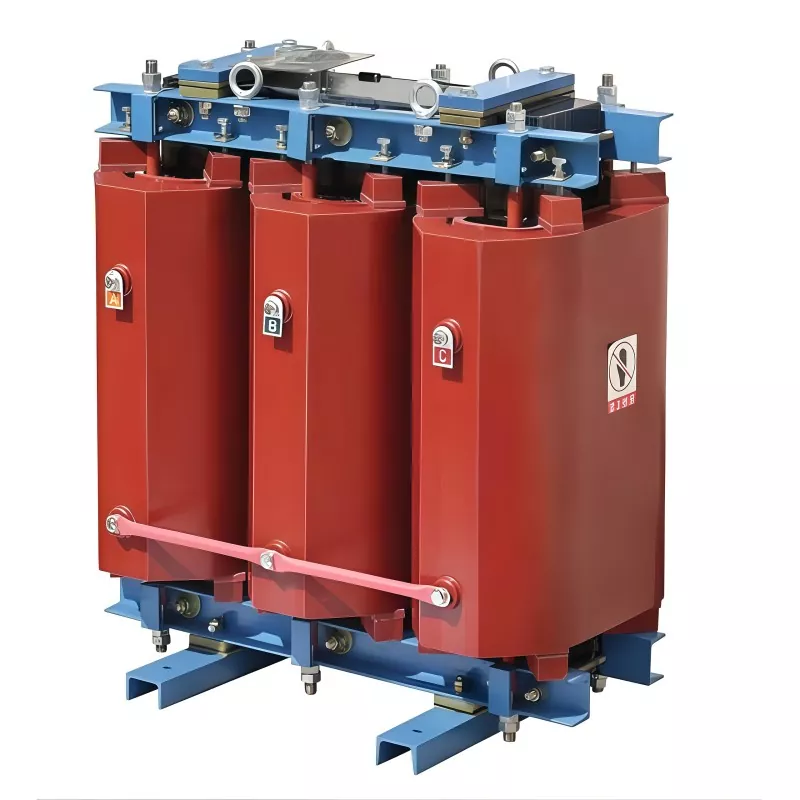
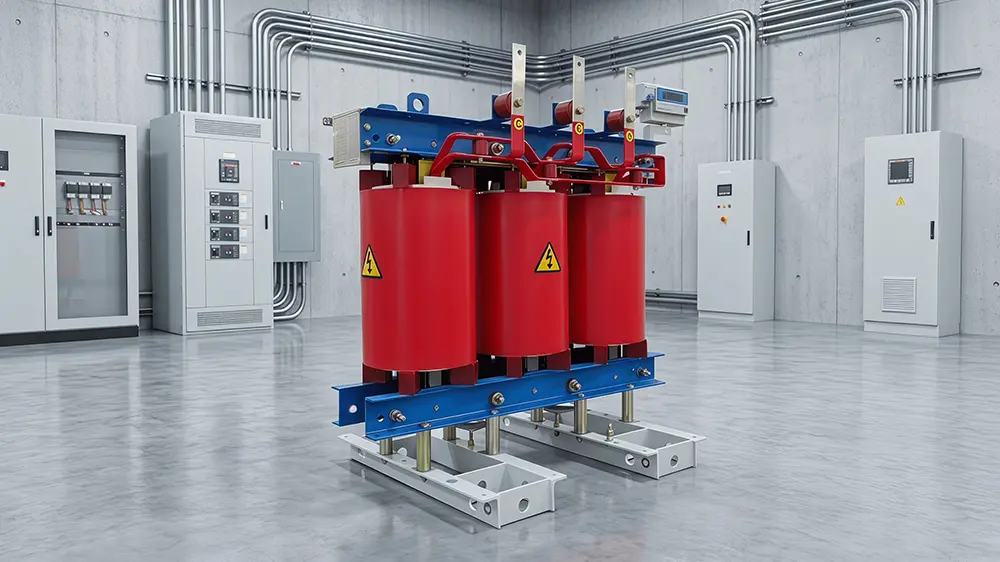
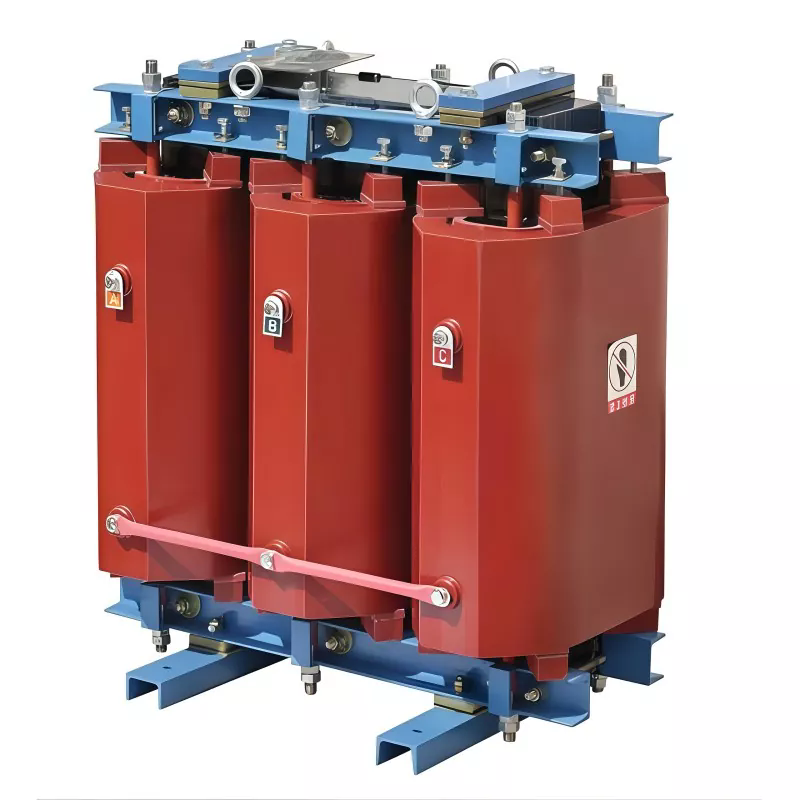
A Dry Type Transformer uses solid insulation materials instead of liquid insulation oil. The windings are commonly protected with epoxy resin or other advanced insulation systems, while cooling is achieved through natural air circulation or forced air ventilation. This design provides reliable electrical performance while reducing risks related to oil leakage and flammable materials.
GUANGBIAN provides professional transformer solutions designed to meet different industrial and commercial power requirements. Through advanced manufacturing technology and strict quality control, Dry Type Transformer products are developed to deliver stable performance, long service life, and dependable power distribution.
2. What Problems Can Dry Type Transformers Solve?
Many customers face challenges when managing traditional power systems. Transformer selection directly influences safety, operating costs, and equipment reliability. Dry Type Transformer solutions address several common problems.
- Fire Safety Concerns: Oil filled transformers contain insulating oil that may create fire risks under certain conditions. Dry type designs remove the need for transformer oil, making them suitable for locations where fire protection is a priority.
- Environmental Protection Requirements: Oil leakage can damage surrounding environments and increase cleanup costs. Dry Type Transformer systems avoid oil leakage risks and support environmentally responsible power management.
- Limited Installation Space: Many modern buildings require compact electrical equipment installations. Dry type transformers can be installed indoors without special oil containment facilities.
- High Maintenance Costs: Oil testing, leakage inspection, and oil replacement increase maintenance workload. Dry transformers require simpler maintenance procedures.
For industries seeking reliable electricity distribution with fewer operational risks, Dry Type Transformer technology provides an effective alternative.
3. Main Advantages of Using Dry Type Transformer
| Advantage | Description |
|---|---|
| Enhanced Safety | No insulating oil means lower fire risk and safer operation in sensitive environments. |
| Environmental Friendly Design | Eliminates oil leakage problems and reduces environmental impact. |
| Low Maintenance Requirement | Solid insulation structure reduces routine maintenance workload. |
| Flexible Installation | Suitable for indoor applications including buildings, factories, and commercial facilities. |
| Stable Performance | Advanced insulation technology ensures reliable electrical operation. |
One of the biggest advantages of Dry Type Transformer is its ability to provide dependable power distribution while meeting modern safety standards. This makes it particularly valuable in environments where continuous electricity supply is essential.
4. Where Are Dry Type Transformers Commonly Used?
Dry Type Transformer systems are widely used in applications where safety, reliability, and environmental performance are important. Typical applications include:
- Commercial Buildings: Shopping centers, office buildings, and hotels require safe indoor power distribution solutions.
- Industrial Facilities: Manufacturing plants use transformers to support stable production operations.
- Hospitals: Medical facilities need reliable electrical systems with high safety standards.
- Data Centers: Continuous power availability makes transformer reliability essential.
- Renewable Energy Projects: Solar and wind power systems often require efficient voltage conversion equipment.
- Transportation Infrastructure: Airports, rail systems, and public facilities benefit from safe transformer installation.
Because of its excellent adaptability, Dry Type Transformer has become an important choice for modern electrical infrastructure development.
5. How to Select the Right Dry Type Transformer?
Choosing the correct transformer requires careful evaluation of electrical requirements, installation conditions, and future operating demands. Customers should consider the following factors:
- Rated Capacity: Select transformer capacity according to current power consumption and possible future expansion.
- Voltage Requirements: Confirm input and output voltage levels to ensure compatibility with the electrical system.
- Installation Environment: Consider temperature, humidity, ventilation conditions, and available installation space.
- Insulation Class: Choose suitable insulation materials according to operating conditions and safety requirements.
- Efficiency Performance: High efficiency transformers can reduce energy losses and long-term operating expenses.
Working with an experienced transformer manufacturer helps customers avoid incorrect selection and ensures better system performance.
6. Maintenance Tips for Long-Term Transformer Performance
Although Dry Type Transformer requires less maintenance than oil immersed alternatives, regular inspections are still necessary to maintain reliable operation.
- Check transformer temperature regularly to prevent overheating.
- Keep ventilation areas clean and unobstructed.
- Inspect insulation surfaces for dust accumulation or damage.
- Monitor abnormal noise or vibration during operation.
- Perform electrical testing according to operational requirements.
Proper maintenance extends transformer service life and helps prevent unexpected power interruptions.
7. Dry Type Transformer vs Oil Immersed Transformer
| Feature | Dry Type Transformer | Oil Immersed Transformer |
|---|---|---|
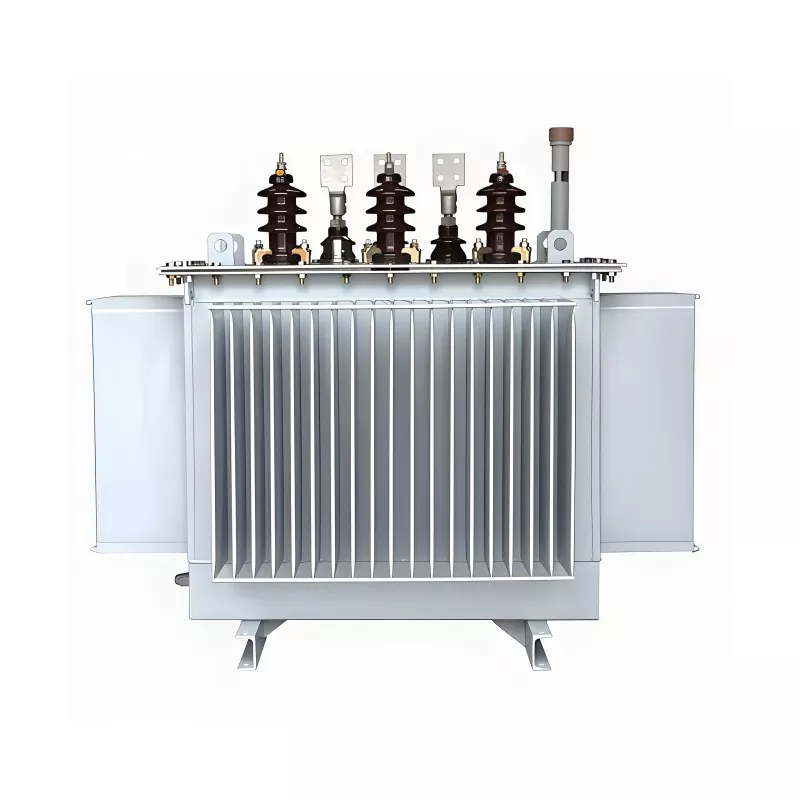
| Cooling Method | Air cooling | Oil cooling |
| Fire Risk | Lower risk due to no oil | Higher consideration due to oil usage |
| Installation | Suitable for indoor environments | Often requires additional safety arrangements |
| Maintenance | Relatively simple | Requires oil inspection and maintenance |
| Environmental Impact | Reduced leakage concerns | Potential oil leakage concerns |
Both transformer types have specific applications, but Dry Type Transformer is increasingly preferred for projects requiring enhanced safety and environmental protection.
8. Frequently Asked Questions About Dry Type Transformer
Q1: What is a Dry Type Transformer?
A Dry Type Transformer is an electrical transformer that uses solid insulation materials instead of liquid insulation oil. It transfers electrical energy through electromagnetic induction while using air-based cooling methods.
Q2: Why are Dry Type Transformers safer?
Because they do not contain transformer oil, Dry Type Transformers reduce risks related to oil leakage and fire hazards, making them suitable for indoor and safety-sensitive applications.
Q3: Can Dry Type Transformers be installed indoors?
Yes. Their compact structure and oil-free design make them suitable for indoor installations such as commercial buildings, factories, and infrastructure facilities.
Q4: How long can a Dry Type Transformer operate?
With proper selection, installation, and maintenance, Dry Type Transformers can provide reliable operation for many years.
Q5: How can customers choose a reliable transformer supplier?
Customers should evaluate manufacturing experience, product quality standards, technical support capabilities, and after-sales service when selecting a transformer supplier.
Conclusion
Dry Type Transformer technology provides a safer, cleaner, and more reliable solution for modern power distribution systems. By eliminating oil-related risks, reducing maintenance requirements, and supporting flexible installation, it helps businesses improve electrical system performance while controlling long-term operational costs.
GUANGBIAN focuses on delivering dependable transformer solutions that support industrial, commercial, and infrastructure power applications. With professional manufacturing capabilities and customer-oriented service, GUANGBIAN helps clients build more efficient and secure electrical systems.
If you are looking for a reliable Dry Type Transformer solution customized for your project requirements, please contact us today. GUANGBIAN is ready to provide professional support and high-quality transformer products to meet your power distribution needs. Contact us now for more details and a suitable solution.
Related News
- How Does a 75KVA Pole-Mounted Transformer Improve Power Distribution?
- How Does a 50KVA Pole-Mounted Transformer Provide Reliable Power Distribution?
- How Can You Choose the Right Replacement Oil Immersed Transformer for Reliable Power Performance?
- How Dry Type Transformer Works and Why It Is a Reliable Choice for Modern Power Systems
- How Does a 1000kVA 12470V Dry Type Transformer Improve Power Distribution Safety?
- How Does a 50KVA Pole-Mounted Transformer Improve Power Distribution Efficiency?
Leave me a message