English
- English
- Español
- Português
- русский
- Français
- 日本語
- Deutsch
- tiếng Việt
- Italiano
- Nederlands
- ภาษาไทย
- Polski
- 한국어
- Svenska
- magyar
- Malay
- বাংলা ভাষার
- Dansk
- Suomi
- हिन्दी
- Pilipino
- Türkçe
- Gaeilge
- العربية
- Indonesia
- Norsk
- تمل
- český
- ελληνικά
- український
- Javanese
- فارسی
- தமிழ்
- తెలుగు
- नेपाली
- Burmese
- български
- ລາວ
- Latine
- Қазақша
- Euskal
- Azərbaycan
- Slovenský jazyk
- Македонски
- Lietuvos
- Eesti Keel
- Română
- Slovenski
- मराठी
- Srpski језик

How Dry Type Transformer Works and Why It Is a Reliable Choice for Modern Power Systems
Article Summary
A dry type transformer is an essential electrical device designed to provide safe, efficient, and environmentally friendly voltage transformation without using liquid insulation. As industries, commercial buildings, renewable energy projects, and infrastructure systems demand higher safety standards, dry type transformers have become an increasingly popular solution.
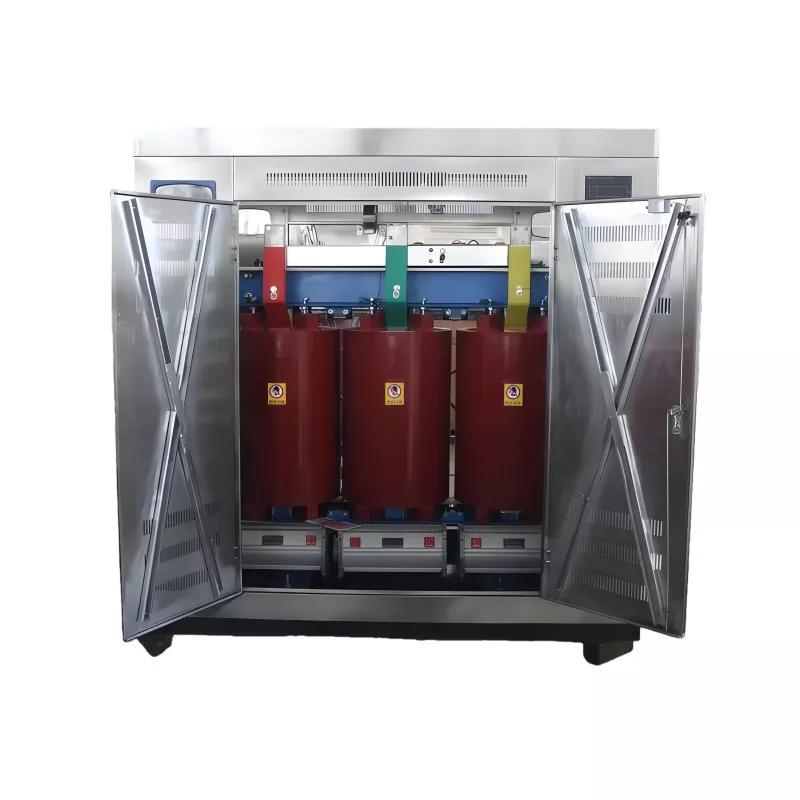
This article explains how dry type transformers work, their main components, advantages, applications, maintenance requirements, and how businesses can select the right transformer for their specific needs. With professional manufacturing experience, GUANGBIAN provides reliable dry type transformer solutions designed to improve power distribution safety, efficiency, and long-term operational stability.
Table of Contents
- 1. What Is a Dry Type Transformer?
- 2. How Dry Type Transformer Works
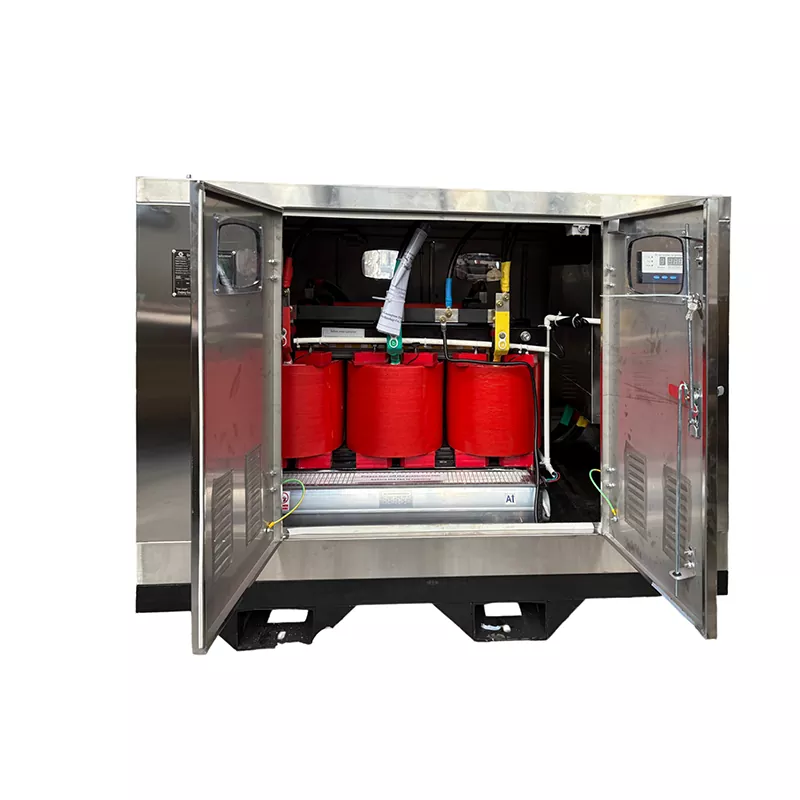
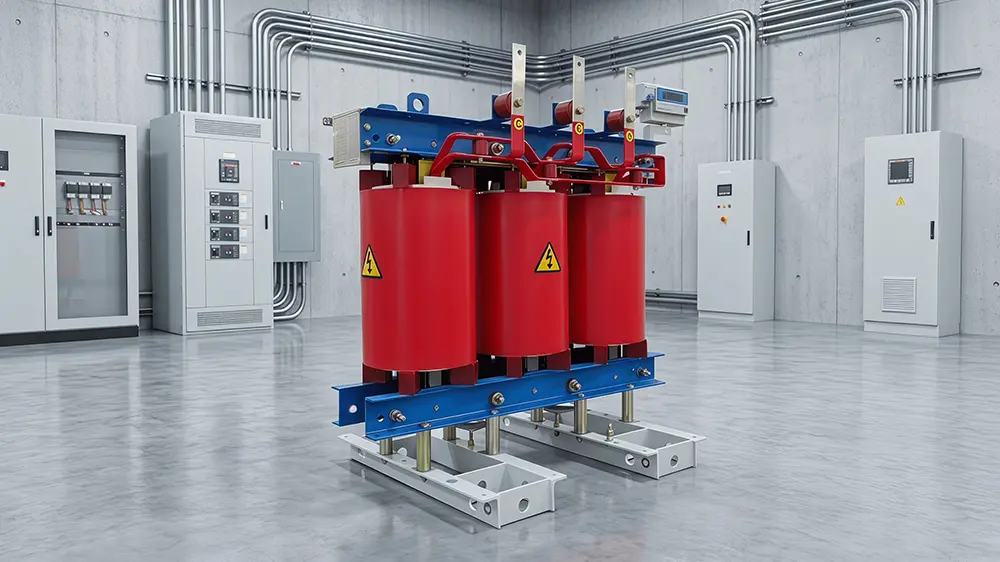
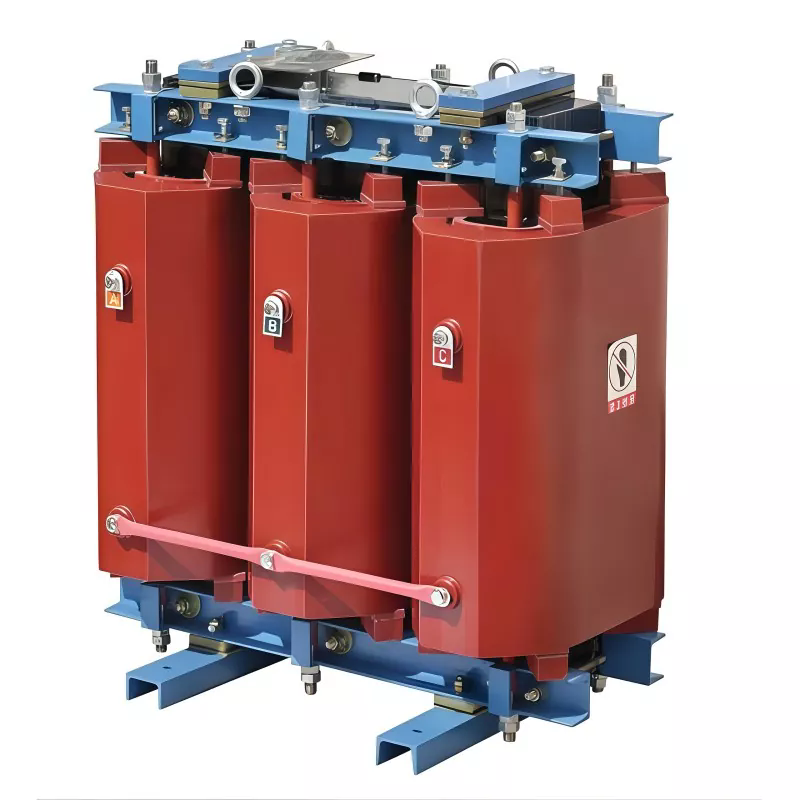
- 3. Main Structure and Components of Dry Type Transformer
- 4. Why Choose Dry Type Transformer for Power Applications?
- 5. Common Applications of Dry Type Transformer
- 6. How to Select the Right Dry Type Transformer
- 7. Maintenance Tips to Extend Transformer Service Life
- 8. Dry Type Transformer vs Oil Immersed Transformer
- 9. Frequently Asked Questions
1. What Is a Dry Type Transformer?
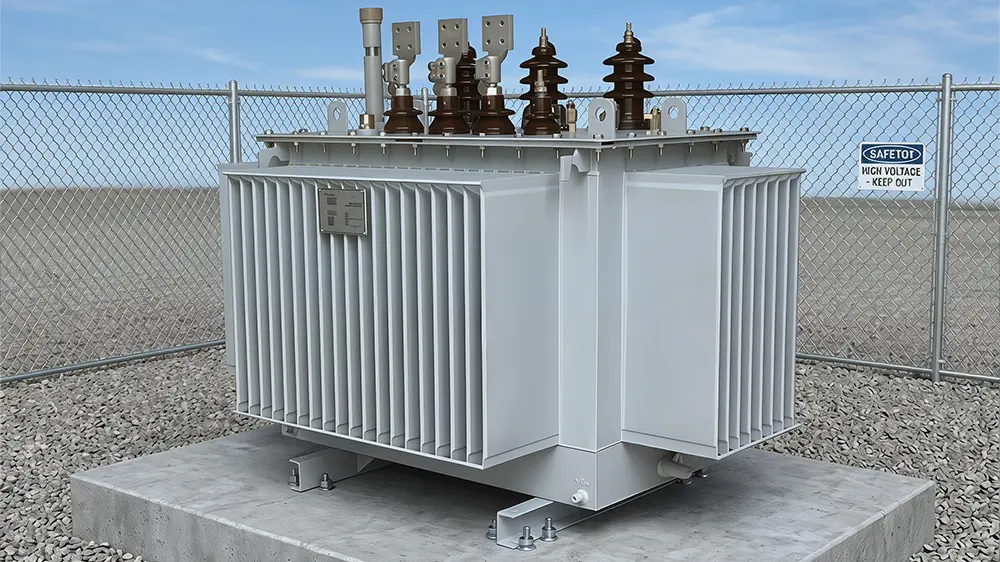
A dry type transformer is an electrical transformer that uses air or solid insulation materials instead of liquid insulation oil. It transfers electrical energy between circuits through electromagnetic induction while maintaining a high level of safety and reliability.
Unlike traditional oil-filled transformers, dry type transformers do not require transformer oil for cooling and insulation. This design eliminates risks related to oil leakage, fire hazards, and environmental contamination, making them suitable for locations where safety and cleanliness are critical.
Modern dry type transformers are commonly manufactured with advanced insulation systems, high-quality magnetic cores, and optimized winding structures. These features allow them to operate efficiently in demanding environments while reducing maintenance requirements.
2. How Dry Type Transformer Works
The working principle of a dry type transformer is based on electromagnetic induction. When alternating current flows through the primary winding, it creates a changing magnetic field inside the transformer core. This magnetic field induces voltage in the secondary winding, allowing electrical energy to be transferred at a different voltage level.
The operation process includes several important steps:
- Step 1: Electrical energy enters the primary winding at the input voltage level.
- Step 2: The winding generates a magnetic flux inside the transformer core.
- Step 3: The magnetic flux passes through the core and induces voltage in the secondary winding.
- Step 4: The transformed electrical energy is delivered to connected equipment.
The insulation system protects the windings and prevents electrical faults. Heat generated during operation is naturally dissipated through air circulation or enhanced cooling systems depending on the transformer design.
3. Main Structure and Components of Dry Type Transformer
Understanding the internal structure of a dry type transformer helps users evaluate performance, reliability, and maintenance requirements.
| Component | Function |
|---|---|
| Iron Core | Provides a magnetic path and improves energy transfer efficiency. |
| High Voltage Winding | Receives input voltage and creates magnetic flux. |
| Low Voltage Winding | Outputs transformed electrical power to connected systems. |
| Insulation System | Prevents electrical breakdown and improves operational safety. |
| Cooling System | Removes heat generated during transformer operation. |
GUANGBIAN designs dry type transformers with carefully selected materials and manufacturing processes to ensure stable performance, excellent insulation capability, and dependable service life.
4. Why Choose Dry Type Transformer for Power Applications?
Many organizations choose dry type transformers because they provide significant benefits in safety, efficiency, and environmental protection.
- Enhanced Safety: Without flammable transformer oil, dry type transformers reduce fire risks in buildings and enclosed spaces.
- Environmentally Friendly Operation: The oil-free design eliminates potential oil leakage and reduces environmental concerns.
- Lower Maintenance Requirements: Users do not need regular oil testing, filtering, or replacement procedures.
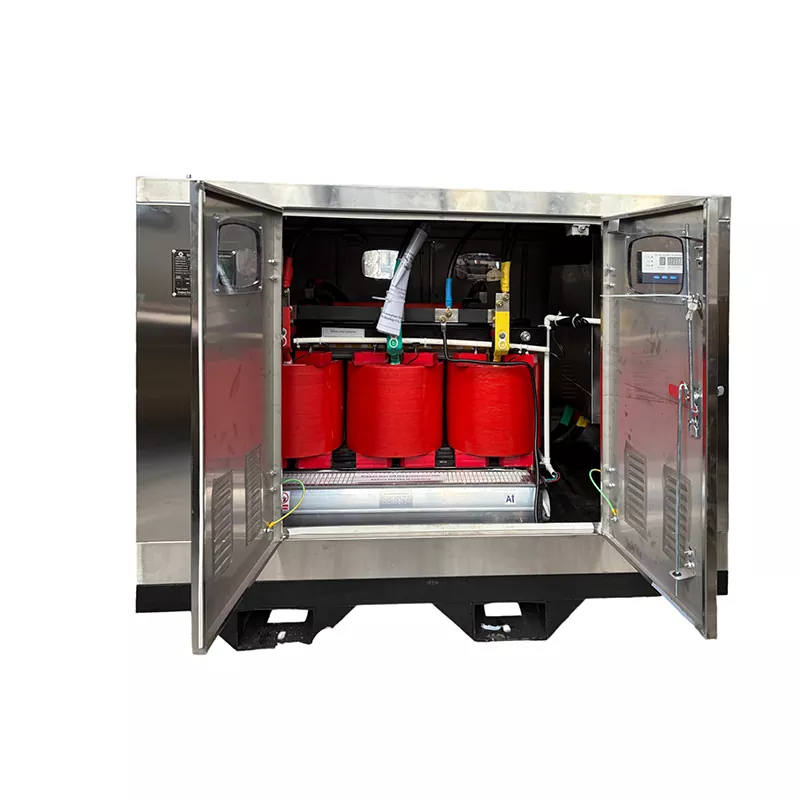
- Flexible Installation: Compact designs allow installation in factories, commercial facilities, underground spaces, and urban power systems.
- Stable Performance: Advanced insulation materials provide reliable operation under different temperature and load conditions.
For industries requiring continuous power supply, selecting a dependable dry type transformer can significantly improve operational efficiency and reduce unexpected downtime.
5. Common Applications of Dry Type Transformer
Dry type transformers are widely used in various industries because of their safety advantages and adaptability.
| Application Area | Reason for Using Dry Type Transformer |
|---|---|
| Commercial Buildings | Provides safe power distribution in offices, shopping centers, and public facilities. |
| Industrial Plants | Supports reliable operation of manufacturing equipment and production systems. |
| Hospitals | Offers safe electrical supply where reliability is extremely important. |
| Data Centers | Provides stable power conversion while minimizing fire risks. |
| Renewable Energy Systems | Helps connect solar and wind power systems to electrical grids. |
6. How to Select the Right Dry Type Transformer
Choosing the correct transformer requires consideration of several technical and operational factors. A properly selected transformer can improve efficiency and prevent performance problems.
- Rated Capacity: Determine the required power load to avoid overload operation.
- Voltage Level: Match the transformer input and output voltage requirements.
- Installation Environment: Consider temperature, humidity, dust, and ventilation conditions.
- Insulation Class: Select suitable insulation performance according to operating conditions.
- Cooling Method: Choose natural air cooling or forced cooling based on application requirements.
Professional manufacturers such as GUANGBIAN can help customers evaluate technical requirements and provide customized transformer solutions for different power systems.
7. Maintenance Tips to Extend Transformer Service Life
Although dry type transformers require less maintenance compared with oil-filled transformers, regular inspection remains important for safe and efficient operation.
- Check transformer temperature regularly to prevent overheating.
- Inspect insulation surfaces for dust accumulation or damage.
- Ensure ventilation channels remain clean and unobstructed.
- Monitor abnormal noise, vibration, or unusual operating conditions.
- Perform scheduled electrical testing according to operating requirements.
Proper maintenance helps maintain stable transformer performance and extends equipment lifespan.
8. Dry Type Transformer vs Oil Immersed Transformer
| Feature | Dry Type Transformer | Oil Immersed Transformer |
|---|---|---|
| Insulation Method | Air and solid insulation materials | Transformer oil insulation |
| Fire Safety | Higher safety level due to oil-free design | Requires additional fire protection measures |
| Maintenance | Lower maintenance requirements | Requires oil inspection and management |
| Installation Location | Suitable for indoor and sensitive environments | Commonly used in outdoor substations |
| Environmental Impact | No risk of oil leakage | Requires oil leakage prevention |
9. Frequently Asked Questions
Q1: What is the main advantage of a dry type transformer?
The main advantage is improved safety. Since it does not use liquid insulation oil, it reduces fire risks and environmental concerns while providing reliable power conversion.
Q2: Where can dry type transformers be installed?
Dry type transformers can be installed in commercial buildings, industrial facilities, hospitals, renewable energy projects, and other locations requiring safe electrical distribution.
Q3: How long does a dry type transformer usually operate?
With proper installation and maintenance, a high-quality dry type transformer can provide many years of stable operation.
Q4: Does a dry type transformer require regular maintenance?
Yes. Although maintenance requirements are lower than oil-filled transformers, regular inspections of temperature, insulation, and ventilation are still necessary.
Q5: Why choose GUANGBIAN as a dry type transformer supplier?
GUANGBIAN focuses on producing reliable transformer products with advanced technology, strict quality control, and solutions designed for different application environments.
Conclusion
Dry type transformers have become an important solution for modern power distribution because they combine safety, reliability, environmental protection, and efficient operation. Their oil-free design makes them especially suitable for facilities where fire prevention and operational stability are major priorities.
By understanding the working principle, structure, benefits, and selection factors of dry type transformers, customers can make better decisions for their electrical systems. GUANGBIAN continues to provide dependable transformer solutions to support industrial, commercial, and energy projects worldwide. For professional dry type transformer solutions tailored to your requirements, please contact us today.
Related News
- How Can a 50KVA Dry Type Isolation Transformer with MCCB Improve Electrical Safety and Power Reliability
- Why Is a 50KVA Dry Type Isolation Transformer with MCCB a Smarter Choice for Reliable Power Protection
- How Can a 37.5KVA Pole-Mounted Transformer Improve Reliable Power Distribution
- How Can a 150KVA Dry Type Isolation Transformer Improve Safe and Flexible Power Distribution
- Why Is a 37.5KVA Pole-Mounted Transformer a Smart Choice for Reliable Overhead Power Distribution
- How Can a 167KVA Pole-Mounted Transformer Deliver More Reliable and Cost-Effective Power Distribution
Leave me a message