English
- English
- Español
- Português
- русский
- Français
- 日本語
- Deutsch
- tiếng Việt
- Italiano
- Nederlands
- ภาษาไทย
- Polski
- 한국어
- Svenska
- magyar
- Malay
- বাংলা ভাষার
- Dansk
- Suomi
- हिन्दी
- Pilipino
- Türkçe
- Gaeilge
- العربية
- Indonesia
- Norsk
- تمل
- český
- ελληνικά
- український
- Javanese
- فارسی
- தமிழ்
- తెలుగు
- नेपाली
- Burmese
- български
- ລາວ
- Latine
- Қазақша
- Euskal
- Azərbaycan
- Slovenský jazyk
- Македонски
- Lietuvos
- Eesti Keel
- Română
- Slovenski
- मराठी
- Srpski језик

How Do You Select a 167KVA Pole-Mounted Transformer for Efficient and Reliable Power Distribution
Article Summary: Selecting the right distribution transformer requires more than matching a power rating to an electrical load. Buyers must also evaluate voltage compatibility, energy losses, environmental conditions, installation requirements, and long-term operating costs. Guangbian offers a 167KVA Pole-Mounted Transformer for outdoor distribution applications, including utility networks and infrastructure projects. This guide explains how a 167 kVA transformer works, how to assess its technical performance, which applications may benefit from its design, and what engineers and procurement teams should verify before purchasing.
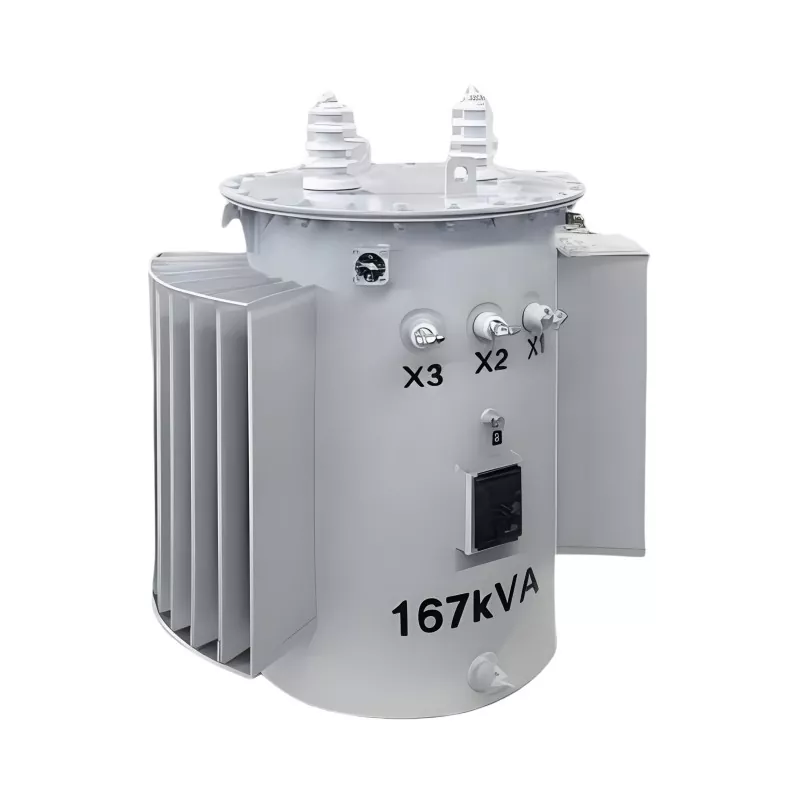
Table of Contents
1. Why Does Transformer Capacity Matter in Distribution Planning?
2. What Makes a 167KVA Pole-Mounted Transformer Different?
3. Which Electrical Performance Factors Should You Evaluate?
4. How Do Transformer Losses Affect Operating Costs?
5. Which Projects Can Benefit from This Transformer?
6. What Should Buyers Check Before Ordering?
7. How Can You Support Long-Term Transformer Reliability?
9. Final Recommendations for Transformer Procurement
Why Does Transformer Capacity Matter in Distribution Planning?
Electrical distribution systems must deliver power at usable voltage levels while accommodating changing demand throughout the day. Choosing an appropriately rated transformer helps utilities and facility operators balance supply requirements, equipment utilization, and future expansion. An undersized unit may experience excessive loading, while an unnecessarily large transformer can increase initial investment and no-load energy consumption.
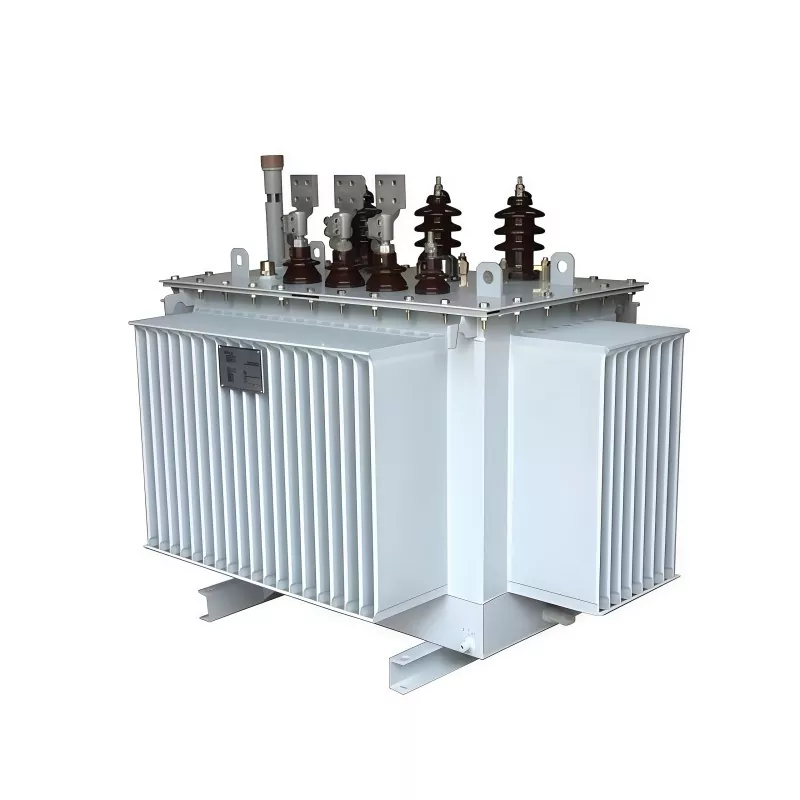
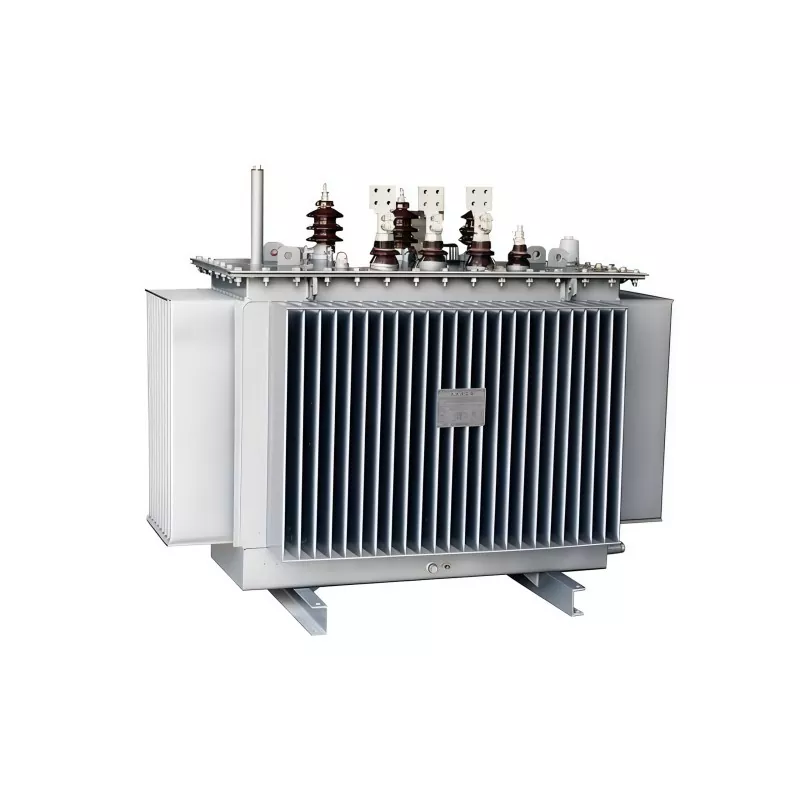
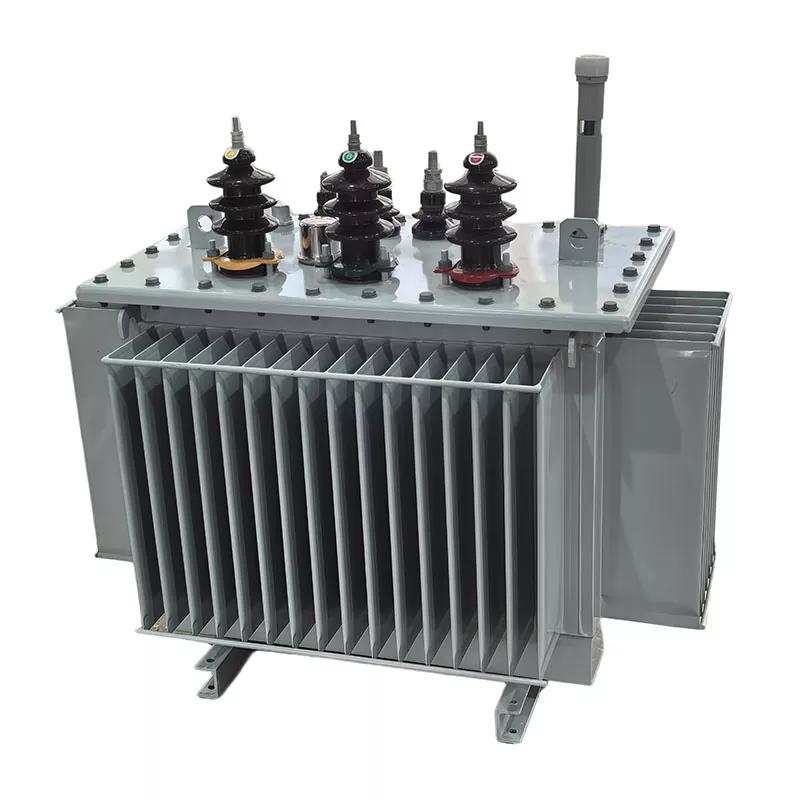
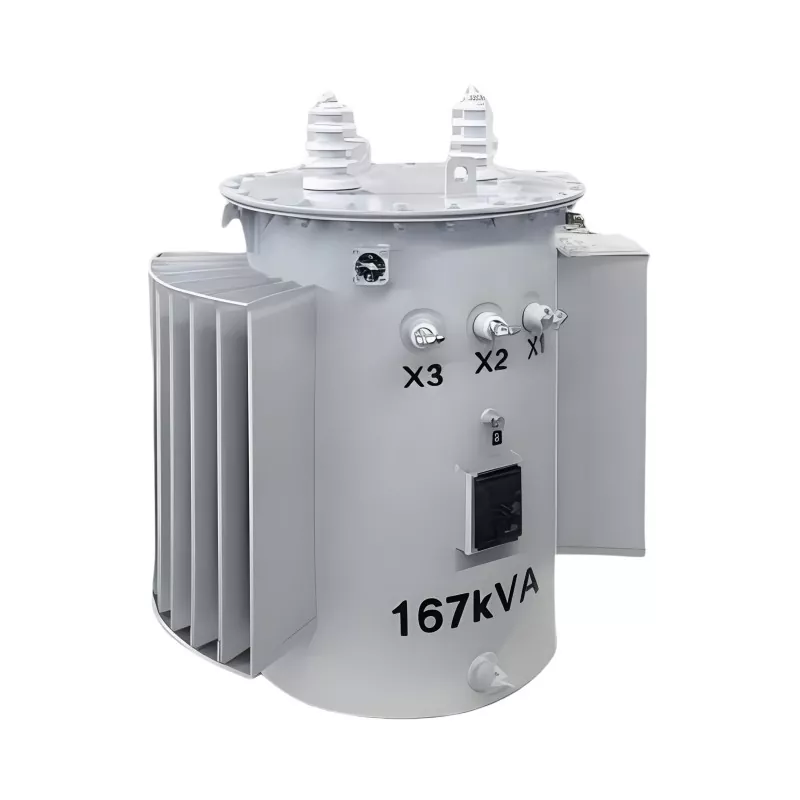
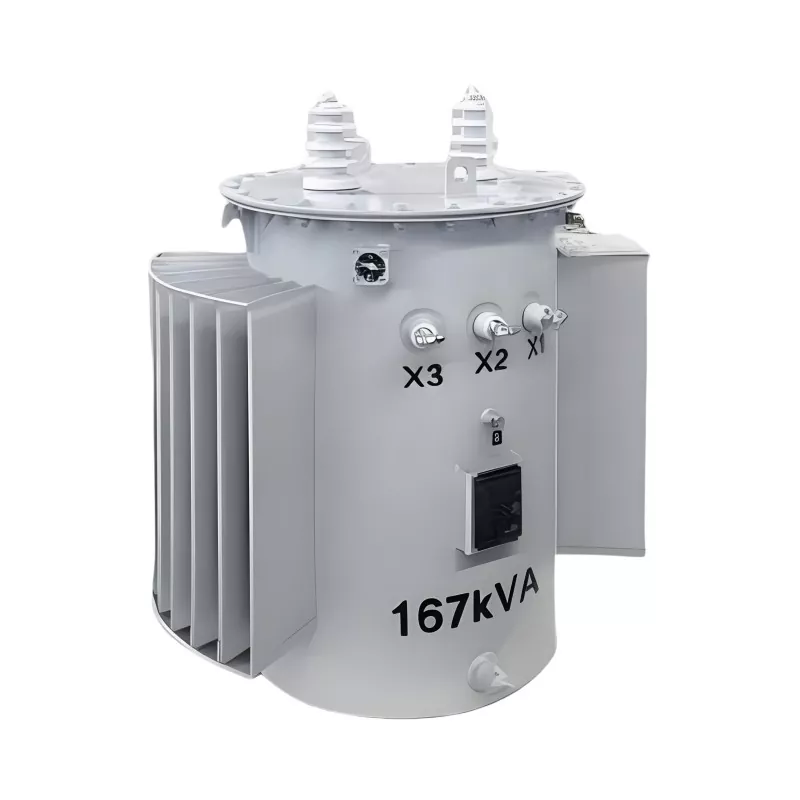
A 167KVA Pole-Mounted Transformer provides a rated apparent power capacity of 167 kilovolt-amperes. For projects with compatible electrical requirements, this capacity can serve as a starting point for evaluating distribution needs. Guangbian presents this model as an outdoor distribution solution intended for stable voltage conversion and utility or grid-related applications.
However, rated capacity should never be considered in isolation. Engineers need to assess the total connected load, expected demand, power factor, load diversity, motor starting requirements, and possible future connections. These factors determine whether a 167 kVA transformer can meet the actual operating requirements of a project.
For example, a distribution network serving a group of buildings may experience different peak demand patterns from a workshop operating several motors simultaneously. Even if their calculated average power consumption appears similar, their electrical loading characteristics can differ significantly.
Effective planning therefore begins with a load assessment, followed by confirmation of the transformer's voltage ratings, phase configuration, installation conditions, and applicable technical standards.
What Makes a 167KVA Pole-Mounted Transformer Different?
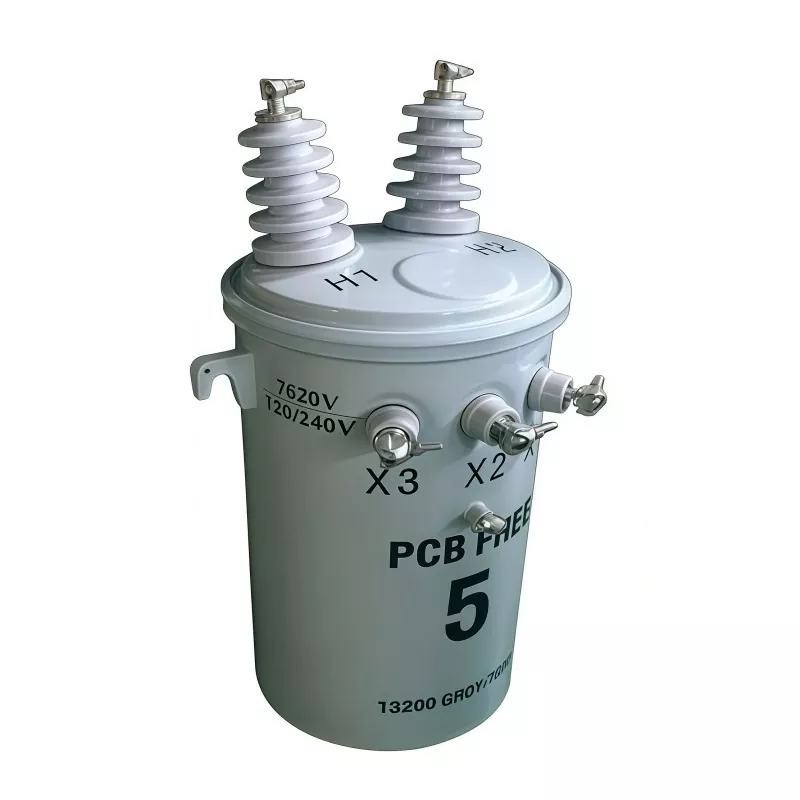
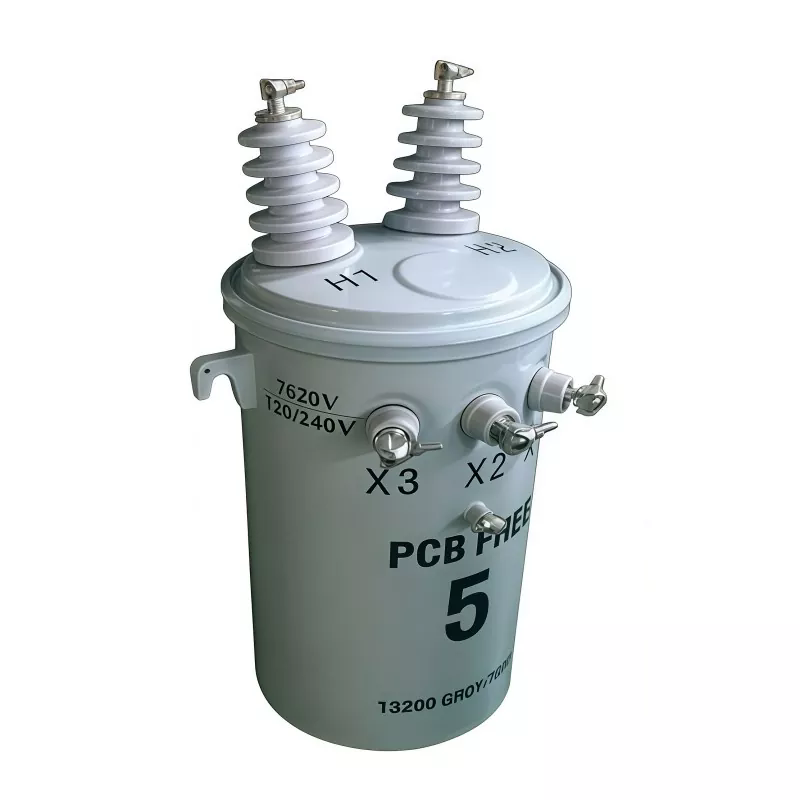
A pole-mounted transformer is designed for installation on an engineered overhead support structure as part of an overhead electrical distribution network. It receives electricity from the incoming distribution circuit and transforms the voltage to a level suitable for downstream equipment and consumers.
Compared with a ground-mounted arrangement, pole-mounted equipment can reduce the need for a dedicated ground-level transformer footprint. This can be useful in rural networks, roadside distribution systems, and locations where overhead infrastructure is already established. Nevertheless, the pole, mounting hardware, electrical clearances, and access arrangements must satisfy the project's engineering and safety requirements.
Guangbian's 167KVA Pole-Mounted Transformer product information highlights outdoor power distribution, voltage conversion, and applications in utility and industrial environments. Buyers should consult the manufacturer's current technical documentation to establish the precise configuration available for their project.
Key characteristics to review
- Rated capacity: 167 kVA, subject to the manufacturer's confirmed nameplate rating.
- Installation format: Pole-mounted for appropriately designed overhead distribution systems.
- Voltage configuration: Primary and secondary voltage requirements should be confirmed before ordering.
- Phase arrangement: The required single-phase or three-phase configuration must match the intended network.
- Operating environment: Outdoor conditions, including humidity, temperature, contamination, and corrosion exposure, should be considered.
- Project compatibility: Mechanical mounting, protection coordination, grounding, and local compliance requirements must be verified.
The most suitable transformer is not necessarily the one with the longest feature list. It is the one whose documented electrical and mechanical characteristics match the operating conditions of the installation.
For product-specific information, visit the Guangbian 167KVA Pole-Mounted Transformer product page.
Which Electrical Performance Factors Should You Evaluate?
Transformer performance depends on the interaction of electrical design, operating load, insulation, thermal management, and the surrounding distribution network. A careful technical review helps buyers avoid selecting equipment that meets the capacity requirement but fails to satisfy other essential project conditions.
| Evaluation Factor | What to Examine | Impact on the Project |
|---|---|---|
| Rated apparent power | 167 kVA nameplate capacity | Establishes the transformer's rated loading capability. |
| Primary voltage | Incoming distribution system voltage | Ensures compatibility with the utility network. |
| Secondary voltage | Required downstream supply voltage | Supports correct operation of connected equipment. |
| Phase configuration | Required phase arrangement | Determines suitability for the distribution system. |
| Frequency | System frequency, such as 50 Hz or 60 Hz | Ensures the equipment matches the local power system. |
| No-load loss | Manufacturer's guaranteed test value | Helps estimate energy consumed while the transformer is energized. |
| Load loss | Manufacturer's guaranteed value at the specified reference conditions | Helps estimate losses that vary with transformer loading. |
| Impedance | Specified percentage impedance | Influences voltage regulation and fault-current calculations. |
| Environmental rating | Specified operating conditions and protection requirements | Helps establish suitability for the installation site. |
One particularly important distinction is the difference between apparent power and real power. Transformer capacity is expressed in kVA, whereas the real power consumed by a load is measured in kW.
For a load operating at a power factor of 0.90, a 167 kVA transformer corresponds to approximately 150.3 kW of real power at that operating point, assuming the rated apparent capacity is fully utilized and other operating constraints are satisfied. This calculation is illustrative rather than a guarantee of continuous usable output for every installation.
Engineers should also consider ambient temperature, harmonics, load imbalance where applicable, and the manufacturer's permitted loading conditions before approving the final design.
How Do Transformer Losses Affect Operating Costs?
Initial purchase price is only one part of a transformer's total cost of ownership. Because distribution transformers can remain energized for long periods, their electrical losses may contribute significantly to lifetime operating expenses.
Two principal categories of transformer losses are relevant to routine evaluation:
- No-load losses: These occur primarily in the magnetic core when the transformer is energized. They are present even when the connected load is low or absent.
- Load losses: These are associated mainly with current flowing through the windings and other load-dependent effects. They generally increase as loading rises.
To compare different transformer options, buyers should request guaranteed loss figures measured under comparable conditions. A lower purchase price may not represent the most economical choice if the equipment has higher losses over its operating life.
A practical method for estimating energy losses
For an initial engineering estimate, annual energy losses can be calculated using the following simplified relationship:
Annual energy loss (kWh) = No-load loss (kW) × energized hours + Load loss at reference load (kW) × load factor squared × operating hours
This simplified calculation assumes a representative load factor and constant operating conditions. A detailed assessment should account for actual load variation, the manufacturer's loss-test reference temperature, and any applicable corrections or additional loss components.
For instance, if a hypothetical transformer has a no-load loss of 0.30 kW and remains energized for 8,760 hours, its annual no-load energy loss would be 2,628 kWh. This is an illustrative example, not a verified specification for Guangbian's 167 kVA model.
When evaluating proposals, compare efficiency, guaranteed losses, expected loading, electricity prices, maintenance requirements, and purchase costs together. This approach provides a more meaningful basis for procurement decisions than comparing quoted prices alone.
Which Projects Can Benefit from This Transformer?
A 167KVA Pole-Mounted Transformer may be suitable for several types of outdoor distribution projects when its electrical ratings and mounting arrangement match the site requirements.
1. Rural and Remote Electrification
Rural distribution projects frequently rely on overhead lines to connect homes, farms, community buildings, and small businesses. Pole-mounted transformers can integrate into these networks without requiring a separate ground-level transformer installation area, provided the local design permits this arrangement.
2. Commercial Distribution
Selected commercial facilities may require a local voltage transformation point to supply lighting, general electrical equipment, and other connected loads. Engineers should evaluate the demand profile and determine whether the transformer capacity provides an appropriate margin for normal operation and expected expansion.
3. Agricultural Operations
Agricultural facilities may use electrical power for irrigation pumps, ventilation systems, processing equipment, and storage buildings. Because motor-driven loads can create high starting currents, transformer selection should consider starting methods, simultaneous operation, and voltage-drop limits.
4. Industrial Support Networks
Industrial sites with suitable overhead distribution infrastructure may consider pole-mounted equipment for auxiliary facilities, workshops, or other compatible loads. Sensitive equipment and demanding processes may require additional power-quality evaluation and a carefully coordinated protection scheme.
5. Utility Upgrades and Network Extensions
Electric utilities and contractors may evaluate this capacity when extending an existing network or replacing aging distribution equipment. The final specification should follow the utility's approved design, fault-level calculations, mounting requirements, and procurement standards.
In all these scenarios, the 167 kVA rating is only a starting point. Site-specific engineering determines whether the equipment is appropriate.
What Should Buyers Check Before Ordering?
International transformer procurement often involves multiple stakeholders, including engineering teams, purchasing departments, electrical contractors, and local utilities. A clear technical specification reduces misunderstandings and helps suppliers provide comparable quotations.
Before requesting a quotation for a 167KVA Pole-Mounted Transformer, prepare the following information:
- Electrical requirements: Rated capacity, primary voltage, secondary voltage, frequency, and phase configuration.
- Network conditions: Grounding arrangement, expected fault level, voltage variation, and protection requirements.
- Performance targets: Required efficiency, guaranteed loss limits, impedance, and any project-specific electrical characteristics.
- Environmental conditions: Ambient temperature, altitude, humidity, pollution, and corrosion exposure.
- Installation details: Pole or support design, mounting arrangement, clearances, and applicable utility requirements.
- Compliance documentation: Required standards, inspection procedures, routine test reports, and certificates where applicable.
- Commercial information: Order quantity, delivery location, requested delivery schedule, packaging, and warranty requirements.
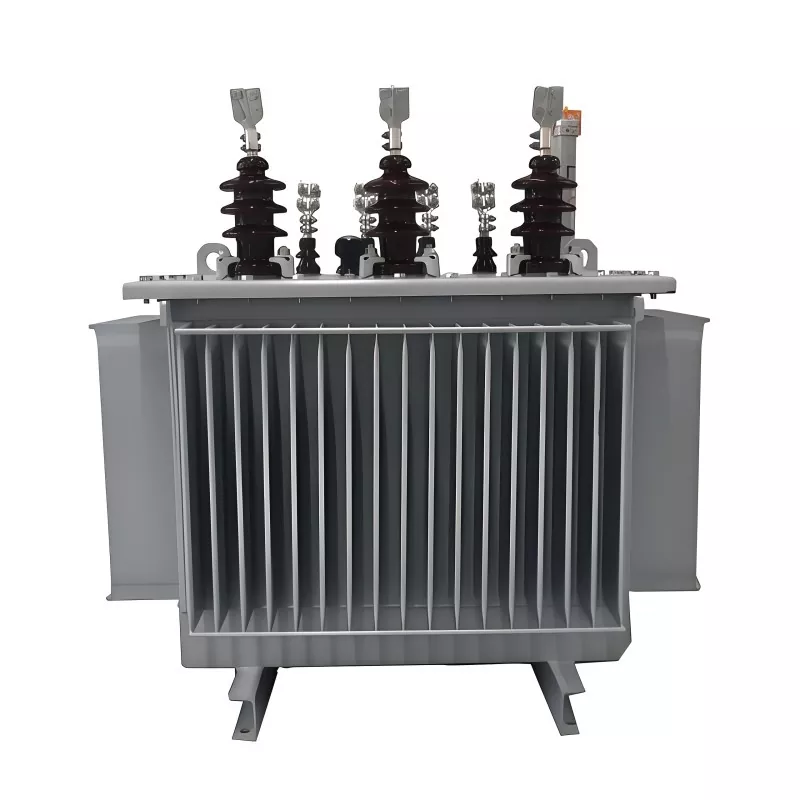
Buyers should also confirm whether the supplier offers the required oil-immersed configuration, accessories, and voltage customization for the intended project. These details should be documented in the approved quotation and technical agreement rather than assumed from a general product description.
Guangbian's broader power transformer range provides a useful starting point for comparing distribution transformer categories and identifying potential solutions for different installation conditions.
How Can You Support Long-Term Transformer Reliability?
Transformer service life depends on design quality, loading, installation, operating temperature, insulation condition, and maintenance practices. A sound maintenance plan helps identify developing problems before they cause unexpected interruptions.
Inspection and monitoring priorities
- Inspect accessible external components for corrosion, contamination, physical damage, and signs of overheating.
- Check for visible leakage and deteriorated seals on oil-immersed equipment.
- Review loading data and investigate repeated overloading or unusual voltage variations.
- Inspect grounding connections and protective devices according to the approved maintenance schedule.
- Use appropriate electrical testing and thermal inspection methods when indicated by operating conditions.
- Keep installation records, inspection findings, test results, and maintenance actions for future reference.
Maintenance intervals should follow the manufacturer's instructions, utility requirements, and the actual service environment. A transformer exposed to heavy contamination, extreme temperatures, or unusually demanding loads may require a different inspection strategy from equipment operating under milder conditions.
All maintenance work must be carried out by qualified personnel under appropriate electrical safety procedures. Before work begins, the equipment must be isolated and verified de-energized, with grounding and other protective measures applied as required by the approved procedure.
For project owners, coordinating transformer specifications with installation quality, protection settings, and maintenance planning is an effective way to support reliable power distribution over time.
Frequently Asked Questions
1. What is the rated capacity of a 167KVA Pole-Mounted Transformer?
Its rated apparent power capacity is 167 kVA. The usable real-power output depends on power factor, operating conditions, and the manufacturer's specified loading limits.
2. Is a 167KVA Pole-Mounted Transformer suitable for rural electrification?
It may be suitable for rural electrification projects that use overhead distribution networks and have compatible load and voltage requirements. Engineers should confirm the electrical configuration, installation design, and local utility requirements before selection.
3. Can the primary and secondary voltages be customized?
Guangbian's product information indicates that voltage configurations can be customized. Buyers should submit their required incoming and outgoing voltages, frequency, phase arrangement, and applicable standards for confirmation.
4. What information is needed to calculate transformer energy losses?
A useful estimate requires the manufacturer's no-load loss, load loss at the specified reference conditions, energized hours, and a representative loading profile. A more detailed evaluation should account for variations in load and the relevant loss-test conditions.
5. How long can a pole-mounted transformer operate?
Service life varies with transformer design, insulation condition, loading, temperature, environmental exposure, and maintenance. Buyers should request the manufacturer's design-life guidance and warranty terms rather than relying on a universal service-life estimate.
6. What documents should accompany a transformer order?
Depending on the project, buyers may require an approved technical datasheet, dimensional drawings, nameplate information, wiring or connection diagrams, routine test reports, applicable compliance documents, installation instructions, and warranty information.
7. How can I obtain a quotation from Guangbian?
Visit the product page and provide the required capacity, voltage levels, phase configuration, destination, quantity, and any project-specific technical standards. Supplying complete information helps the manufacturer assess the request more efficiently.
Final Recommendations for Transformer Procurement
Selecting a 167KVA Pole-Mounted Transformer requires a balanced assessment of electrical capacity, voltage compatibility, energy losses, environmental conditions, mounting requirements, and regulatory compliance. For utilities, contractors, and industrial buyers, a clearly defined specification helps prevent configuration mismatches and supports a more transparent comparison of suppliers.
Guangbian provides a dedicated product option for projects evaluating pole-mounted distribution equipment. Before making a final purchasing decision, request the current technical datasheet and verify all critical parameters against your network design and local requirements. If you are planning a new distribution installation, upgrading existing infrastructure, or sourcing equipment for a utility project, contact us to discuss your required specifications, voltage configuration, customization options, and quotation. Working with clear technical requirements from the beginning can help your team identify a suitable transformer solution and plan for dependable long-term power distribution.
Related News
- How Can a 150KVA Dry Type Isolation Transformer Deliver Safer and More Reliable Power for Industrial Applications
- How Can a 50KVA Dry Type Isolation Transformer with MCCB Improve Electrical Safety and Power Reliability
- Why Is a 50KVA Dry Type Isolation Transformer with MCCB a Smarter Choice for Reliable Power Protection
- How Can a 37.5KVA Pole-Mounted Transformer Improve Reliable Power Distribution
- How Can a 150KVA Dry Type Isolation Transformer Improve Safe and Flexible Power Distribution
- Why Is a 37.5KVA Pole-Mounted Transformer a Smart Choice for Reliable Overhead Power Distribution
Leave me a message