English
- English
- Español
- Português
- русский
- Français
- 日本語
- Deutsch
- tiếng Việt
- Italiano
- Nederlands
- ภาษาไทย
- Polski
- 한국어
- Svenska
- magyar
- Malay
- বাংলা ভাষার
- Dansk
- Suomi
- हिन्दी
- Pilipino
- Türkçe
- Gaeilge
- العربية
- Indonesia
- Norsk
- تمل
- český
- ελληνικά
- український
- Javanese
- فارسی
- தமிழ்
- తెలుగు
- नेपाली
- Burmese
- български
- ລາວ
- Latine
- Қазақша
- Euskal
- Azərbaycan
- Slovenský jazyk
- Македонски
- Lietuvos
- Eesti Keel
- Română
- Slovenski
- मराठी
- Srpski језик

Why Is a Dry Type Transformer Used in Modern Power Distribution Systems?
Abstract
This article explains how a dry type transformer works, its core structure, operating principles, advantages, and real-world applications. It is designed to help engineers, procurement managers, and facility operators understand why dry type transformers are increasingly preferred in modern electrical distribution systems. The content also addresses common concerns such as safety, efficiency, installation environment, and maintenance requirements, offering a practical guide for informed decision-making.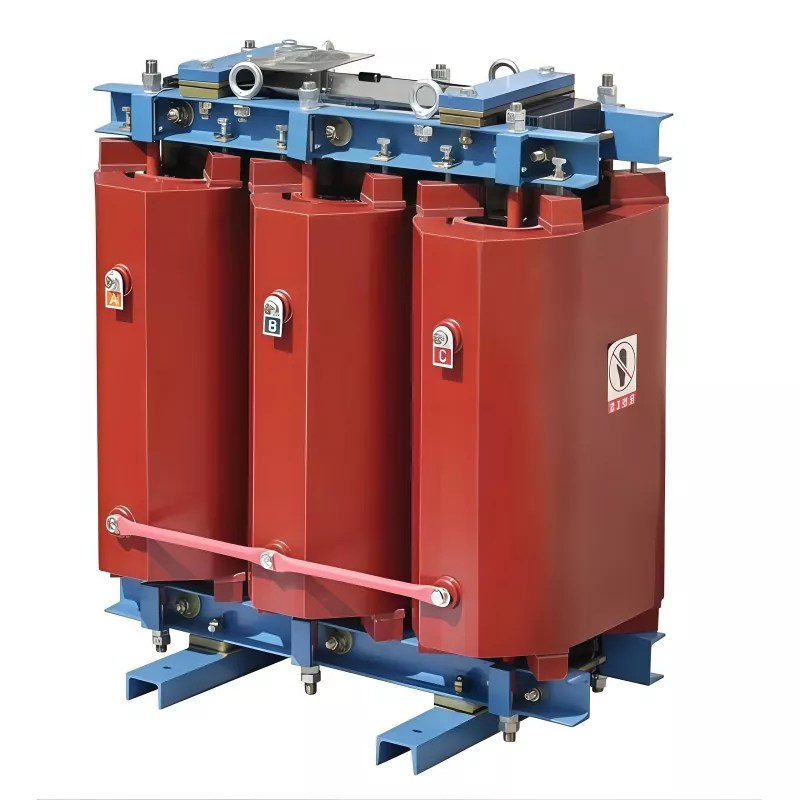
Table of Contents
- Introduction
- Outline of Dry Type Transformer Technology
- Working Principle
- Main Components
- Key Advantages
- Typical Applications
- Dry Type vs Oil-Immersed Transformer Comparison
- Selection Guide
- Maintenance and Safety Considerations
- Common Issues and Troubleshooting
- FAQ
- Conclusion
Outline
This article follows a structured approach: first introducing the concept of dry type transformers, then explaining their working mechanism, followed by component analysis, advantages, and comparison with traditional oil-immersed transformers. It concludes with selection guidance, maintenance insights, and frequently asked questions to provide a complete technical overview.Introduction
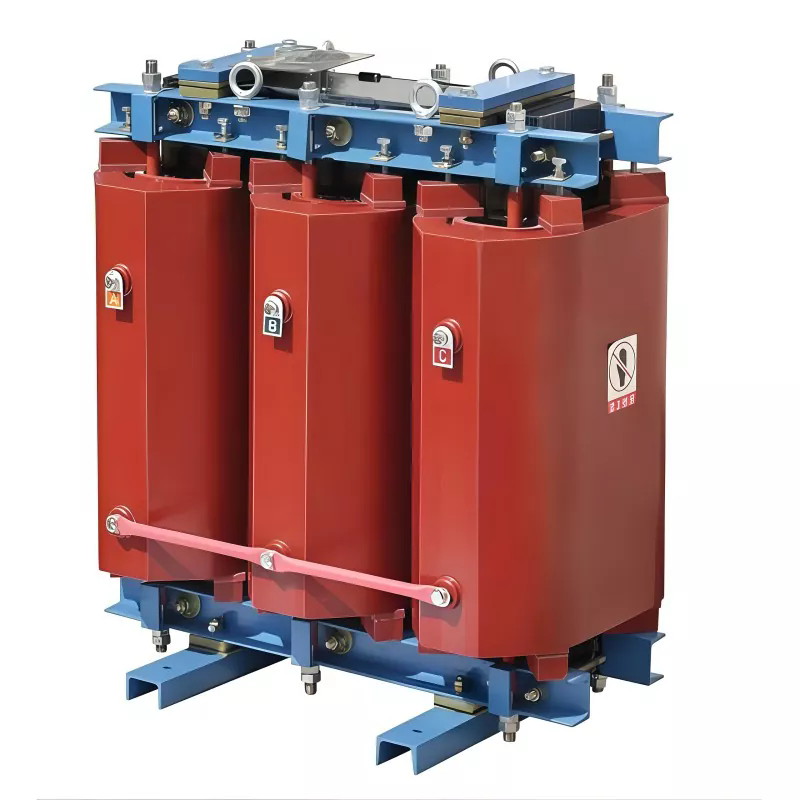
A dry type transformer is a modern electrical device used to transfer electrical energy between circuits through electromagnetic induction without using insulating oil. Unlike oil-immersed transformers, it relies on air or solid insulation materials such as epoxy resin. This makes it highly suitable for indoor installations, commercial buildings, hospitals, and environments where fire safety and environmental protection are priorities. With increasing demand for safer and cleaner electrical infrastructure, dry type transformers have become a preferred solution across industries. Manufacturers such as Zhejiang Guangbian Electric Power Technology Co., Ltd. continue to innovate in this field, offering reliable and efficient transformer solutions tailored to modern energy systems.Outline of Dry Type Transformer Technology
Dry type transformers operate based on Faraday’s law of electromagnetic induction. The primary and secondary windings are electrically isolated but magnetically linked through a laminated iron core. When alternating current passes through the primary winding, it creates a magnetic field that induces voltage in the secondary winding. Unlike oil-cooled systems, heat dissipation is achieved through natural air circulation or forced air cooling systems. This eliminates risks associated with oil leakage, fire hazards, and environmental contamination.Working Principle
The operation of a dry type transformer can be summarized in the following steps:- Alternating current enters the primary winding.
- A magnetic flux is generated in the core.
- The magnetic field induces voltage in the secondary winding.
- Voltage is stepped up or stepped down depending on winding ratio.
- Heat generated during operation is dissipated through air cooling.
Main Components
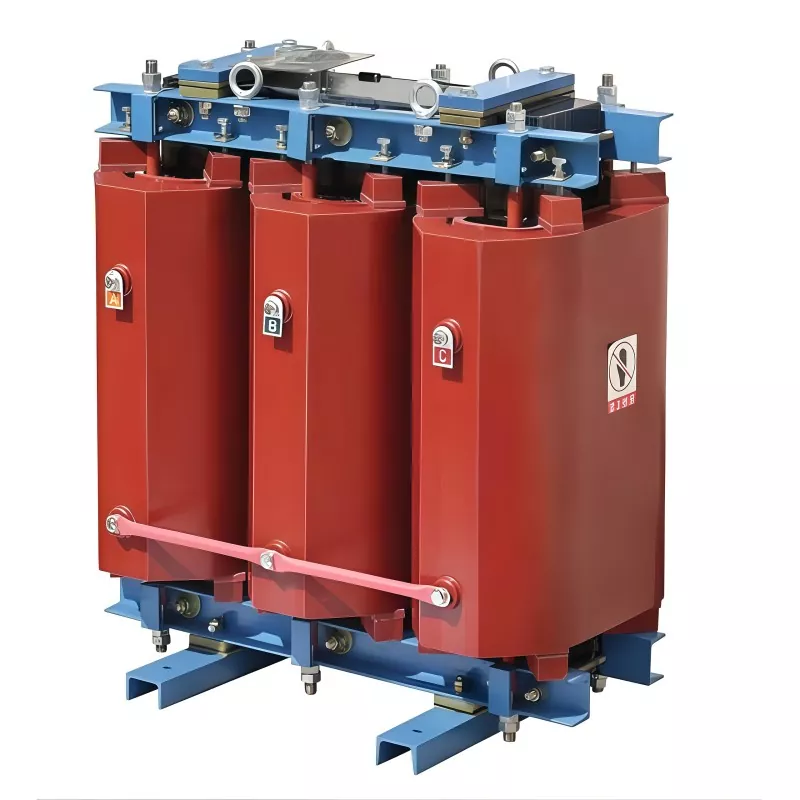
A dry type transformer consists of several essential components:- Core: Made of laminated silicon steel to reduce eddy current losses.
- Windings: Typically made of copper or aluminum, insulated with epoxy resin.
- Insulation System: Solid insulation replacing oil-based systems.
- Cooling System: Natural air cooling (AN) or forced air cooling (AF).
- Enclosure: Protective casing ensuring mechanical and environmental protection.
Key Advantages
Dry type transformers offer several important benefits:- No fire risk due to absence of oil
- Environmentally friendly design
- Low maintenance requirements
- High resistance to short circuits
- Suitable for indoor installation
- Reduced environmental compliance concerns
Typical Applications
Dry type transformers are widely used across multiple sectors:- Commercial buildings and shopping centers
- Hospitals and healthcare facilities
- Data centers and IT infrastructure
- Industrial plants with strict safety requirements
- Residential high-rise complexes
- Transportation systems such as railways and metro stations
Dry Type vs Oil-Immersed Transformer Comparison
| Feature | Dry Type Transformer | Oil-Immersed Transformer |
|---|---|---|
| Cooling Medium | Air / Resin | Insulating Oil |
| Fire Risk | Very Low | Higher |
| Maintenance | Low | Medium to High |
| Installation Location | Indoor Suitable | Mainly Outdoor |
| Environmental Impact | Eco-Friendly | Risk of Oil Leakage |
Selection Guide
Choosing the right dry type transformer requires careful evaluation of several factors:- Load capacity and voltage requirements
- Installation environment (indoor/outdoor)
- Cooling method (AN or AF)
- Safety and fire protection requirements
- Energy efficiency targets
Maintenance and Safety Considerations
Although dry type transformers require less maintenance, periodic inspection is still essential:- Regular dust cleaning to prevent overheating
- Checking insulation integrity
- Monitoring temperature levels
- Ensuring proper ventilation
- Tightening electrical connections
Common Issues and Troubleshooting
Some typical issues include:- Overheating: Often caused by poor ventilation or overload conditions.
- Noise increase: May indicate loose core laminations or mechanical vibration.
- Insulation aging: Occurs due to long-term thermal stress.
FAQ
1. What is the lifespan of a dry type transformer?
Typically 20–30 years depending on operating conditions and maintenance quality.
2. Can dry type transformers be used outdoors?
Yes, but they require proper protective enclosures to prevent moisture and dust ingress.
3. Are dry type transformers more expensive?
Initial costs may be higher, but lower maintenance and safety benefits reduce long-term costs.
4. Why are dry type transformers safer?
Because they do not use flammable insulating oil, reducing fire and leakage risks.
Conclusion
Dry type transformers represent a modern, safe, and environmentally responsible solution for electrical power distribution. Their robust design, low maintenance requirements, and high safety performance make them ideal for critical infrastructure and urban installations. As industries continue to prioritize sustainability and safety, demand for advanced transformer technologies continues to grow. Zhejiang Guangbian Electric Power Technology Co., Ltd. is committed to delivering high-performance dry type transformer solutions designed for reliability, efficiency, and long-term stability across diverse applications. For more technical details, project consultation, or customized transformer solutions, please contact us today. Our engineering team is ready to support your power system requirements with professional expertise and responsive service.Related News
- How Can a 50KVA Dry Type Isolation Transformer with MCCB Improve Electrical Safety and Power Reliability
- Why Is a 50KVA Dry Type Isolation Transformer with MCCB a Smarter Choice for Reliable Power Protection
- How Can a 37.5KVA Pole-Mounted Transformer Improve Reliable Power Distribution
- How Can a 150KVA Dry Type Isolation Transformer Improve Safe and Flexible Power Distribution
- Why Is a 37.5KVA Pole-Mounted Transformer a Smart Choice for Reliable Overhead Power Distribution
- How Can a 167KVA Pole-Mounted Transformer Deliver More Reliable and Cost-Effective Power Distribution
Leave me a message