English
- English
- Español
- Português
- русский
- Français
- 日本語
- Deutsch
- tiếng Việt
- Italiano
- Nederlands
- ภาษาไทย
- Polski
- 한국어
- Svenska
- magyar
- Malay
- বাংলা ভাষার
- Dansk
- Suomi
- हिन्दी
- Pilipino
- Türkçe
- Gaeilge
- العربية
- Indonesia
- Norsk
- تمل
- český
- ελληνικά
- український
- Javanese
- فارسی
- தமிழ்
- తెలుగు
- नेपाली
- Burmese
- български
- ລາວ
- Latine
- Қазақша
- Euskal
- Azərbaycan
- Slovenský jazyk
- Македонски
- Lietuvos
- Eesti Keel
- Română
- Slovenski
- मराठी
- Srpski језик

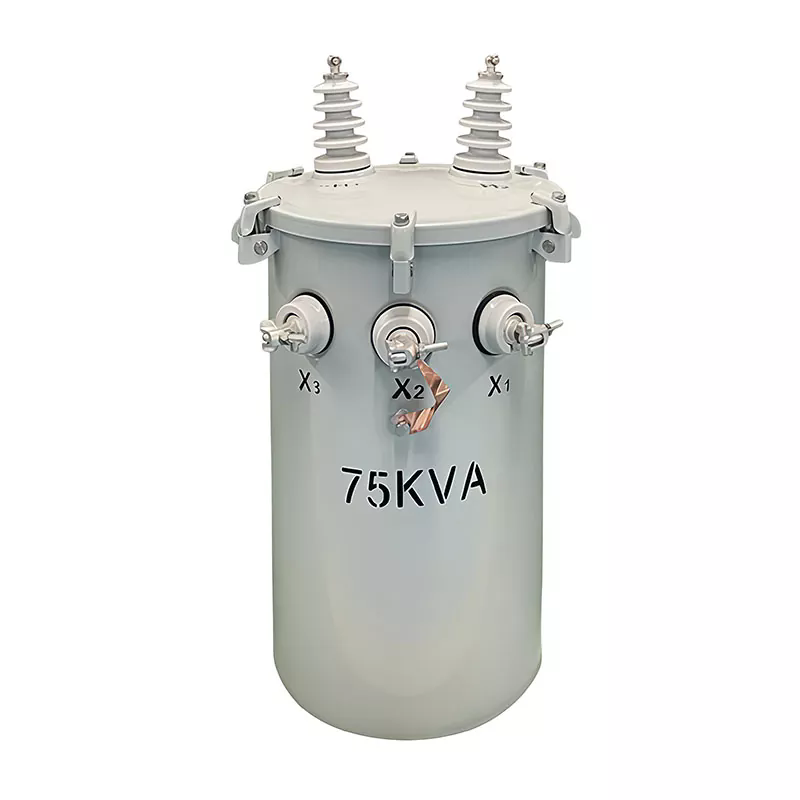
How Does a 75KVA Pole-Mounted Transformer Improve Power Distribution?
A 75KVA Pole-Mounted Transformer is designed to provide dependable voltage transformation for residential areas, rural electrification projects, commercial facilities, public infrastructure, and selected small industrial applications. By combining compact installation, oil-immersed cooling, practical capacity, and outdoor durability, this transformer can help utilities deliver stable electricity without requiring a large ground-level installation area. This guide explains its working principles, key specifications, application considerations, installation requirements, maintenance needs, and selection factors so buyers can make a more informed decision.
Article Summary
Selecting the right distribution transformer involves much more than choosing a number such as 75KVA. The transformer must match the primary voltage, secondary voltage, phase configuration, expected load, environmental conditions, protection requirements, installation structure, and applicable electrical standards. A properly selected 75KVA Pole-Mounted Transformer can provide an efficient and practical solution where electrical power needs to be transformed close to the point of consumption.
In this article, we examine how a 75KVA unit works, why its compact pole-mounted configuration is useful, how its core and winding materials influence performance, what efficiency specifications mean, and how project engineers can avoid common sizing and installation mistakes. We also explain how Guangbian approaches manufacturing and customization for different distribution networks.
Table of Contents
- Understanding the 75KVA Pole-Mounted Transformer
- How a 75KVA Pole-Mounted Transformer Works
- Capacity and Phase Configuration
- Primary and Secondary Voltage Selection
- Core, Windings, Insulation, and Cooling
- Important Performance Parameters
- Where a 75KVA Pole-Mounted Transformer Is Used
- How to Select the Right Transformer
- Installation and Maintenance Considerations
- How Guangbian Supports Transformer Projects
- Frequently Asked Questions
- Conclusion
Article Outline
- Define the purpose and structure of a 75KVA distribution transformer.
- Explain the basic electromagnetic transformation process.
- Discuss capacity, phase, and voltage compatibility.
- Examine the materials and cooling method that influence operating reliability.
- Explain no-load loss, load loss, impedance, and excitation current.
- Identify suitable applications and common project requirements.
- Provide a practical selection and maintenance checklist.
- Answer common procurement and engineering questions.
Understanding the 75KVA Pole-Mounted Transformer
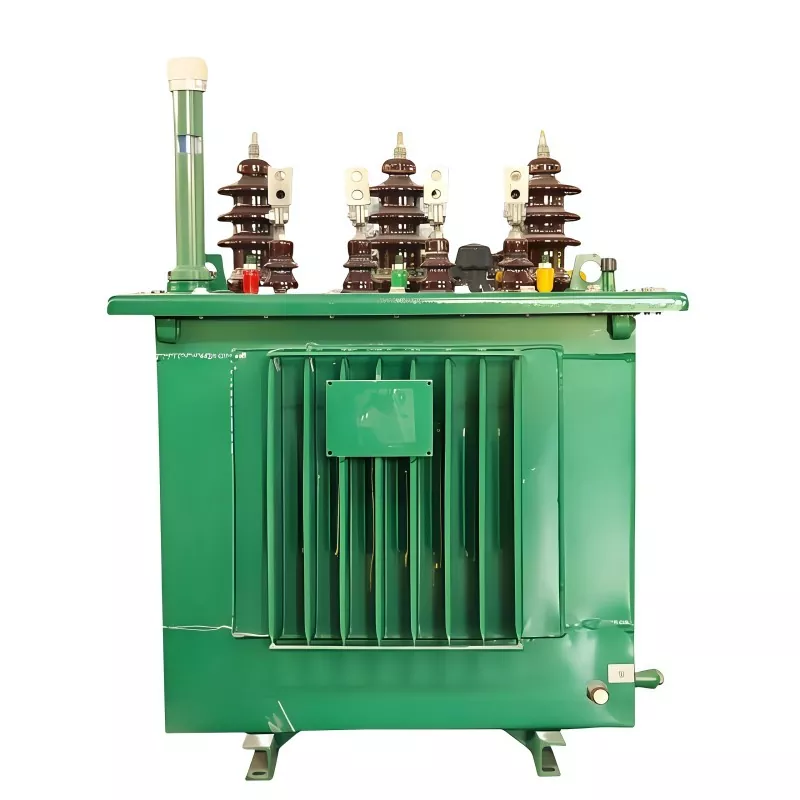
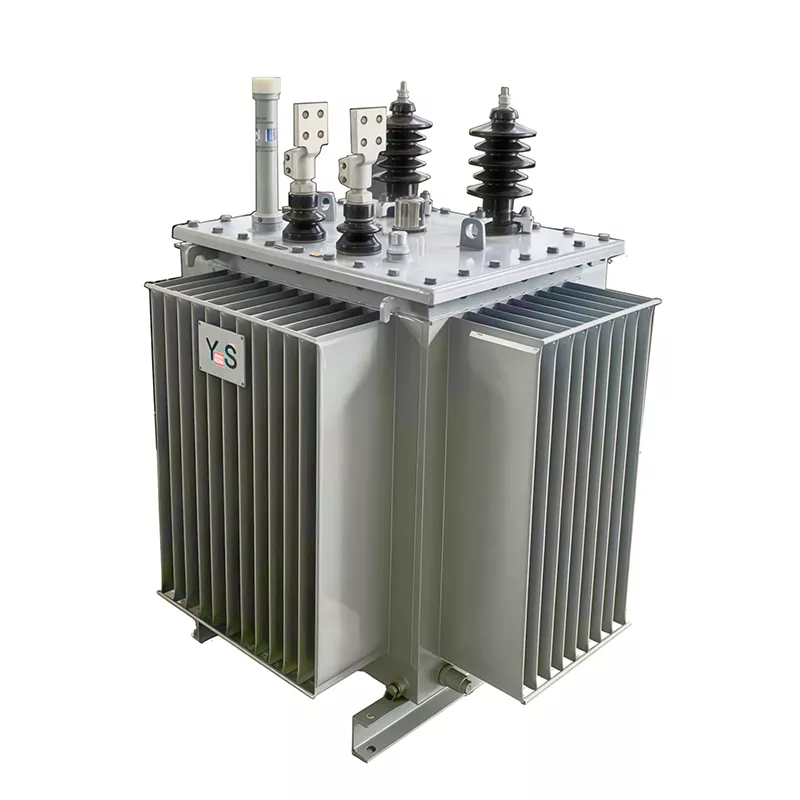
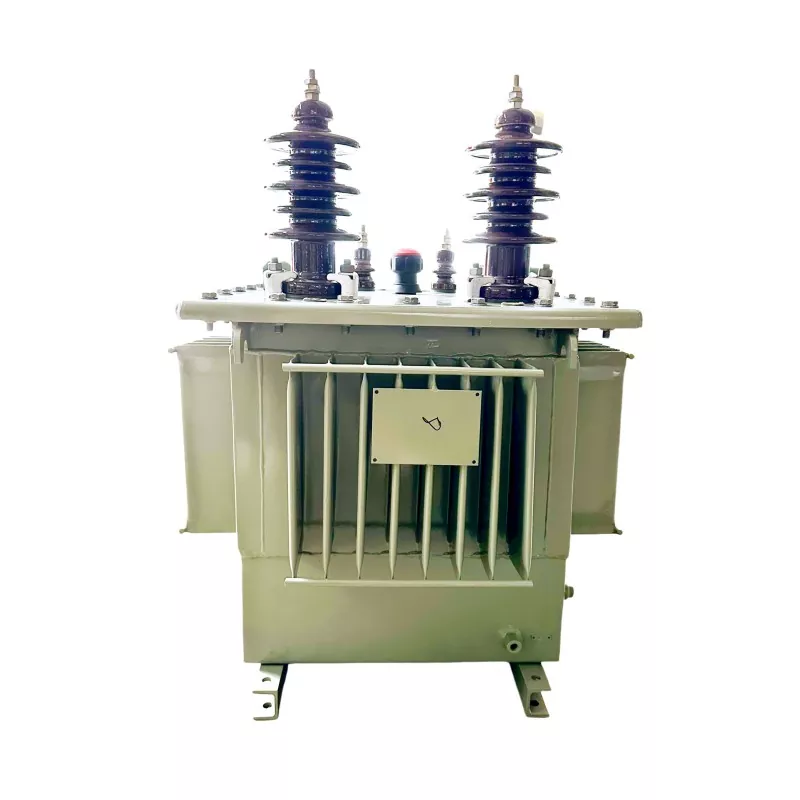
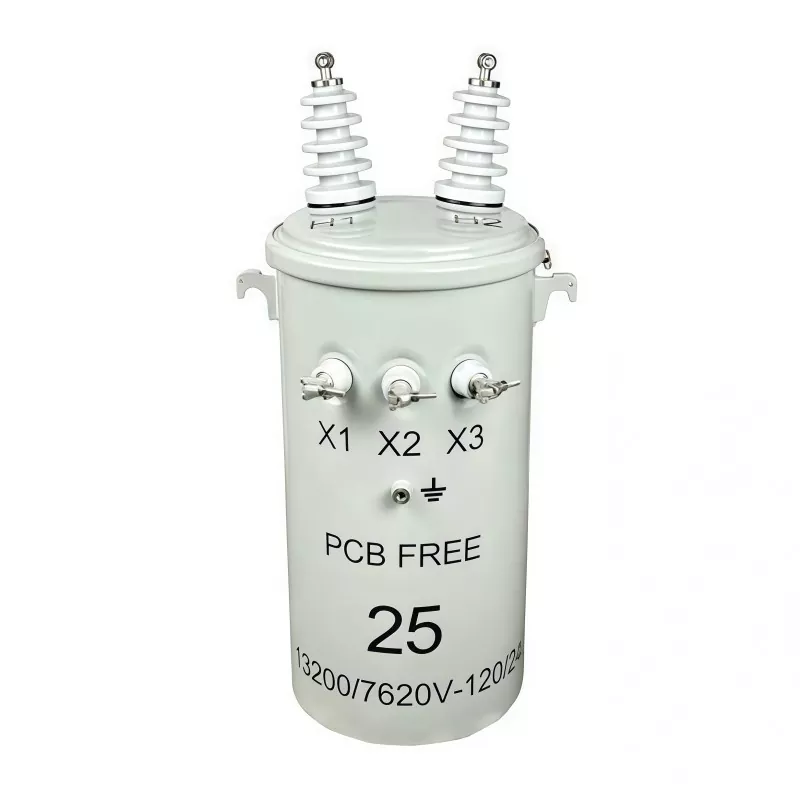
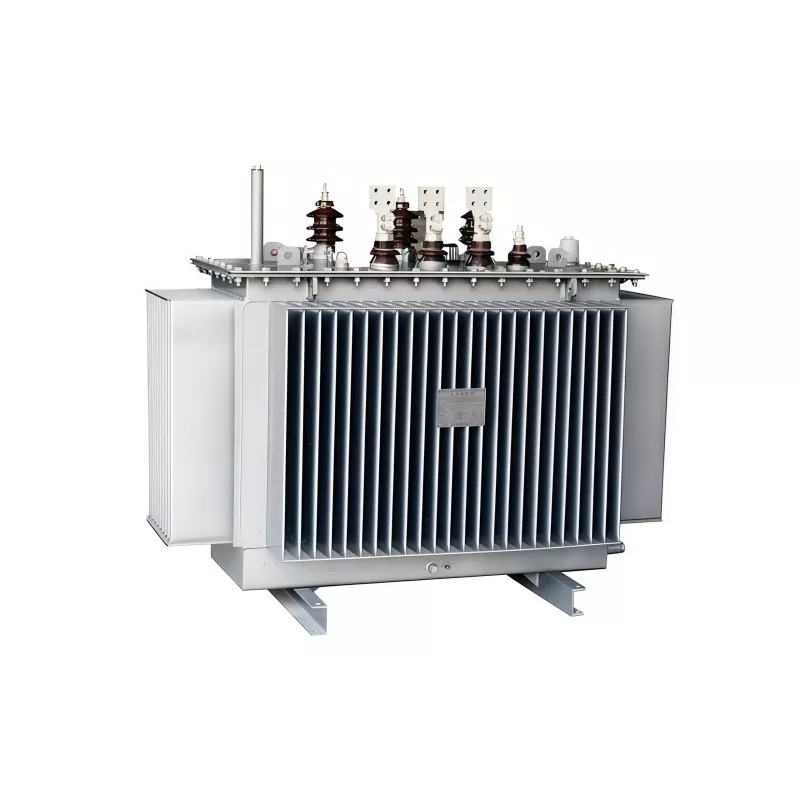
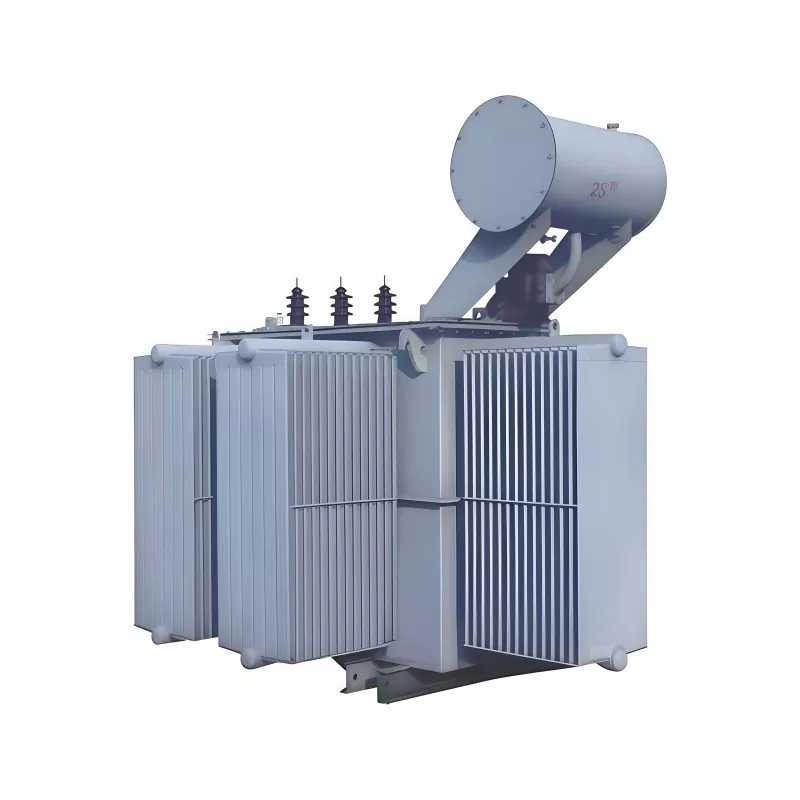
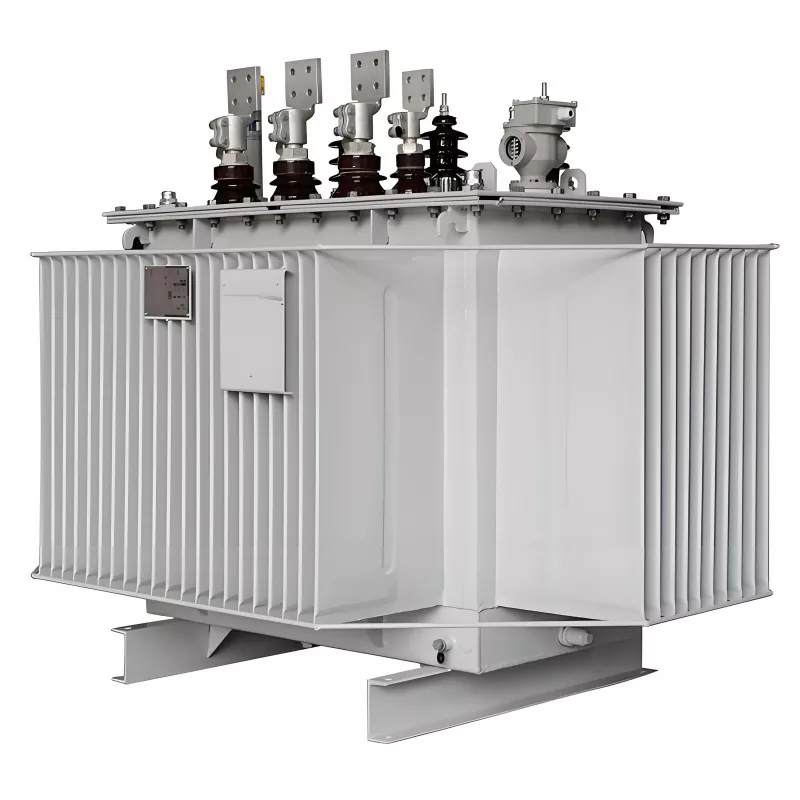
A 75KVA Pole-Mounted Transformer is a distribution transformer intended to reduce medium-voltage electricity to a lower voltage suitable for end users. Unlike a large substation transformer installed on a foundation, a pole-mounted unit is positioned on a utility pole or suitable overhead distribution structure. This arrangement places the transformer close to the electrical load while minimizing land requirements.
The term 75KVA describes the transformer's apparent power rating. KVA, or kilovolt-amperes, represents the combination of voltage and current that the transformer is designed to handle. It should not be interpreted as a recommendation to operate the unit continuously at its maximum rating under every condition.
In practical distribution planning, engineers normally consider expected demand, load diversity, future expansion, ambient temperature, harmonics, and operating conditions before determining whether 75KVA provides sufficient capacity. Proper load assessment is essential because both persistent overloading and unnecessary oversizing can increase lifecycle costs.
Guangbian produces 75KVA Pole-Mounted Transformer solutions for different distribution requirements, including customized voltage configurations for international markets. The product is designed for outdoor power distribution and can be adapted according to the electrical system and project specifications.
How a 75KVA Pole-Mounted Transformer Works
The operating principle is based on electromagnetic induction. Electrical energy enters the transformer's primary winding at a higher distribution voltage. The alternating current produces a changing magnetic flux inside the transformer core. This magnetic flux induces voltage in the secondary winding.
The ratio between the primary and secondary windings determines the voltage transformation ratio. If the primary voltage is significantly higher than the secondary voltage, the transformer reduces voltage while increasing the available current according to the power relationship and normal transformer losses.
A simplified operating sequence can be understood as follows:
- Medium-voltage electricity enters the primary winding.
- Alternating current establishes magnetic flux in the core.
- The magnetic flux induces voltage in the secondary winding.
- The secondary winding delivers lower-voltage electrical power.
- Transformer oil transfers heat away from the active components.
- Protective and monitoring components help support safe operation.
Because the transformer is installed outdoors, its enclosure, insulation system, sealing, corrosion resistance, and weather protection are important parts of long-term performance. A technically correct electrical design still requires suitable mechanical and environmental protection.
Capacity and Phase Configuration
Capacity is one of the first specifications buyers should verify, but it should always be evaluated together with phase configuration. A single-phase 75KVA transformer is suited to certain residential, lighting, and small commercial distribution systems, while three-phase equipment is normally selected when the network requires three-phase loads or industrial power.
| Parameter | Why It Matters | What to Check |
|---|---|---|
| Rated Capacity | Determines the apparent power the transformer can supply. | 75KVA rating and actual project demand. |
| Phase | Must match the distribution system and connected loads. | Single-phase or three-phase requirement. |
| Primary Voltage | Determines compatibility with the incoming utility network. | Grid voltage and connection arrangement. |
| Secondary Voltage | Determines compatibility with downstream consumers. | Required utilization voltage. |
| Impedance | Influences voltage regulation and fault-current behavior. | Project protection and system requirements. |
One important mistake is assuming that every 75KVA transformer has identical electrical characteristics. The KVA rating only identifies capacity. Voltage, phase, frequency, connection configuration, impedance, insulation level, and applicable standards must also be specified.
Primary and Secondary Voltage Selection
Voltage compatibility is critical when purchasing a pole-mounted transformer. For example, a configuration designed for one utility voltage cannot simply be connected to another network without confirming that its insulation system, winding arrangement, accessories, and ratings are appropriate.
A representative Guangbian 75KVA configuration uses a primary voltage arrangement of 4160 Grd Y / 2400V and a secondary output of 120/240V. Such values are application-specific and should not be treated as universal specifications for every 75KVA transformer.
Tap positions can also be important when the incoming voltage varies. A properly selected tap configuration allows engineers to compensate for certain supply-voltage conditions while maintaining a suitable secondary voltage. The exact tap range should always be confirmed against the project specification before ordering.
Procurement Tip: Never order a 75KVA Pole-Mounted Transformer based on capacity alone. Provide the manufacturer with the primary voltage, secondary voltage, phase, frequency, connection arrangement, insulation requirements, installation environment, and applicable technical standard.
Core, Windings, Insulation, and Cooling
Transformer efficiency and service life depend heavily on the active materials and manufacturing quality. The core provides the magnetic path, while the windings transfer electrical energy between the high-voltage and low-voltage sides.
Guangbian's referenced 75KVA configuration uses copper windings and grain-oriented silicon steel for the core. Copper has high electrical conductivity and is widely used where efficient current transfer and thermal performance are important. Grain-oriented electrical steel helps reduce magnetic losses when properly processed and assembled.
The unit uses an oil-immersed design with ONAN cooling, meaning Oil Natural, Air Natural. Transformer oil circulates naturally as it absorbs heat from the core and windings. Heat is then transferred through the tank surface to the surrounding air. The absence of forced pumps or fans can simplify the cooling system and reduce the number of auxiliary components.
However, oil-immersed equipment requires careful attention to tank integrity, sealing, bushings, oil condition, and environmental protection. Regular inspection helps identify leakage, corrosion, overheating, or deteriorating connections before these problems become major failures.
Important Performance Parameters
A transformer datasheet contains several values that directly affect operating performance. Understanding these figures helps purchasing teams compare products more accurately instead of focusing only on the purchase price.
| Specification | Representative Value | Practical Significance |
|---|---|---|
| Rated Capacity | 75KVA | Defines the transformer's apparent power rating. |
| No-Load Loss | ≤225W | Represents core-related energy consumption while energized without load. |
| Load Loss | ≤750W | Represents winding and related losses under specified load conditions. |
| Impedance | ≤2.5% | Affects voltage regulation and short-circuit calculations. |
| Excitation Current | ≤2.5% | Indicates the current required to establish core magnetization. |
Lower losses can contribute to better lifecycle efficiency, particularly for transformers that remain energized for long periods. This is why no-load loss deserves attention even when the connected load varies significantly throughout the day.
Impedance is equally important for system design. It influences voltage drop under load and the current available during faults. Protection engineers should therefore use the manufacturer's verified impedance value when coordinating upstream and downstream protection equipment.
Where a 75KVA Pole-Mounted Transformer Is Used
A 75KVA capacity can fit a broad range of smaller distribution requirements. Its compact overhead installation makes it particularly useful where land availability, installation cost, and proximity to the load are important considerations.
- Residential communities: supplying lower-voltage electricity to groups of homes where the calculated demand is appropriate.
- Rural electrification: supporting electricity access in areas where overhead distribution remains practical.
- Street and area lighting: providing local low-voltage distribution for lighting networks.
- Small commercial facilities: serving shops, offices, service buildings, and other moderate electrical loads.
- Schools and public facilities: providing localized distribution where the load profile matches the transformer's capacity.
- Small industrial applications: supporting suitable auxiliary or low-demand industrial loads.
- Infrastructure projects: providing localized power transformation for selected public and utility projects.
The most suitable application depends on the actual load calculation. A transformer should not be selected simply because 75KVA appears close to the expected consumption. Starting currents, motor loads, seasonal demand, power factor, future expansion, and load diversity should all be considered.
How to Select the Right Transformer
Choosing the correct 75KVA Pole-Mounted Transformer starts with defining the complete electrical environment. The following checklist can help buyers avoid costly specification mismatches.
- Calculate the expected load. Determine normal demand, peak demand, motor starting requirements, and potential future expansion.
- Confirm the primary voltage. Match the transformer to the utility distribution network.
- Confirm the secondary voltage. Make sure the output matches the connected equipment and local electrical system.
- Choose the correct phase configuration. Single-phase and three-phase systems have different application requirements.
- Check frequency. Verify that the transformer is designed for the network frequency.
- Review impedance. Confirm compatibility with fault-current calculations and protection coordination.
- Review insulation requirements. Consider the system voltage and environmental conditions.
- Consider the installation environment. Temperature, humidity, altitude, wind, salt exposure, dust, and corrosion can influence design requirements.
- Check applicable standards. Ensure the transformer documentation and testing meet the requirements of the destination market.
- Discuss customization before production. A manufacturer should confirm technical parameters rather than relying on assumptions.
Avoid this common purchasing mistake: Comparing two 75KVA transformers only by price. Two units can share the same capacity while differing substantially in voltage configuration, losses, materials, accessories, testing, standards, and environmental suitability.
Installation and Maintenance Considerations
Correct installation is essential for reliable transformer operation. Pole-mounted equipment must be supported by a suitable structure capable of handling the mechanical weight and environmental forces. Electrical clearances, grounding, conductor connections, protective devices, and access for maintenance must also be considered according to the applicable local requirements.
Before energization, technicians should verify the nameplate information, connections, grounding, insulation condition, mechanical fasteners, bushings, and protective components. Testing procedures should follow the project specification and applicable standards.
After commissioning, routine inspections can help detect developing problems. Maintenance personnel should pay particular attention to:
- Oil leakage or unusual oil level changes
- Corrosion on the tank, fittings, or mounting hardware
- Damaged or contaminated bushings
- Loose electrical connections
- Abnormal temperature rise
- Unusual noise or vibration
- Signs of overheating or discoloration
- Condition of grounding connections
- Damage caused by severe weather or external impact
Oil-immersed transformers require particular attention to leakage control. A small leak should not simply be ignored because it can indicate deterioration of a seal, bushing, weld, gasket, or tank component. Prompt investigation can reduce the risk of equipment damage, service interruption, and environmental problems.
How Guangbian Supports Transformer Projects
Manufacturing consistency is especially important for distribution transformers because small deviations in winding, core assembly, insulation, sealing, or testing can affect long-term field performance. Guangbian follows a multi-stage production process for its 75KVA Pole-Mounted Transformer solutions.
The manufacturing workflow includes core processing, winding production, tank fabrication and welding, vacuum drying, assembly, oil filling and sealing, electrical testing, final inspection, and packaging. Each stage addresses a different aspect of transformer reliability.
| Production Stage | Primary Objective |
|---|---|
| Core Cutting and Stacking | Build an accurate magnetic core while controlling core-related losses. |
| Coil Winding | Create windings with controlled electrical and mechanical characteristics. |
| Tank Fabrication | Provide a strong and sealed enclosure for the active assembly and insulating oil. |
| Vacuum Drying | Reduce moisture before final assembly and oil filling. |
| Assembly and Oil Filling | Complete the electrical and mechanical structure and establish the insulating medium. |
| Electrical Testing | Verify key electrical characteristics before shipment. |
| Final Inspection | Check the completed transformer against production and project requirements. |
Guangbian also provides customized transformer solutions for different markets and distribution systems. For projects requiring specific voltage configurations, phase arrangements, standards, accessories, or documentation, technical requirements should be confirmed before production begins.
Frequently Asked Questions
What does 75KVA mean on a transformer?
75KVA is the transformer's apparent power rating. It describes the electrical capacity of the transformer rather than the amount of energy it will always consume. Actual operating load depends on the connected equipment, power factor, load profile, and system conditions.
Is a 75KVA transformer suitable for residential power distribution?
It can be suitable for residential distribution when the calculated demand is compatible with the transformer's capacity and electrical configuration. Engineers should consider the number of consumers, peak demand, diversity, motor loads, heating and cooling equipment, and potential future growth.
What secondary voltage can a 75KVA Pole-Mounted Transformer provide?
The secondary voltage is not determined by the 75KVA rating alone. It must be specified according to the destination electrical system. A representative Guangbian configuration provides 120/240V secondary output, but other voltage configurations may be required for different markets.
Why is copper used for transformer windings?
Copper provides high electrical conductivity and good thermal performance. These properties make it a widely used winding material for distribution transformers where reliable current transfer and efficient operation are important.
What is ONAN cooling?
ONAN means Oil Natural, Air Natural. Transformer oil circulates naturally as it absorbs heat from the core and windings, while heat is transferred from the transformer tank to the surrounding air without forced pumps or fans.
What should be checked before purchasing a 75KVA transformer?
Buyers should confirm rated capacity, phase, primary voltage, secondary voltage, frequency, impedance, insulation requirements, cooling method, installation environment, applicable standards, accessories, testing requirements, and delivery documentation.
Can Guangbian customize a 75KVA Pole-Mounted Transformer?
Guangbian can provide customized transformer solutions based on project requirements. Customers should provide detailed electrical specifications and destination-market requirements so the engineering team can determine the appropriate configuration.
How can the service life of a pole-mounted transformer be improved?
Appropriate sizing, correct installation, suitable protection, proper loading, regular inspection, effective grounding, and prompt attention to abnormal temperature, noise, oil leakage, or electrical conditions can all contribute to dependable long-term operation.
Conclusion
A 75KVA Pole-Mounted Transformer can be an effective solution for localized medium-voltage to low-voltage power distribution when its electrical and mechanical specifications are correctly matched to the project. Its overhead installation can reduce land requirements, while an oil-immersed ONAN cooling system provides a straightforward approach to heat management for outdoor applications.
However, capacity alone should never determine the purchasing decision. Primary and secondary voltage, phase configuration, frequency, impedance, losses, insulation, environmental conditions, installation structure, protection, and applicable standards all influence whether a transformer will perform reliably in the field.
Guangbian combines transformer manufacturing experience with customized product solutions for different distribution networks and international applications. From core and winding production to tank fabrication, drying, oil filling, electrical testing, and final inspection, each stage contributes to the reliability of the finished transformer.
Looking for a Reliable 75KVA Pole-Mounted Transformer?
Whether you are planning a residential distribution project, rural electrification program, commercial power network, public infrastructure project, or another outdoor distribution application, selecting the correct transformer configuration is essential. Guangbian can help evaluate your voltage, capacity, phase, environmental, and project-specific requirements.
Contact Guangbian today to discuss your 75KVA Pole-Mounted Transformer requirements, request technical specifications, obtain a customized quotation, and find a practical transformer solution for your power distribution project. Please contact us for professional technical support and project assistance.
Related News
- How Can a 50KVA Dry Type Isolation Transformer with MCCB Improve Electrical Safety and Power Reliability
- Why Is a 50KVA Dry Type Isolation Transformer with MCCB a Smarter Choice for Reliable Power Protection
- How Can a 37.5KVA Pole-Mounted Transformer Improve Reliable Power Distribution
- How Can a 150KVA Dry Type Isolation Transformer Improve Safe and Flexible Power Distribution
- Why Is a 37.5KVA Pole-Mounted Transformer a Smart Choice for Reliable Overhead Power Distribution
- How Can a 167KVA Pole-Mounted Transformer Deliver More Reliable and Cost-Effective Power Distribution
Leave me a message