English
- English
- Español
- Português
- русский
- Français
- 日本語
- Deutsch
- tiếng Việt
- Italiano
- Nederlands
- ภาษาไทย
- Polski
- 한국어
- Svenska
- magyar
- Malay
- বাংলা ভাষার
- Dansk
- Suomi
- हिन्दी
- Pilipino
- Türkçe
- Gaeilge
- العربية
- Indonesia
- Norsk
- تمل
- český
- ελληνικά
- український
- Javanese
- فارسی
- தமிழ்
- తెలుగు
- नेपाली
- Burmese
- български
- ລາວ
- Latine
- Қазақша
- Euskal
- Azərbaycan
- Slovenský jazyk
- Македонски
- Lietuvos
- Eesti Keel
- Română
- Slovenski
- मराठी
- Srpski језик

How Does a Pole Mounted Transformer Improve Power Distribution Efficiency?
Article Summary
A reliable power distribution system is essential for residential areas, commercial facilities, agricultural applications, and industrial projects. A pole mounted transformer plays a critical role by reducing high-voltage electricity from distribution lines into a safer voltage level suitable for end users. However, choosing the right transformer solution involves challenges such as installation limitations, energy efficiency requirements, maintenance costs, safety concerns, and long-term reliability.
This article explains how a pole mounted transformer works, why it is widely used in modern electrical networks, what problems it can solve, and how businesses can select the right transformer equipment. With professional manufacturing experience and customized power solutions, GUANGBIAN provides dependable transformer products designed to support stable electricity distribution worldwide.
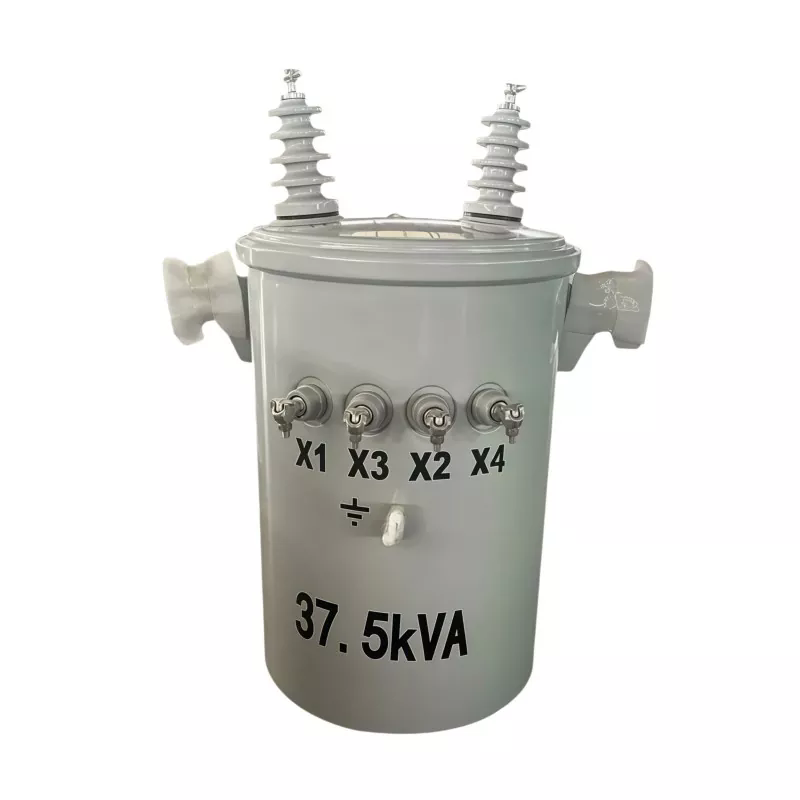
Table of Contents
- 1. What Is a Pole Mounted Transformer?
- 2. How Does a Pole Mounted Transformer Work?
- 3. Why Choose Pole Mounted Transformers for Power Distribution?
- 4. What Customer Problems Can Pole Mounted Transformers Solve?
- 5. Where Are Pole Mounted Transformers Commonly Used?
- 6. How to Select the Right Pole Mounted Transformer?
- 7. Maintenance Tips for Long-Term Transformer Performance
- 8. Frequently Asked Questions About Pole Mounted Transformers
1. What Is a Pole Mounted Transformer?
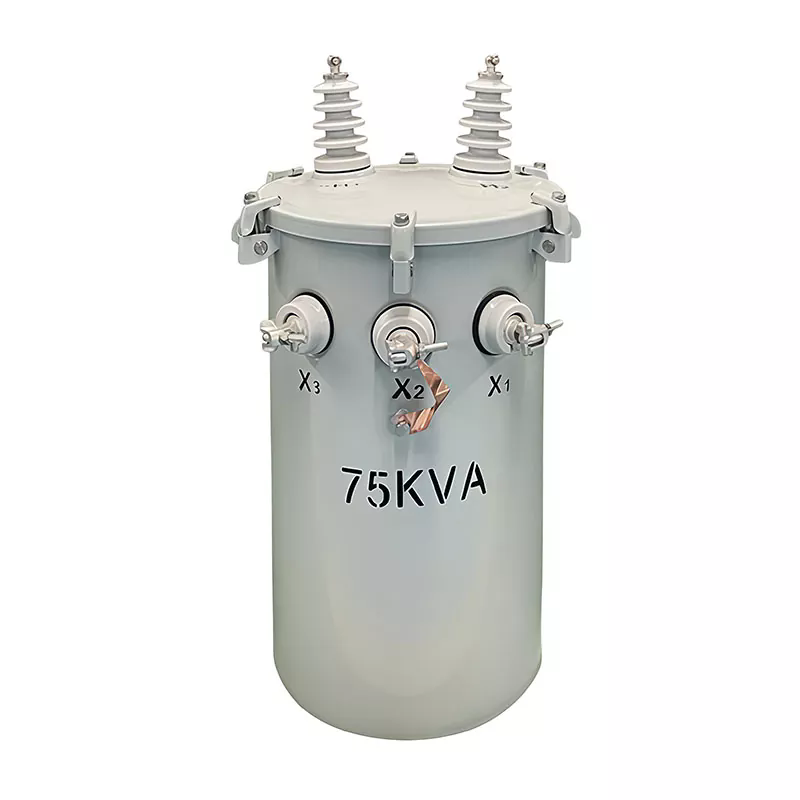
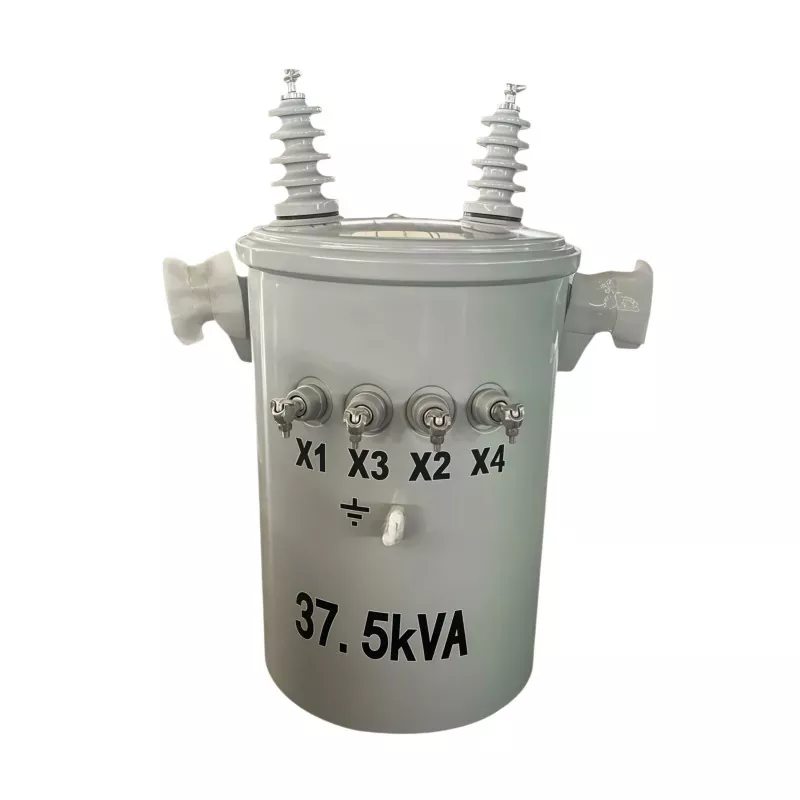
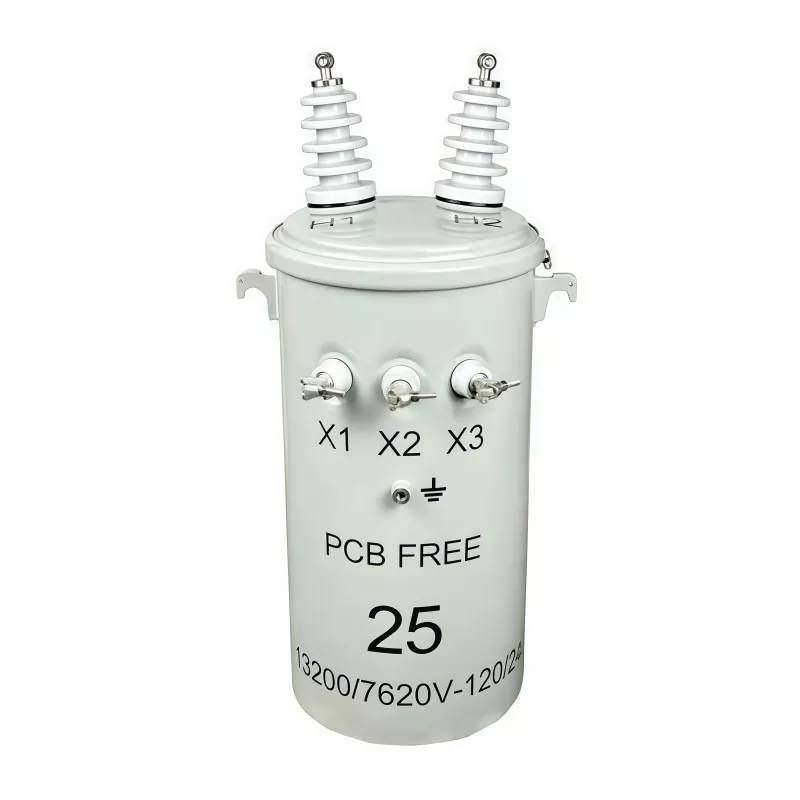
A pole mounted transformer is an electrical transformer installed on utility poles to convert high-voltage electricity from distribution networks into lower voltage electricity that can be safely used by homes, businesses, and small industrial facilities.
These transformers are designed with a compact structure and outdoor installation capability, making them ideal for overhead power distribution systems where space availability and installation efficiency are important considerations.
Unlike large substation transformers, pole mounted transformers are positioned closer to electricity consumers. This reduces transmission distance, improves voltage stability, and helps create a more efficient power supply network.
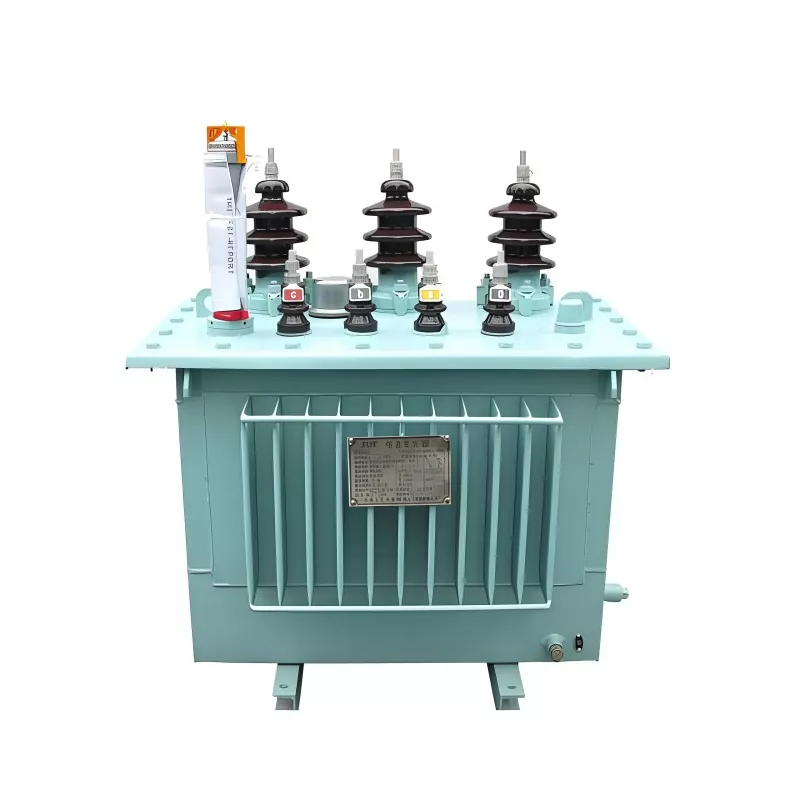
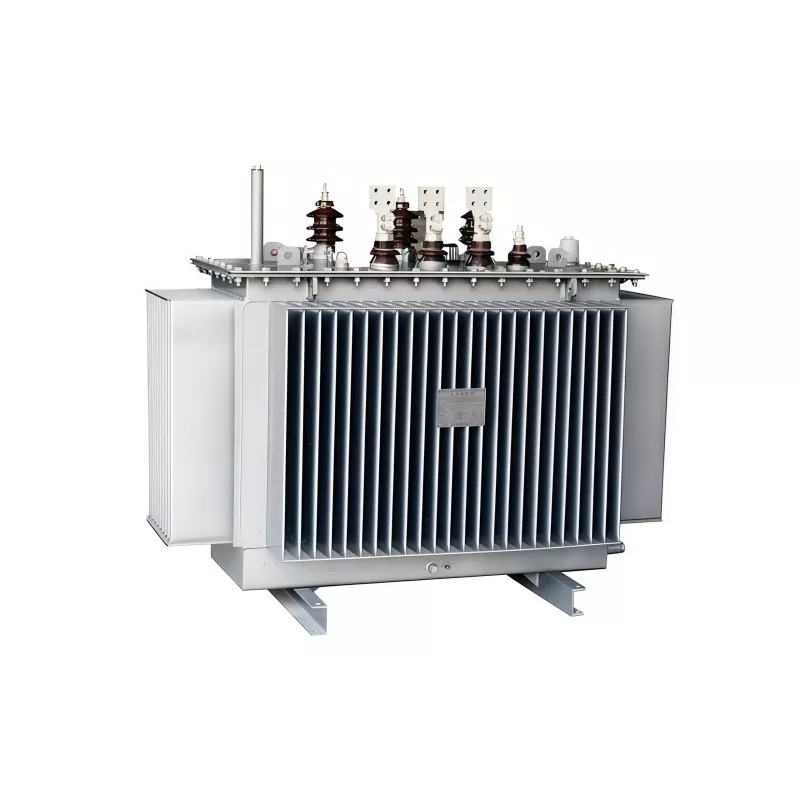
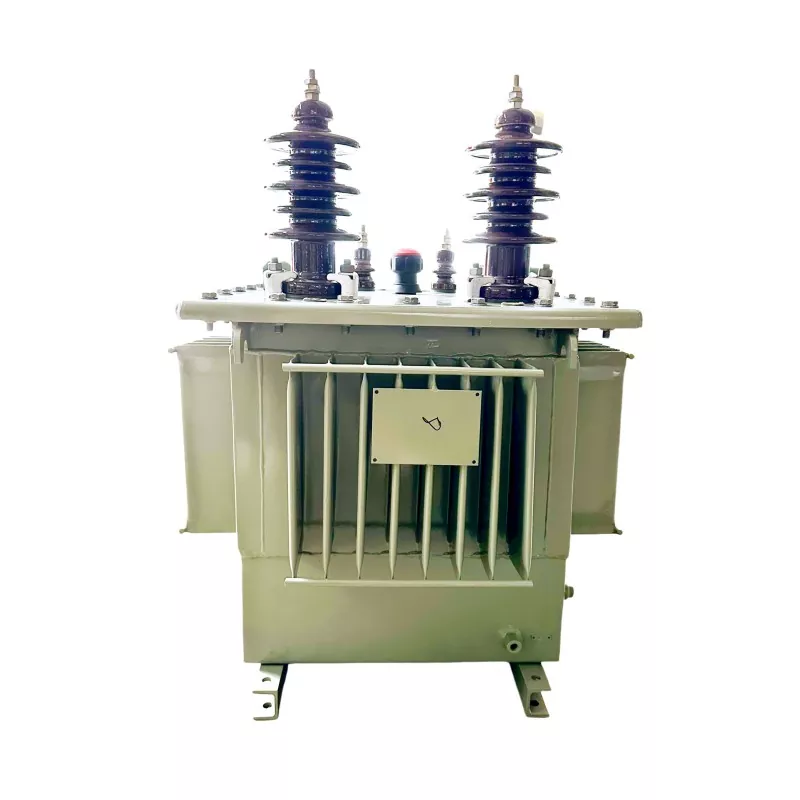
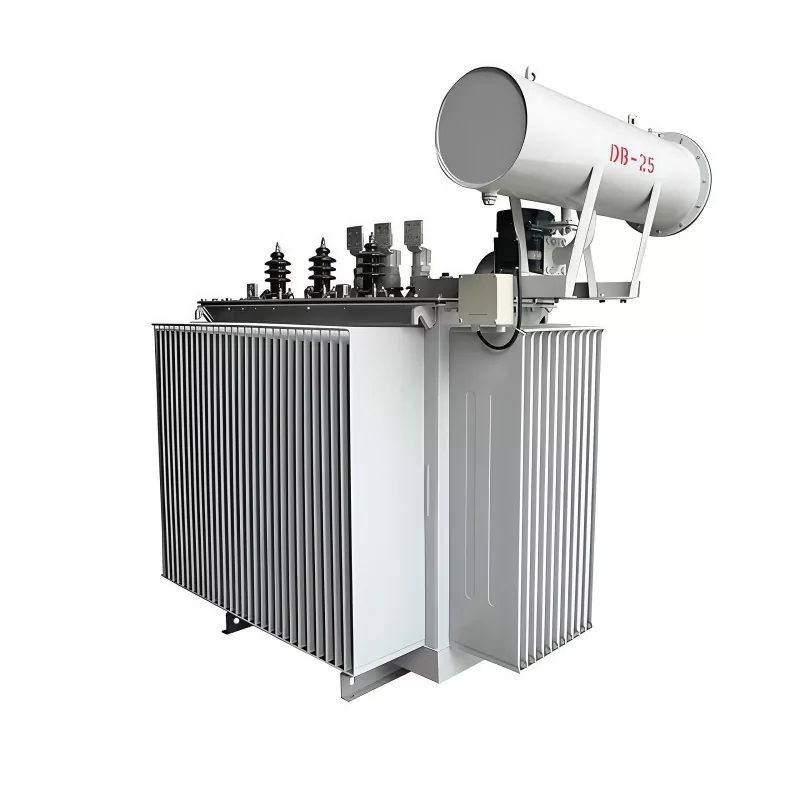
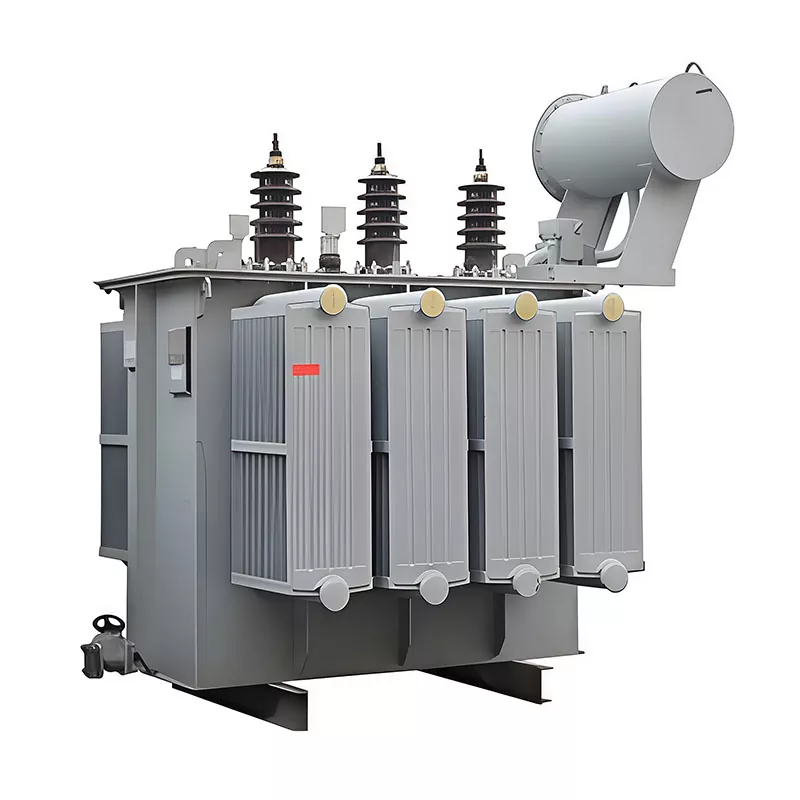
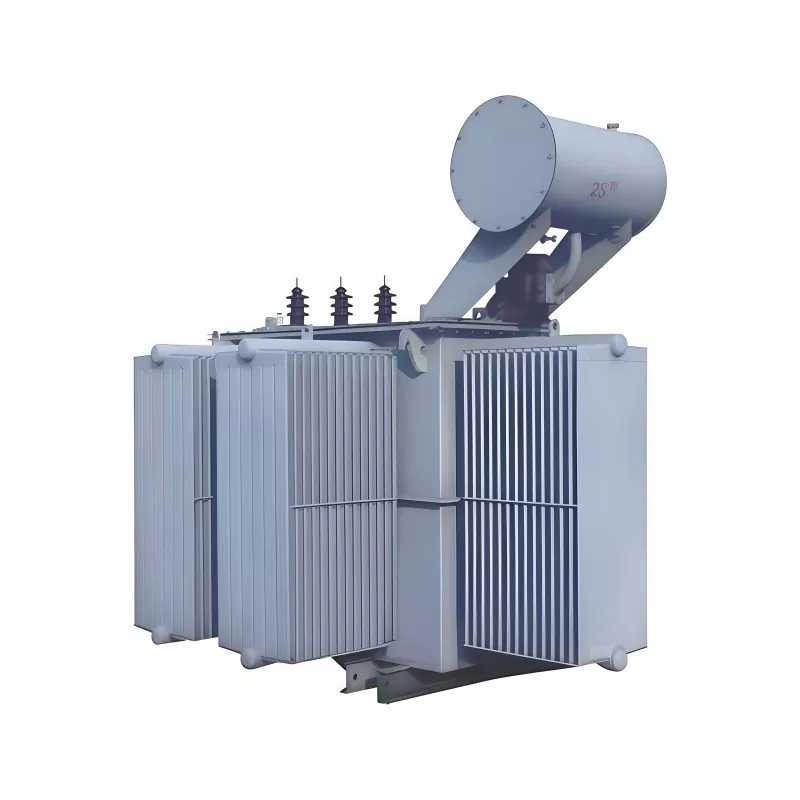
Modern pole mounted transformers usually include a transformer tank, high-voltage bushings, low-voltage terminals, protective devices, insulation systems, and cooling structures. Depending on project requirements, they can be customized according to voltage ratings, capacity, environmental conditions, and application needs.
2. How Does a Pole Mounted Transformer Work?
The basic operating principle of a pole mounted transformer is based on electromagnetic induction. When alternating current passes through the primary winding, it generates a magnetic field inside the transformer core. This magnetic field transfers electrical energy to the secondary winding and changes the voltage level.
The working process can be explained through several key steps:
- High-voltage input: Electricity from distribution lines enters the transformer through high-voltage terminals.
- Voltage conversion: The transformer changes the voltage level according to the designed ratio between primary and secondary windings.
- Energy transmission: The converted electricity is delivered through low-voltage terminals to consumers.
- Protection operation: Safety components help prevent damage caused by overloads, short circuits, or abnormal conditions.
Because pole mounted transformers operate outdoors, their design must consider weather resistance, temperature changes, humidity, dust, and other environmental factors. A well-designed transformer ensures continuous operation even under challenging conditions.
3. Why Choose Pole Mounted Transformers for Power Distribution?
Power distribution projects often require equipment that balances reliability, cost efficiency, installation convenience, and operational safety. Pole mounted transformers offer several advantages that make them a preferred choice for many electrical networks.
- Space-saving installation: Mounted on utility poles, these transformers minimize land requirements and are suitable for areas where ground space is limited.
- Efficient power delivery: Installing transformers closer to users reduces voltage losses and improves electricity quality.
- Lower installation costs: Compared with large ground-mounted systems, pole-mounted designs generally require less infrastructure.
- Reliable outdoor performance: Proper insulation and protective structures allow stable operation in different climates.
- Easy integration: They can be connected with existing overhead distribution systems without major network modifications.
For utility companies and project contractors, these advantages help reduce total ownership costs while maintaining dependable electricity supply.
4. What Customer Problems Can Pole Mounted Transformers Solve?
Many power distribution challenges are related to unstable voltage, limited installation space, high maintenance expenses, and increasing electricity demand. Pole mounted transformers provide practical solutions for these common problems.
-
Problem: Unstable voltage supply
Solution: A properly selected transformer regulates voltage conversion and helps provide consistent power quality. -
Problem: Limited installation locations
Solution: Pole installation allows power equipment to be deployed in areas where ground-based facilities are difficult to build. -
Problem: High infrastructure investment
Solution: Compact design reduces construction requirements and lowers project expenses. -
Problem: Difficult maintenance access
Solution: Modern transformer structures are designed for inspection convenience and long service life. -
Problem: Expanding electricity demand
Solution: Different transformer capacities can be selected to support residential, commercial, and industrial growth.
5. Where Are Pole Mounted Transformers Commonly Used?
Pole mounted transformers are widely applied in various power distribution scenarios because of their flexible installation characteristics.
- Residential communities and housing developments
- Rural electrification projects
- Agricultural irrigation systems
- Commercial buildings and small businesses
- Industrial facilities requiring distributed power supply
- Remote areas with overhead distribution networks
In regions where reliable electricity access is essential but infrastructure conditions are complex, pole mounted transformers provide an efficient and practical power solution.
6. How to Select the Right Pole Mounted Transformer?
Choosing a suitable pole mounted transformer requires careful evaluation of electrical requirements, environmental conditions, and future expansion plans. Incorrect selection may lead to inefficient operation, increased losses, or unnecessary maintenance costs.
Important factors include:
- Rated capacity: Select transformer capacity according to current load requirements and future demand growth.
- Voltage level: Ensure compatibility with the existing power distribution system.
- Installation environment: Consider climate conditions, altitude, humidity, and pollution levels.
- Energy efficiency: Choose transformer designs that reduce power losses during operation.
- Safety features: Verify protection systems and insulation performance.
- Manufacturer capability: Work with experienced suppliers that provide quality control and technical support.
GUANGBIAN focuses on providing reliable transformer solutions with professional manufacturing processes and customized options to meet different market requirements.
7. Maintenance Tips for Long-Term Transformer Performance
Although pole mounted transformers are designed for long-term outdoor operation, regular maintenance is important for improving reliability and extending service life.
- Regularly inspect transformer appearance for corrosion, damage, or leakage.
- Check electrical connections to ensure stable operation.
- Monitor abnormal temperature increases during operation.
- Keep surrounding areas clear to maintain safe installation conditions.
- Perform professional testing according to operational requirements.
Preventive maintenance helps identify potential problems before failures occur, reducing unexpected downtime and improving overall power system reliability.
8. Frequently Asked Questions About Pole Mounted Transformers
Q1: What is the main function of a pole mounted transformer?
The main function of a pole mounted transformer is to reduce distribution voltage to a lower level suitable for residential, commercial, and industrial electricity use.
Q2: How long can a pole mounted transformer operate?
With proper design, installation, and maintenance, a high-quality pole mounted transformer can provide reliable service for many years while maintaining stable electrical performance.
Q3: Are pole mounted transformers suitable for outdoor environments?
Yes. Pole mounted transformers are specifically designed for outdoor applications and include protective structures to withstand different weather conditions.
Q4: What factors affect transformer efficiency?
Transformer efficiency is influenced by design quality, core materials, winding technology, load conditions, and maintenance practices.
Q5: Why should customers choose GUANGBIAN for pole mounted transformer solutions?
GUANGBIAN provides professional transformer manufacturing capabilities, reliable product performance, and customized solutions designed to meet different power distribution requirements.
Conclusion
A pole mounted transformer is an essential component in modern electrical distribution systems. By providing efficient voltage conversion, flexible installation, and reliable outdoor performance, it helps solve many challenges faced by power utilities, contractors, and end users.
Selecting the right transformer supplier is important for ensuring long-term operational stability. With advanced manufacturing experience and customer-focused solutions, GUANGBIAN delivers dependable pole mounted transformer products for global power distribution applications.
If you are looking for a reliable pole mounted transformer solution customized for your project requirements, please contact us today. GUANGBIAN is ready to provide professional support and high-quality transformer solutions to help build safer and more efficient power networks.
Related News
- How Can a 50KVA Dry Type Isolation Transformer with MCCB Improve Electrical Safety and Power Reliability
- Why Is a 50KVA Dry Type Isolation Transformer with MCCB a Smarter Choice for Reliable Power Protection
- How Can a 37.5KVA Pole-Mounted Transformer Improve Reliable Power Distribution
- How Can a 150KVA Dry Type Isolation Transformer Improve Safe and Flexible Power Distribution
- Why Is a 37.5KVA Pole-Mounted Transformer a Smart Choice for Reliable Overhead Power Distribution
- How Can a 167KVA Pole-Mounted Transformer Deliver More Reliable and Cost-Effective Power Distribution
Leave me a message